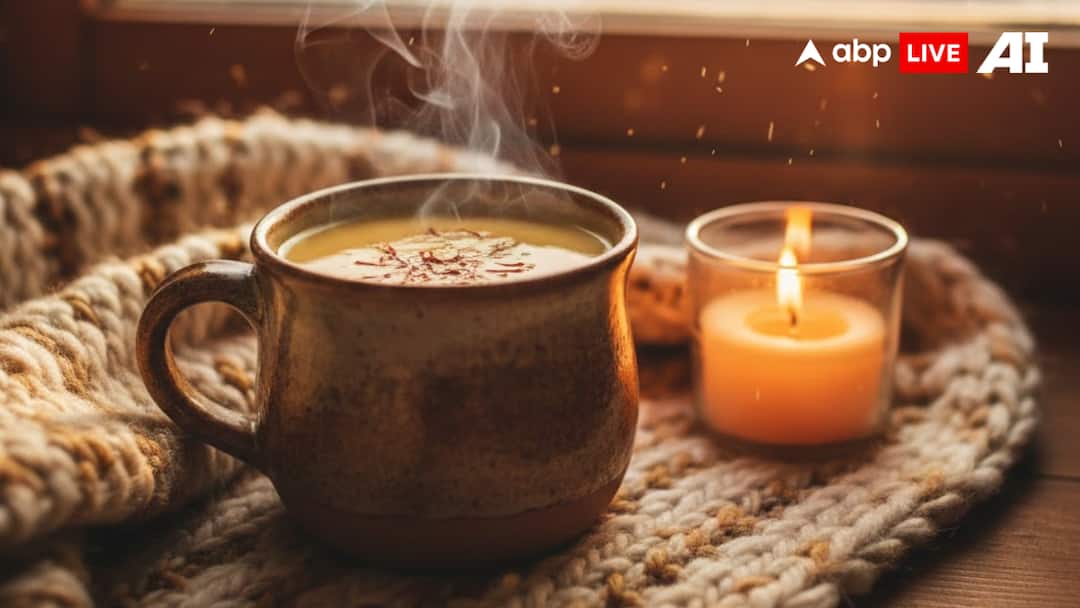

When winter sets in, the body naturally craves warmth, comfort, and deeper nourishment. One ancient spice that perfectly meets these needs is saffron, often called red gold. Beyond its luxurious aroma and flavour, saffron has been treasured for centuries in Ayurveda and traditional medicine for its profound healing properties. During colder months, when immunity weakens, digestion slows, and seasonal blues creep in, saffron becomes a powerful natural ally.
From strengthening immunity and improving circulation to uplifting mood and enhancing skin health, saffron works on multiple levels to keep the body balanced, warm and energised. Here are 8 remarkable winter health benefits of saffron that make this precious spice worth every strand.
ALSO READ: Sitting All Day? Mobility Training Is The Lifestyle Reset You Need In 2026
1. Boosts Immunity Against Winter Illness

Saffron strengthens the immune system, which is crucial during winter when colds, coughs and infections spread rapidly. Rich in antioxidants like crocin, crocetin and safranal, saffron protects immune cells from damage while improving their ability to fight pathogens. These compounds neutralise harmful free radicals, reducing inflammation and preventing seasonal illness. In winter, the body’s defence mechanisms slow down due to cold temperatures and limited sunlight. Saffron counters this by enhancing white blood cell activity and supporting overall immune response. This makes it an excellent daily winter supplement for children, adults and the elderly alike.
2. Keeps The Body Naturally Warm
One of saffron’s most valued winter benefits is its natural warming effect on the body. It stimulates blood circulation, helping distribute heat evenly throughout the system. This improves cold tolerance, reduces shivering and prevents cold-induced fatigue. Poor circulation is common in winter and leads to cold hands, feet and sluggish energy. Saffron counteracts this by expanding blood vessels and improving oxygen flow, creating internal warmth. This is especially beneficial for people with low blood pressure, anaemia or chronic cold sensitivity.
3. Uplifts Mood And Reduces Winter Blues

Short days and gloomy weather often trigger low mood, fatigue and seasonal depression. Saffron is one of the few natural substances scientifically proven to improve mood. It increases serotonin levels, the brain’s happiness chemical, helping stabilise emotions and reduce anxiety. During winter, when sunlight exposure drops and serotonin production declines, saffron acts as a natural antidepressant. It promotes mental clarity, emotional balance and calmness without causing drowsiness.
4. Improves Digestion
Cold weather weakens digestive fire, leading to bloating, gas, indigestion and poor appetite. Saffron stimulates digestive enzymes, enhances bile production and improves nutrient absorption. It soothes the stomach lining, prevents acid build-up and helps break down heavy winter meals efficiently. Its anti-inflammatory properties protect the gut from irritation and discomfort. When consumed after meals, saffron prevents sluggish digestion, reduces abdominal heaviness and promotes smoother bowel movements.
5. Enhances Heart Health

Winter increases the risk of heart issues due to thicker blood, higher cholesterol and restricted blood flow. Saffron supports cardiovascular health by improving circulation, lowering bad cholesterol and preventing plaque buildup in arteries. Its antioxidants reduce oxidative stress, protect heart tissues and regulate blood pressure. Saffron also improves oxygen delivery to heart muscles, strengthening endurance and reducing fatigue. This makes saffron particularly beneficial for people with heart conditions or those seeking preventive heart care during winter.
6. Promotes Radiant Winter Skin
Cold air strips moisture from the skin, causing dryness, dullness and irritation. Saffron nourishes the skin from within by boosting blood flow and supplying essential antioxidants that repair cellular damage. It brightens complexion, reduces pigmentation, prevents acne flare-ups and promotes collagen production. Saffron also protects the skin from environmental stressors like pollution and harsh winter winds. Regular intake gives the skin a healthy glow even during the driest months, making saffron a true beauty superfood.
7. Strengthens Memory

Saffron enhances cognitive function by improving blood circulation to the brain and protecting neurons from damage. Its compounds help sharpen memory, improve focus and prevent mental fatigue. In winter, when sluggishness and brain fog are common, saffron restores mental clarity and boosts productivity. Long-term use supports neurological health and may reduce the risk of age-related cognitive decline.
8. Improves Sleep Quality
Disrupted sleep is common in winter due to cold discomfort and hormonal changes. Saffron relaxes the nervous system, balances melatonin levels and promotes deep, restful sleep. A cup of saffron milk before bed soothes anxiety, calms racing thoughts and prepares the body for restorative rest. It also reduces nighttime awakenings and improves overall sleep cycles.
Check out below Health Tools-
Calculate The Age Through Age Calculator