- India rebutted Pakistan’s Kashmir remarks, calling it politicization.
- India reiterated Kashmir an internal matter, not for mediation.
- Envoy explained UN Charter’s distinct conflict resolution chapters.
- India urged periodic review of UN Security Council mandates.
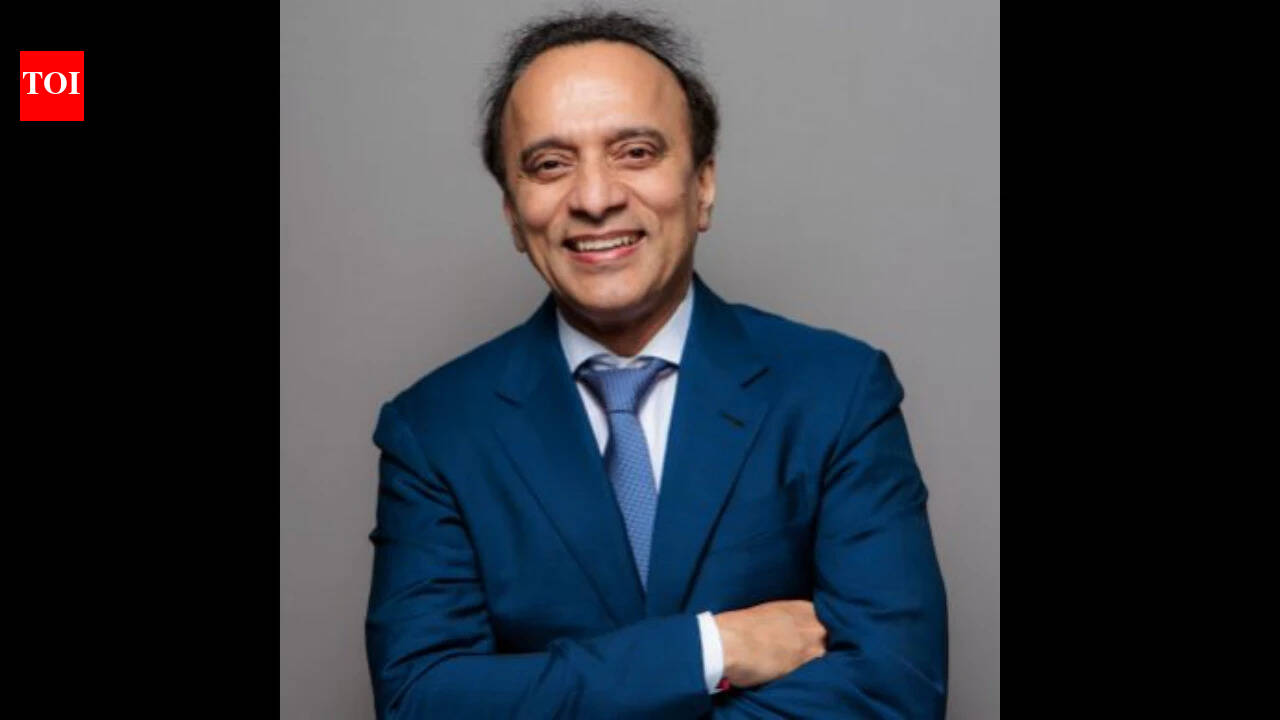
India delivered a strong rebuttal to Pakistan at the United Nations on Tuesday after Islamabad once again raised the issue of Jammu and Kashmir during a UN forum, prompting New Delhi to accuse its neighbour of politicising an international platform. The response came from India’s Permanent Representative to the United Nations, Ambassador Parvathaneni Harish, who criticised remarks made by Pakistan’s envoy, Asim Iftikhar Ahmad, during the proceedings. Harish said Pakistan’s intervention was inappropriate and questioned the neutrality expected in such discussions.
India Reiterates Stand On Kashmir
New Delhi used the opportunity to reaffirm its long-standing position that Jammu and Kashmir, along with Ladakh, are integral parts of India and not subjects for international mediation.
“I also refer to the unwarranted remarks made by the representative of Pakistan. It is incredible that a co-chair expected to be balanced and unbiased in conduct has chosen to politicize this forum. I would only like to stress for brevity of time that the Union territory of Jammu and Kashmir is a matter strictly internal to India, it has always been is and will remain so,” Harish said.
#WATCH | Permanent Representative of India to the UN in New York, Ambassador Parvathaneni Harish says, “I also refer to the unwarranted remarks made by the representative of Pakistan. It is incredible that a co-chair expected to be balanced and unbiased in conduct has chosen to… pic.twitter.com/yOaNiGIaQZ
— ANI (@ANI) June 24, 2026
ALSO READ: ‘You’re From F***ing India’: Indian Tourists Confront Bangladeshi Waiter In Italy Over Racist Slur
India has consistently opposed third-party involvement in matters relating to the region, maintaining that any issues concerning Jammu and Kashmir are internal affairs. The latest exchange at the UN reflects the continuing diplomatic friction between India and Pakistan over the issue.
Focus On UN Conflict Resolution Framework
Beyond responding to Pakistan, the Indian envoy also addressed the broader subject of conflict resolution under the United Nations Charter.
Harish outlined the distinction between Chapters VI and VII of the Charter, explaining that each serves a different purpose in maintaining international peace and security.
According to him, Chapter VII measures are intended for circumstances involving threats to peace, breaches of peace or acts of aggression. In contrast, Chapter VI provides peaceful mechanisms such as negotiation, mediation, conciliation, enquiry and arbitration to help resolve disputes before they escalate.
India argued that these tools must be applied in accordance with prevailing realities rather than treated as permanent solutions.
ALSO READ: ‘Remain Vigilant’: India Advises Against Non-Essential Travel To Iran Over Security Concerns
Calls For Review Of Existing Mandates
The Indian representative further noted that conflict-resolution mechanisms and mediation efforts should evolve as circumstances change over time.
Citing the Palestine issue as an example, Harish argued that international mediation frameworks are regularly reassessed and adapted to suit changing geopolitical conditions. He cautioned against assuming that any mediation arrangement established under Chapter VI remains valid indefinitely.
India also advocated periodic reviews of mandates issued by the UN Security Council, arguing that they should be examined in the same spirit as broader institutional reform efforts underway within the United Nations.
Harish pointed to the General Assembly’s UN80 initiative, which seeks to improve the efficiency and effectiveness of the global body, suggesting that similar reviews could help ensure Security Council mandates remain relevant and responsive to contemporary realities.