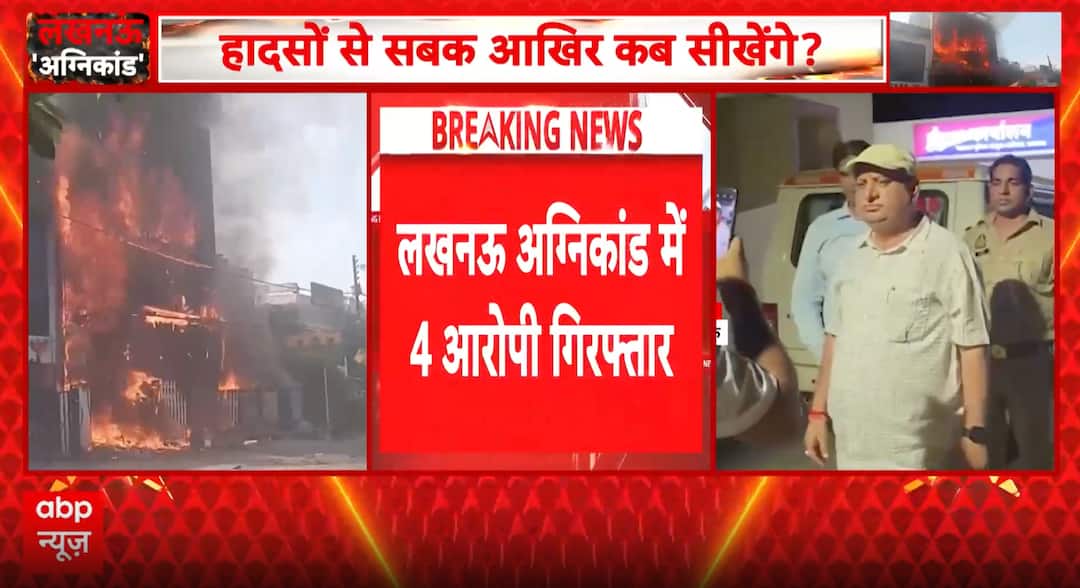
Fresh details emerging from the devastating Lucknow Aliganj fire tragedy have intensified questions over regulatory failures and long-standing administrative lapses. The building where 15 young people lost their lives reportedly stood in a predominantly residential neighborhood despite being used for multiple commercial activities, including a coaching center and a pet-related business. The incident has sparked widespread debate over whether warning signs were ignored for years before the tragedy unfolded. According to information now under scrutiny, action against the structure had reportedly been recommended years ago over alleged violations linked to its construction and usage. Investigators are examining whether enforcement measures were delayed or left incomplete, allowing commercial operations to continue in a building that has now become the focus of a major criminal and administrative investigation. The tragedy claimed the lives of several young students and professionals, many of whom were between 20 and 30 years old. Survivor accounts have highlighted the absence of adequate escape routes, while eyewitnesses described desperate attempts by occupants to flee through narrow passages and external cables as thick smoke engulfed the building. Authorities have already initiated multiple actions, including arrests, suspensions, and the formation of a Special Investigation Team (SIT). Investigators are also examining allegations related to fire safety compliance, building permissions, emergency preparedness, and structural modifications. As grieving families seek justice, the focus has shifted beyond the immediate cause of the fire to broader questions about enforcement, oversight, and accountability. The incident has renewed demands for a comprehensive review of potentially unsafe commercial establishments operating within residential areas to prevent similar tragedies from occurring in the future.
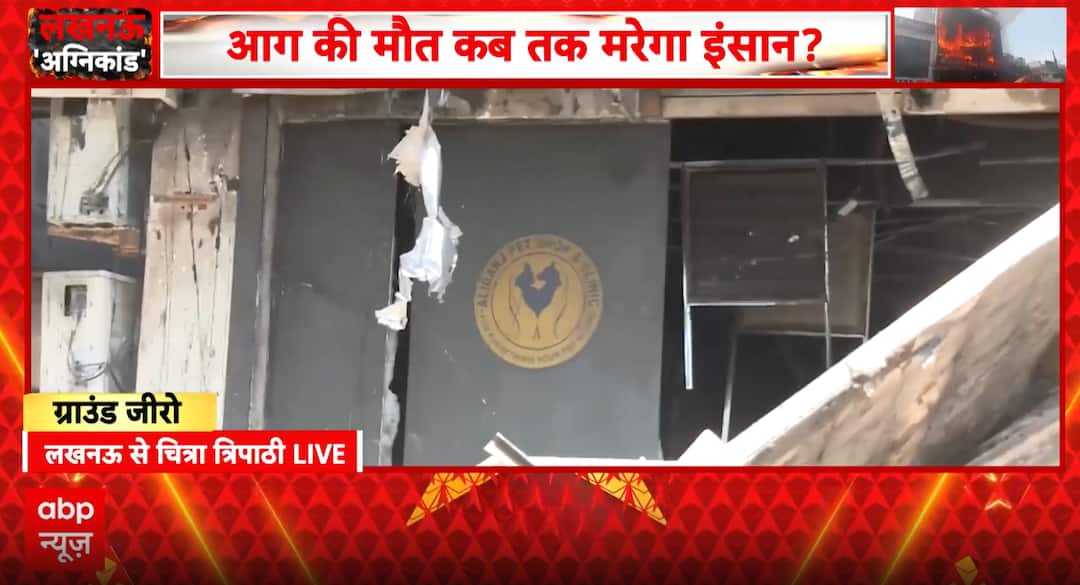
Lucknow Fire Tragedy: Demolition Order Ignored for Years as Questions Mount Over Accountability
Previous article
Next article