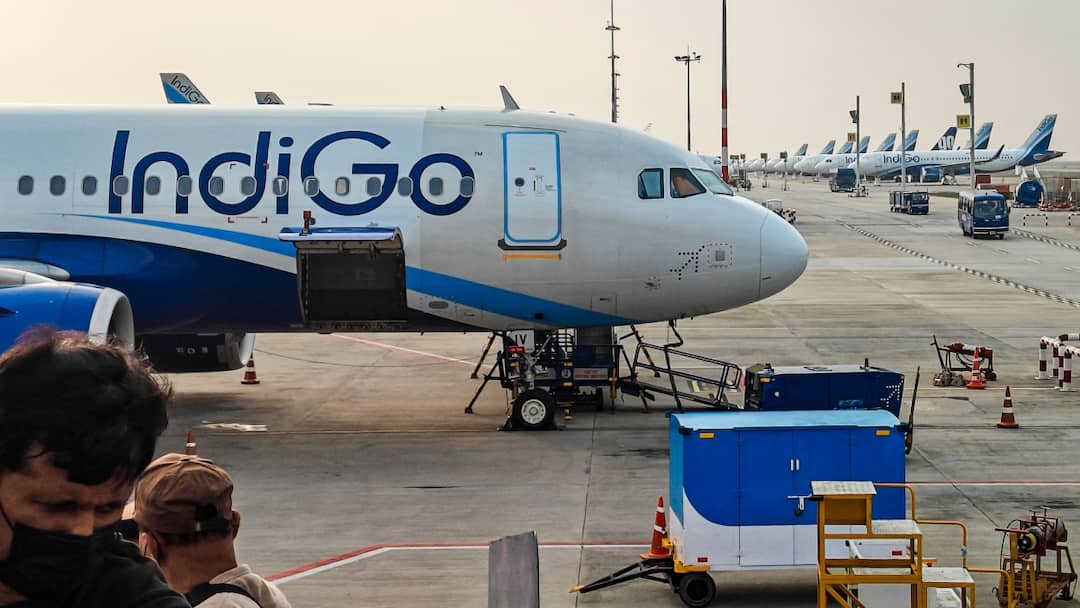

India’s biggest airline, IndiGo, has moved to contain the fallout from one of the worst operational breakdowns in its history, announcing that it will appoint external technical experts to examine the root cause behind last week’s mass-flight cancellations.
The chaos rocked airports nationwide, strained aviation capacity, and left thousands of passengers stranded.
What Triggered the Crisis?
IndiGo’s troubles began last week after the airline failed to plan effectively for tighter pilot fatigue management rules (FDTL). The ripple effect was immediate and severe: thousands of flights were cancelled nationwide, peaking on December 5, triggering long queues, missed connections, and frustration among travellers.
By Tuesday, the airline said operations had stabilised and returned to normal levels. But on Wednesday alone, around 220 flights were still cancelled across major airports, including Delhi and Mumbai, indicating that recovery remains uneven.
Chairman Vikram Singh Mehta described the episode as a “blemish” on IndiGo’s record, admitting openly: “We let the customers down.”
IndiGo’s Public Apology: What the Airline Is Promising
In a detailed statement on December 10, Mehta apologised “unconditionally” for the disruption and said IndiGo will conduct a full technical review, including appointing independent specialists, reported Moneycontrol.
He assured passengers, “We will examine every aspect of what went wrong, and we will learn from it… so that this level of disruption never occurs again.”
The airline’s leadership has also denied widely circulated claims that the crisis was engineered to pressure the government into tweaking aviation rules.
Mehta clarified:
- IndiGo did not attempt to bypass FDTL safety regulations.
- It operated under updated safety norms in July and November.
- There was no compromise on safety and no failure of Board oversight.
The Government Steps In: DGCA Oversight Begins
The operational breakdown has drawn sharp attention from the Directorate General of Civil Aviation (DGCA), which has launched heightened supervisory action.
Measures announced include the formation of a dedicated oversight team to monitor the situation, summoning IndiGo CEO Pieter Elbers to appear before the regulator on Thursday, and a requirement for IndiGo to submit a comprehensive report with all operational data related to cancellations.
The DGCA’s move signals that regulators are unwilling to leave investigations solely to the airline, especially when disruptions have affected passengers on a large scale.
A Closer Look at the Fatigue Rule Factor
While IndiGo insists it followed prescribed safety rules, the cancellations stemmed from its inability to recalibrate rosters under the new FDTL framework. The updated rules focus on protecting pilots from excessive working hours and fatigue, a long-standing safety concern globally.
The airline’s scheduling systems, training cycles, and reserve capacity appear to have been stretched thin, leading to cascading cancellations once the first cracks appeared.
Passenger Backlash and Public Scrutiny
The scale of the cancellations invited criticism from all quarters. Mehta acknowledged that some of it was justified, “The fair criticism is that the airline let you down. We owe answers to our customers, our government, our shareholders, and our employees.”
Social media was flooded with accounts of missed weddings and work commitments, hours-long customer care waits, and confusion over refunds and rebooking
The uproar has also reignited conversations about aviation resilience, concentrated market power, and the pressure on budget carriers to operate with razor-thin buffers.