
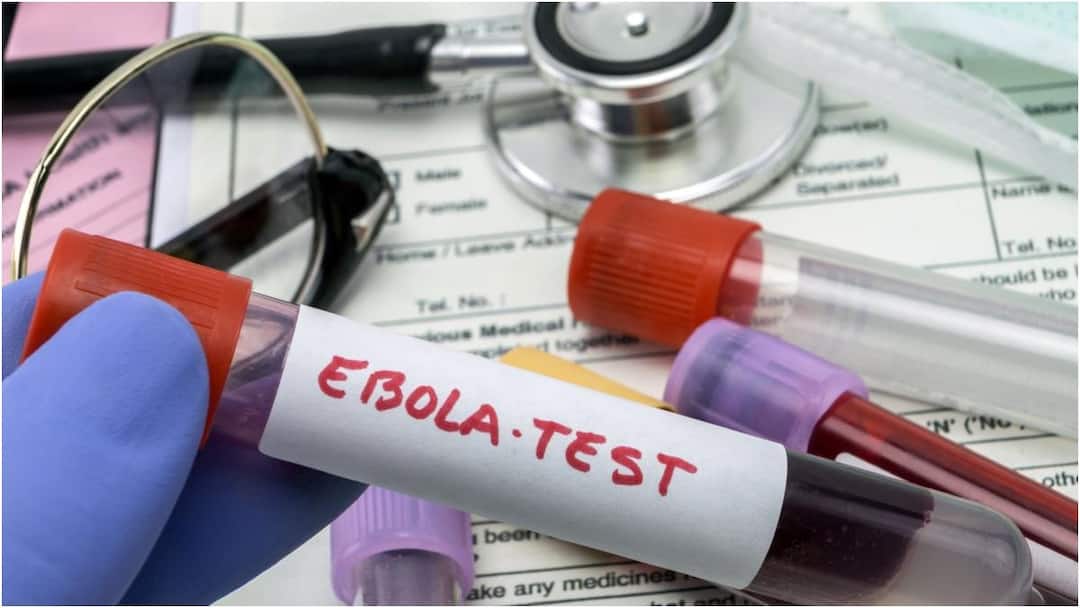

- India advises travelers from Ebola-affected nations to monitor health.
- No confirmed Ebola cases in India, vigilance urged by officials.
- Gujarat traveler’s suspected Ebola case tested negative for virus.
- International events postponed, including India-Africa Summit, due to concerns.
Amid heightened global concern over Ebola outbreaks in parts of Africa, the Ministry of Health and Family Welfare has issued a fresh advisory urging caution among travellers arriving from affected regions. Officials emphasized that no confirmed Ebola cases have been reported in India but called for increased vigilance to prevent any potential spread of the disease.
The advisory, released on Tuesday, outlines precautionary measures for individuals who have recently travelled from or passed through countries currently experiencing Ebola outbreaks.
Government Calls for Vigilance Among Travellers
According to the health ministry, anyone who has travelled from or transited through an Ebola-affected country within the past 21 days should closely monitor their health.
“If you have travelled from or transited through an Ebola-affected country in the last 21 days and develop symptoms such as fever, headache, muscle pain, vomiting, diarrhoea, or unexplained bleeding, isolate yourself and inform local health authorities,” the advisory read.
Officials stressed the importance of prompt reporting, noting that early detection and medical intervention can significantly improve outcomes and help contain any potential transmission.
The ministry also reminded citizens that assistance is available through the national health helpline, 1075.
ALSO READ: Telangana Teen’s Suicide Sparks Bandh Amid ‘Love Jihad’ Claims; 18-Year-Old Arrested Under POCSO
Travel Advisory Follows Regional Outbreaks
The latest guidance comes after the government advised caution regarding travel to countries affected by Ebola outbreaks, including the Democratic Republic of the Congo, Uganda, and South Sudan.
Health authorities continue to monitor the international situation closely and have indicated that surveillance measures remain in place for travellers arriving from high-risk regions.
The advisory is part of broader preparedness efforts aimed at ensuring that any suspected cases are identified quickly and managed according to established public health protocols.
Suspected Gujarat Case Tested Negative
Public concern surrounding Ebola intensified recently after reports emerged of a suspected case in Gujarat involving a traveller who had arrived from the Democratic Republic of the Congo.
However, state health authorities later confirmed that laboratory testing ruled out Ebola infection.
Gujarat Health Minister Praful Pansheriya sought to reassure the public following the test results.
“The report of a suspected patient of the infectious disease Ebola virus originating from Congo has come back negative. Citizens are requested not to harbour any kind of fear or panic and to stay away from rumours,” he said.
Officials have continued to urge people to rely on verified information from government and health agencies rather than unconfirmed reports circulating online.
ALSO READ: ‘Please Wait’: Annamalai’s Remark Sparks Buzz Over Possible Exit From BJP
International Events Affected By Health Concerns
The growing concern over Ebola has already impacted several international activities. The India-Africa Forum Summit, which was scheduled to begin in New Delhi on May 28, was postponed as authorities assessed the evolving public health situation.
Elsewhere, a planned pre-World Cup football training camp in the Democratic Republic of the Congo was reportedly called off amid outbreak-related concerns.
These developments underscore the broader implications of infectious disease outbreaks beyond healthcare systems, affecting travel, diplomacy, and sporting events.
Understanding Ebola and Its Risks
Ebola is a severe viral disease believed to originate in bats and can spread through direct contact with the bodily fluids of infected people or animals, as well as contaminated surfaces and objects.
The illness is known for causing symptoms such as fever, fatigue, headaches, muscle pain, vomiting, diarrhoea, and in some cases, internal or external bleeding.
According to the World Health Organization, Ebola outbreaks have historically recorded an average fatality rate of around 50 percent, although mortality rates have varied significantly across different outbreaks.
Health experts continue to emphasize that awareness, early diagnosis, isolation of suspected cases, and adherence to public health guidelines remain the most effective tools in limiting the spread of the disease.
Check out below Health Tools-
Calculate The Age Through Age Calculator


