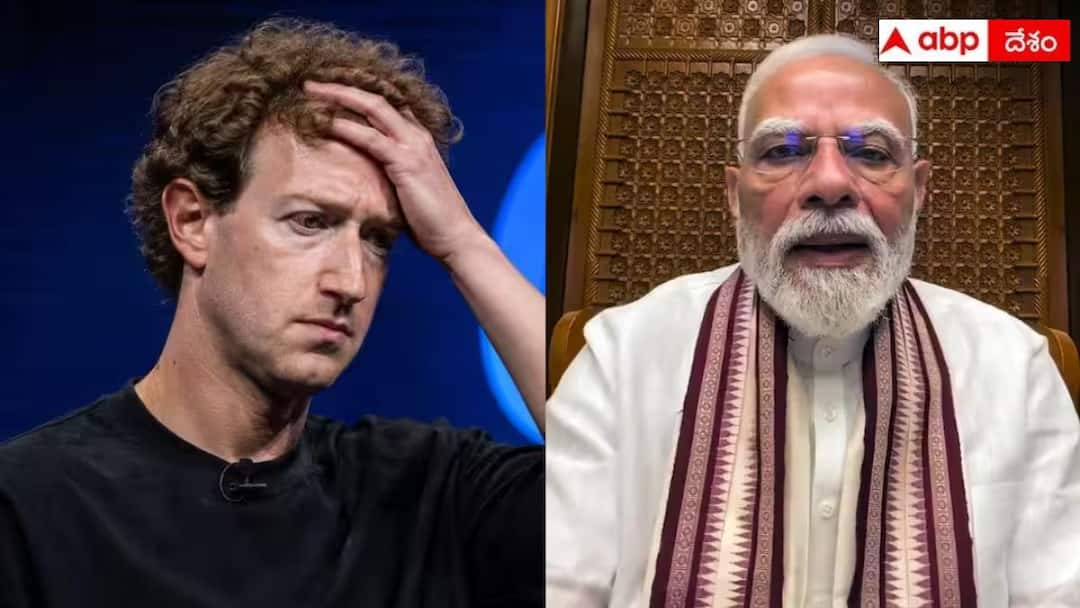

Meta has expressed regret to the Indian government over the spread of Child Sexual Abuse Material (CSAM), deepfake content and shortcomings in the functioning of its platform, according to government sources.
The issue came up during a series of meetings between Meta officials and the Centre, where the government also questioned whether the social media giant could continue to be treated as a mere intermediary under the Information Technology (IT) Act.
Govt Questions Meta’s ‘Platform’ Defence
According to government sources, the Centre made it clear during the meetings that Meta cannot simply claim to be a platform while determining which content reaches users through algorithms and paid promotions.
The government argued that Meta itself decides which posts are shown to users, which content receives greater reach and which does not.
According to sources, the government maintained that if a company controls the distribution of content through algorithms and further amplifies it using advertisements, it cannot be regarded as merely a passive intermediary.
The Centre also told Meta that companies operating in India must comply with Indian laws.
PM Modi’s Facebook Video Also Raised
Government sources said concerns were raised over the temporary removal of Prime Minister Narendra Modi’s Facebook post.
The meeting also discussed objectionable and indecent content circulating on Meta’s platforms.
According to the sources, Meta admitted that significant amounts of money had been spent promoting certain categories of content.
The issue assumes significance amid allegations in recent weeks that content related to children on Instagram was being promoted through paid advertisements.
Meta Expresses Regret Over CSAM
According to government sources, Meta apologised for the spread of Child Sexual Abuse Material (CSAM), deepfake content and lapses on its platform.
CSAM refers to images or videos depicting the sexual exploitation of children.
Sources also said Meta CEO Mark Zuckerberg expressed regret over the issue.
Meta Says It Has Strict Internal Rules
According to sources, Meta told the government that it has stringent internal policies governing content moderation.
The company also said that deliberate misuse of its platforms is unacceptable under any circumstances and that action is taken whenever such cases are identified.
Two-Day Meeting Between Govt And Meta
The Centre convened a two-day meeting with Meta’s global team on August 5 and 6.
According to government sources, discussions covered content moderation policies, the temporary removal of the Prime Minister’s Facebook post, CSAM, AI-generated content and safeguards relating to verified accounts.
ALSO READ: Zuckerberg Apologises Over Deepfakes, Child Sexual Abuse Content On Meta Platforms
On Wednesday, a delegation led by Meta’s Chief Global Affairs Officer Joel Kaplan met MeitY Secretary S. Krishnan for around 45 minutes and explained the reasons behind the mistaken removal of the Prime Minister’s video.
Later in the day, the delegation also met Union IT Minister Ashwini Vaishnaw.
Parliamentary Panel Seeks Apology From Zuckerberg
The Parliamentary Standing Committee on Communications and Information Technology has demanded an unconditional apology from Meta CEO Mark Zuckerberg.
According to a letter sent to the Ministry of Electronics and Information Technology (MeitY), the committee said a video of Prime Minister Narendra Modi addressing students on the examination controversy and paper leaks had been removed from Facebook for nearly five to six hours.
The panel has sought an apology within three days and warned that failure to comply could result in the withdrawal of the exemption available under Section 79(3) of the IT Act, with the company potentially facing action as a publisher.
What Is Safe Harbour?
Safe harbour is a conditional legal protection available to online platforms that host user-generated content.
Under the IT Rules, such platforms are required to fulfil certain obligations, including taking prompt action against misinformation and deepfake content.
According to the government, if this legal protection is withdrawn or held to be inapplicable, the platform and its senior officials could face direct legal action, including FIRs.
Govt Explains Why Algorithms Matter
According to the government’s argument, Meta’s algorithms do more than merely display content.
The system determines which posts users see first, which receive wider visibility and which are shown less frequently.
The government contends that because Meta actively influences the reach of content through its algorithms, it cannot be treated merely as a passive distributor.
Paid Promotions Also Under Scrutiny
The Centre also discussed how paid promotions increase the reach of content on Meta’s platforms.
According to government sources, concerns were raised over how certain categories of content allegedly reached larger audiences through paid advertisements.
The government has sought an explanation on how advertisements allegedly linked to CSAM-related content were allowed to pass through the system.
Sequence Of Events
On July 23, Prime Minister Narendra Modi’s Facebook post, in which he addressed young people and called for strict action against paper leaks, was temporarily blocked.
Meta later attributed the removal to an AI-related technical error, apologised and restored the post.
However, MeitY reportedly considered the explanation inadequate.
Separately, following media reports alleging that CSAM advertisements were running on Meta’s platform, the National Commission for Protection of Child Rights (NCPCR) issued a notice to the company and initiated an investigation after receiving its response.
On August 3, representatives from the Ministry of Home Affairs and MeitY met officials from Meta, Google, X, Snapchat and YouTube to discuss social media regulation.