
- Gig economy workers alter names to avoid religious discrimination.
- Digital platforms reflect societal biases, impacting worker livelihoods.
- Hiding identity becomes a survival tactic for vulnerable workers.
- Discrimination extends beyond gig work into corporate settings.
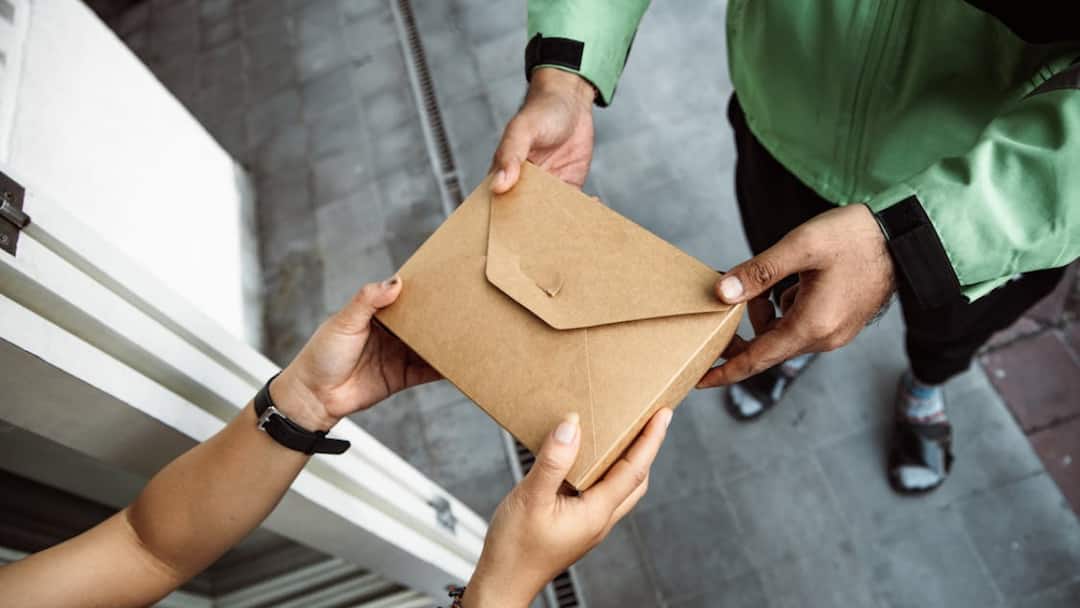
A delivery rider appeared on the app as “Bittu Bittu.” But when asked about the unusual name, he quietly admitted his real identity: Salman Mohammad. The reason for the change was simple and painful, customers were less likely to accept rides or services when they saw a Muslim name.
Across India’s rapidly expanding gig economy, stories like his are becoming increasingly common. Delivery workers, drivers, home service professionals, and street vendors say they are modifying names, abbreviating identities, or concealing visible markers of religion to avoid discrimination from customers.
For many, it is no longer about convenience or branding. It is about survival.
When Technology Mirrors Social Bias
The promise of app-based work was built on neutrality. Platforms claimed to remove gatekeepers and create equal opportunity through ratings, reviews, and efficiency. But in practice, many workers say the same prejudices that exist offline have simply migrated online, as reported by News Reel Asia.
A delivery worker shortened “Mohammad” to “MD” after a customer openly refused to be served by a Muslim. A home service worker in Delhi reportedly lost work midway through an assignment after her full name became visible on the booking screen.
These incidents reveal how digital systems often absorb and reproduce the biases of the societies they operate within.
India’s gig workforce currently exceeds 7.7 million people and is expected to touch 23.5 million by 2030. For workers already facing unstable incomes and limited protections, discrimination adds another layer of vulnerability. In one widely discussed 2022 incident, a customer using Swiggy allegedly requested “no Muslim delivery worker.” Although the delivery executive raised the issue with customer support, no reported action was taken against the customer.
ALSO READ: OPINION | Gold, Fuel And Sacrifice: Is Modi Preparing India For A Long Economic War?
A Name Becomes More Than An Identity
In India, names often reveal religion, caste, language, and region instantly. Before a worker speaks or performs a service, identity is already announced on an app screen or payment interface.
Sociologist Erving Goffman argued that certain labels can overshadow an individual’s entire identity, as per the report. That idea becomes especially visible in digital economies where names are unavoidable and constantly displayed.
The rise of UPI and QR-code payments has intensified the issue. Vendors say customers sometimes react differently once a Muslim name appears during a transaction.
In one 2024 incident, a right-wing activist allegedly scanned a juice vendor’s QR code, noticed the name “Ali,” and began verbally targeting the worker. The technology itself did not create prejudice, but it removed the anonymity that once existed in ordinary transactions.
Many women in informal work sectors reportedly adopt Hindu-sounding names, wear bindis, or alter clothing choices to avoid suspicion or hostility from customers.
Discrimination Extends Beyond Gig Work
The pattern is not unique to India’s platform economy. Studies in the United States have shown that CVs with Black-sounding names receive fewer callbacks, reported News Reel Asia. Housing discrimination studies in India similarly indicate lower response rates for Muslim applicants compared to upper-caste Hindu candidates.
The underlying strategy remains consistent everywhere: alter identity markers to reduce bias.
The imbalance is visible even in corporate India. Muslims make up more than 14 per cent of the country’s population, yet account for fewer than 3 per cent of senior executive positions in BSE 500 companies.
Debates around food delivery platforms have also highlighted these tensions. In 2024, Zomato faced criticism after proposing separate vegetarian and non-vegetarian delivery fleets. Critics warned that such segregation could indirectly expose Muslim workers, who disproportionately handle non-vegetarian orders, to social targeting. The proposal was later withdrawn.
Similarly, directives in some states requiring restaurants to publicly display staff names reportedly led certain establishments to quietly reduce or remove Muslim staff due to fears of backlash.
ALSO READ: ‘If Gen Z In Nepal Could…’: Arvind Kejriwal Urges Youth To Demand Accountability Over NEET Leak Row
The Human Cost Of Hiding
When Salman Mohammad becomes “Bittu Bittu,” it reflects more than a name change. It reflects a system where identity itself can become an economic disadvantage.
The burden of adaptation falls almost entirely on workers. Customers face little accountability, while platforms often frame discrimination as a matter of consumer preference rather than a structural issue requiring intervention.
Workers continue to adapt silently — changing names, hiding identities, and absorbing humiliation to protect their livelihoods.
For millions in India’s gig economy, invisibility has become part of the job.