Air pollution in Delhi NCR continues to remain at an alarming level, with the Air Quality Index (AQI) consistently recorded in the severe category. Residents are facing a double blow of intense cold and dense fog, which has further worsened air quality conditions. Several areas have reported AQI levels crossing 400, indicating extremely hazardous air. Bawana recorded an AQI of 408, Wazirpur 405, Anand Vihar 404, and Jahangirpuri 402, while Chandni Chowk stood slightly lower at 375. The average AQI across the region remains above 400, causing breathing difficulties, especially for the elderly, children, and those with respiratory illnesses. Despite the implementation of GRAP-4 restrictions, including a ban on BS-IV petrol vehicles and continuous pollution checks, no visible improvement has been observed. Smog and fog have reduced visibility, significantly affecting road and rail traffic, with vehicles forced to move at slower speeds. Even as Republic Day 2026 parade rehearsals continue at Kartavya Path and India Gate under harsh weather conditions, relief from pollution remains elusive. Nearby regions like Greater Noida are also witnessing a “triple attack” of cold, fog, and pollution, with AQI levels reportedly reaching as high as 511 posing a serious health risk. Authorities have urged people to step out only if absolutely necessary, as North India continues to grapple with toxic winter air.
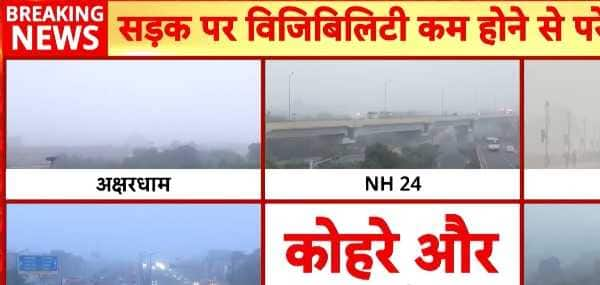
Delhi NCR: Battles Toxic Air as AQI Stays Above 400 Amid Cold Wave and Dense Fog
Previous article
Next article