The national capital Delhi and adjoining NCR regions are facing a worsening environmental crisis as air pollution and dense fog combine to create extremely hazardous conditions. There is little hope of relief in the coming days, with air quality remaining in the severe category across most areas. Visuals from multiple locations show a thick blanket of smog and fog engulfing the city, reducing visibility to near zero and making road movement extremely difficult. According to reports, Air Quality Index (AQI) levels in many parts of Delhi have crossed the 400 mark, placing them firmly in the red zone. Areas such as Dwarka (AQI 401), Akshardham (around 400), Barakhamba Road (400), and Pandit Pant Marg in Lutyens’ Delhi (AQI 429) are witnessing dangerously polluted air. Over a dozen AQI monitoring stations have recorded readings above 410, indicating a serious public health risk. The dense fog, intensified by pollution, has drastically reduced visibility—down to nearly 15 meters in some locations like the Akshardham flyover. Residents are being forced to remain indoors, while those stepping out are struggling to cope with poor air quality and near-zero visibility. Experts warn that the toxic mix of cold weather, fog, and pollution has effectively turned Delhi into a gas chamber, exposing gaps between official claims and ground reality.
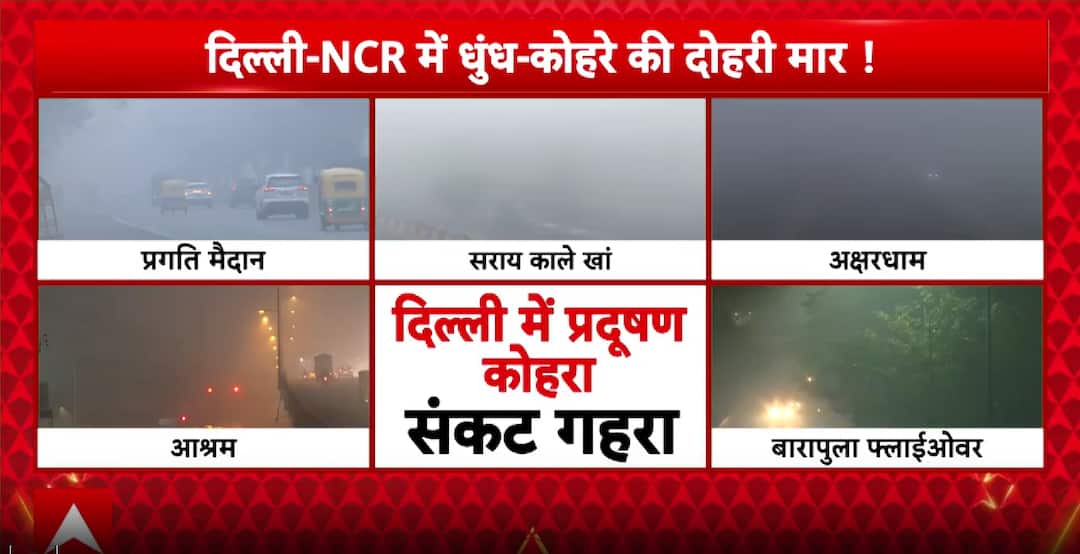
Breaking News: Delhi Turns Into Gas Chamber as Dense Fog and AQI Above 400 Choke NCR
Previous article

Next article