


A fresh political storm is brewing in Uttar Pradesh as the resignation and subsequent suspension of Bareilly City Magistrate Alankar Agnihotri has reignited debate over growing discontent among the Brahmin community toward the Yogi Adityanath government. The controversy erupted after Agnihotri resigned, citing objections to new UGC regulations and alleged insult to Shankaracharyas, before being suspended on disciplinary grounds. The situation escalated when Agnihotri claimed he was effectively placed under house arrest at the District Magistrate’s office, an allegation denied by the administration. His supporters staged protests outside the DM office, raising slogans against the government and accusing it of suppressing dissent within the bureaucracy. The episode has sparked a wider political conversation, questioning whether the BJP is losing support among Brahmins, traditionally considered one of its core voter bases. The issue gained further traction as Brahmin groups openly protested government policies, while opposition leaders termed the developments a sign of democratic failure and even demanded President’s Rule in the state. Adding another layer to the controversy, Ayodhya GST Deputy Commissioner Prashant Kumar Singh resigned in support of Chief Minister Yogi Adityanath, condemning alleged remarks against him by religious figures. His emotional resignation has fueled speculation about a deeper Brahmin-versus-Kshatriya divide within the state’s administrative and political circles. With the 2027 Uttar Pradesh assembly elections on the horizon, the unfolding events suggest that caste equations may once again dominate the state’s political narrative, posing a complex challenge for the ruling BJP to balance its traditional support base.
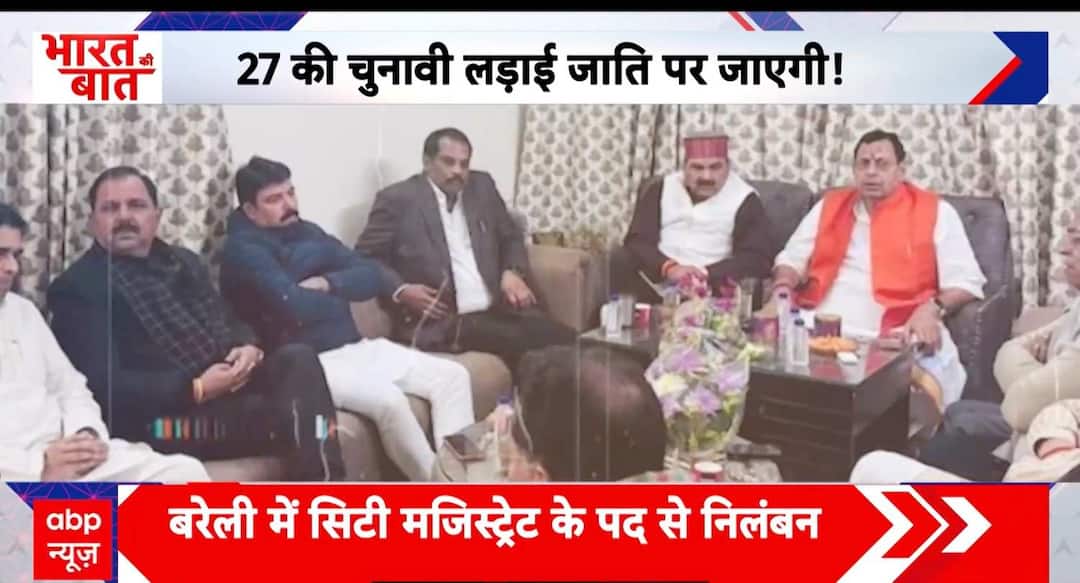
Breaking News: Brahmin Discontent Grows in UP as Alankar Agnihotri Row Puts Yogi Govt Under Pressure
Previous article
Next article
