The Aravalli mountain range, stretching from Delhi to Gujarat and considered a lifeline for North and Western India, has come into sharp focus following a recent Supreme Court order that has triggered widespread concern and protests. The ancient mountain system, which passes through Delhi, Haryana, Rajasthan, and Gujarat, plays a crucial role as a natural barrier against desertification, hot winds from the Thar Desert, groundwater depletion, and rising pollution levels. The controversy centers on the Supreme Court’s definition of the Aravalli, which reportedly recognizes only hills with a height of more than 100 meters as part of the protected mountain range. Environmentalists warn that this definition could exclude nearly 90% of the Aravalli hills, as Forest Survey of India data suggests that only 8–10% of the hills exceed the 100-meter mark. This has raised fears that vast areas could be opened up to mining, stone crushing, and real estate activity. The government, however, has sought to allay fears, stating that out of the total 1.44 lakh square kilometer Aravalli region, mining permission has been granted in only 0.19% of the area, while 91.09% remains fully protected. Opposition parties have accused the government of misleading the public and have even demanded an ordinance to overturn the ruling. Residents living around the Aravalli say their survival depends on the hills, warning that loss of the range could lead to water scarcity, increased pollution, and ecological imbalance.
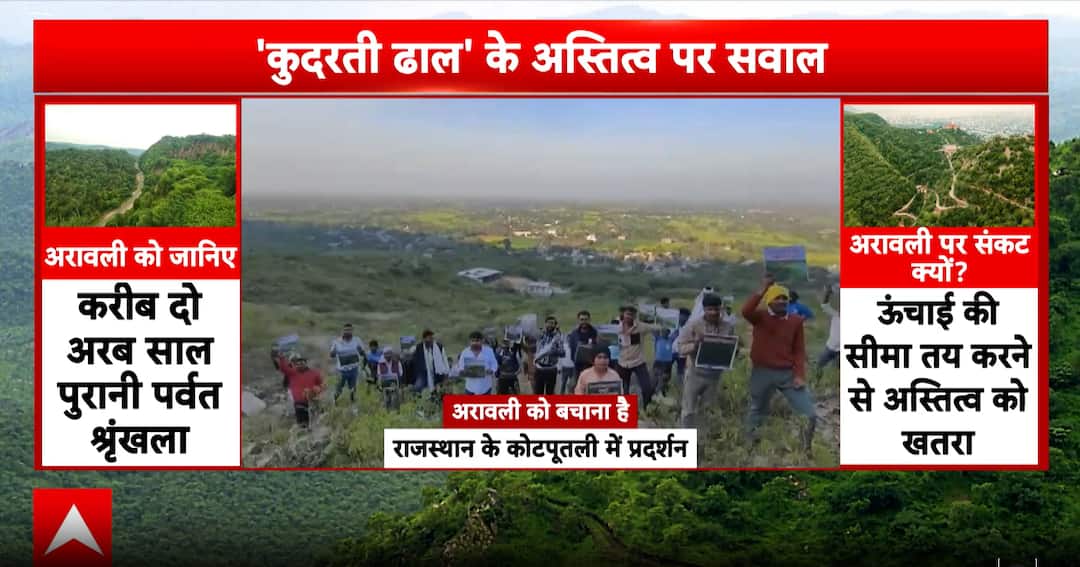
Breaking: Aravalli Range Faces Uncertainty After Supreme Court Ruling, Sparks Protests and Environmental Concerns
Next article