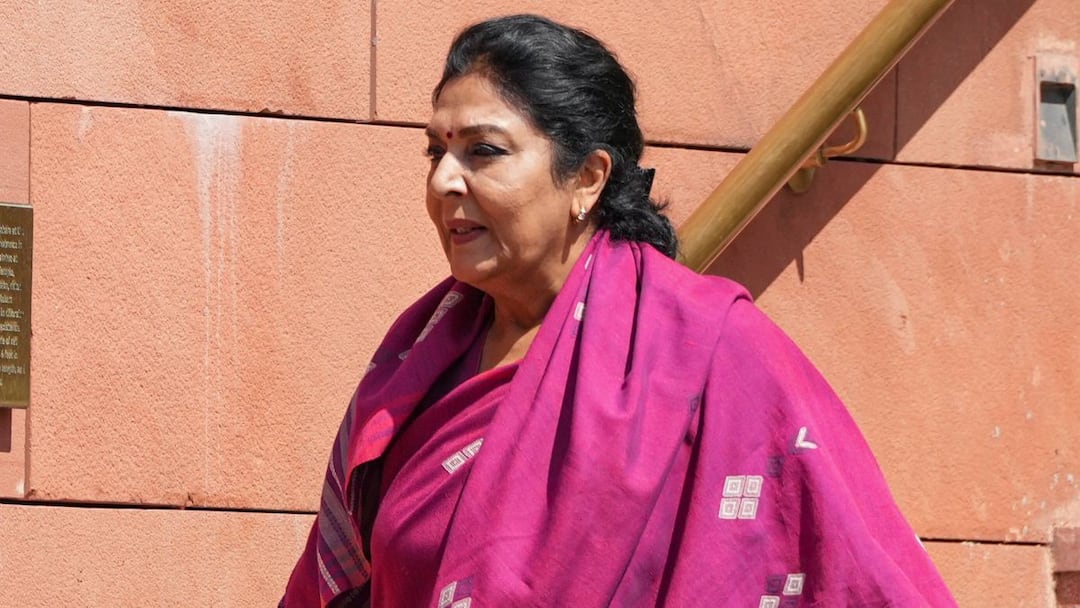

Congress MP Renuka Chowdhury has stirred a major political row after alleging that senior Army leaders are being compelled to speak in favour of the central government. She described the situation as “frightening”, suggesting that the armed forces are facing unprecedented pressure, a claim that swiftly provoked a fierce rebuttal from the BJP.
The ruling party condemned her comments as dangerous and disrespectful, accusing the Congress of repeatedly maligning India’s military for political gain.
Chowdhury Flags ‘Pressure’ on Armed Forces
Speaking to news agency IANS outside Parliament, Chowdhury insisted that the military’s neutrality was under threat. “For the first time, Army leaders are coming out and saying they are being pressured to speak in support of the government,” she said, expressing concern over what she called a deeply troubling shift.
BJP Demands Apology
The BJP quickly retaliated. Party spokesperson CR Kesavan labelled the statement “deeply divisive and malicious”, arguing that it undermined the integrity of soldiers who serve the nation “with selfless dedication”.
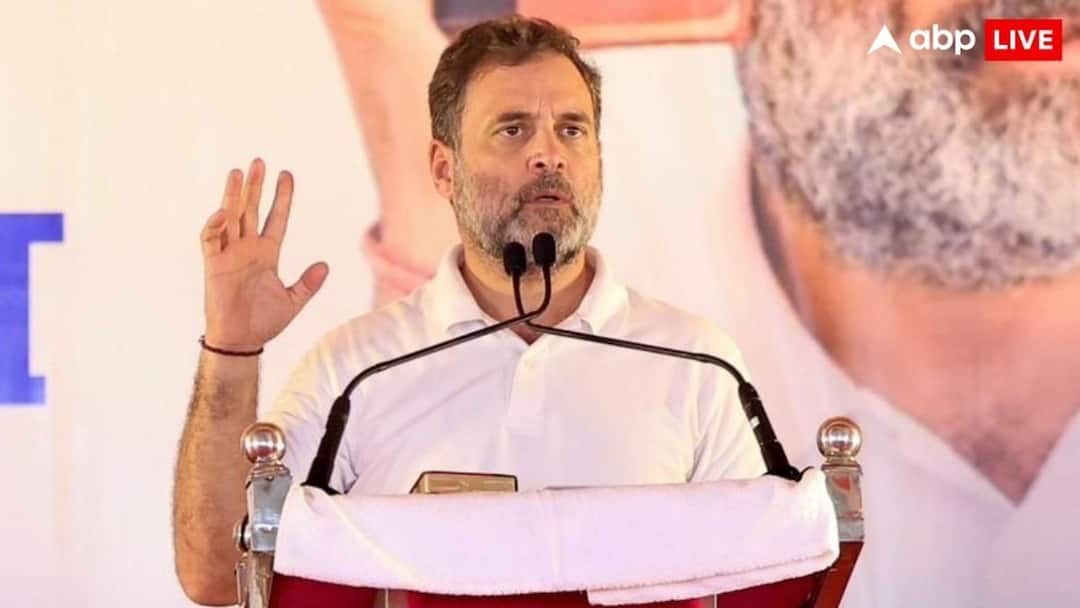
Kesavan also targeted senior Congress leader Rahul Gandhi, accusing him and his party of a persistent “sena virodhi” — anti-military — attitude. He pointed to past comments by Congress members, claiming they had insulted senior officers with derogatory terms and repeatedly cast doubt on key security operations.
“The Congress has long questioned the credibility of our armed forces, from surgical strikes to the Balakot air operation,” Kesavan said in an interview with NDTV, adding that Gandhi himself had been admonished by the court over remarks he made about the Army.
He demanded that Chowdhury apologise for “politicising the sacrifice and valour” of soldiers and urged the Congress leadership to take disciplinary action. However, he expressed little confidence that such a step would be taken, arguing that the party’s top brass shared the same mindset.
“You cannot expect any better from the Congress party,” Kesavan said, insisting that national interest must always come before political discourse.