
Time to screen social media
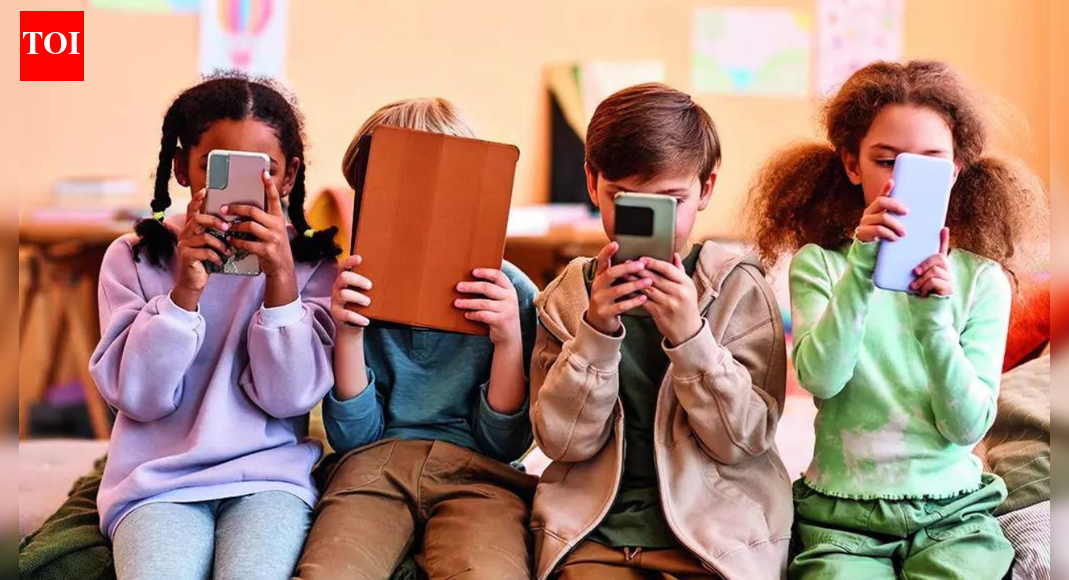
LONDON: A frustrated father in Spain, whose teenage daughter regularly sidesteps parental controls that block social media, wants the government to ban apps like TikTok and Instagram for children. In France, a mother of three worries about social media’s effect on young people and will not give her children smartphones until they are 15. But she is sceptical a government prohibition is the answer. A mother in Chile says it is a parent’s job, not government’s, to teach children how to use social media responsibly.Since Australia this month barred children under 16 from using social media, parents around the world have been debating whether similarly tough action is needed in their own countries. In Australia, surveys show most parents support the new rules, while young teenagers have talked about using VPNs and other workarounds. Several countries are weighing whether to adopt similar laws. Malaysia has announced plans to bar children under 16 from using social media starting 2026. Denmark could impose Europe’s toughest restrictions, though the measures would not go as far as Australia’s. In the US, several states have passed laws to restrict children’s social media use. Many parents said they were aware of the impact of smartphones on their own lives, and wanted to protect their children from the most harmful effects. But many also said they felt as if they were fighting a losing battle and were worn down by the time, arguments and technological know-how needed to keep their digitally savvy kids off social media. Parents who feel that way welcomed government action.Israel Perez, a designer in Barcelona, said his 14-year-old daughter was constantly pestering him to lift the restrictions he has imposed on her social media use. He said an Australia-like law would give parents more support in pushing back against such an online culture. “I really see it as necessary, not as a drastic or excessive measure,” he said. In Denmark, Anne Kroijer, a mother of four persuaded about three-quarters of the parents in her daughter’s class not to buy smartphones for their children. They got older flip phones instead that do not have many apps or a large touch screen. “It’s so incredibly uninteresting that she forgets it half the time,” said Kroijer. Justine Roberts, founder of Mumsnet, an online community for parents in Britain, said screen time was one of the most common topics on the site’s message boards. In a poll, Mumsnet found 83% said they would back an Australia-like ban in Britain. Not all parents believe new laws are needed, and some worry about government overreach. Others see new technologies and social media as an inevitable part of children’s daily lives. Charlotte Valette, a mother of three in Paris, said: “I am not so enthusiastic about the idea of a state taking such a drastic measure.” In Kenya, a country betting on technology to bolster its economy, it will be hard to persuade parents to take away their children’s smartphones, said Calvin Odera, a social worker in Nairobi, the capital.In Germany, a yearlong review of a petition brought by parents to parliament calling for an age limit on social media use showed opinion was split. One respondent wrote: “So, you’re supposed to register on social media with a digital ID card now, or some other method to verify your actual age?… The clock can’t be turned back.” Verena Holler was one of the parents supporting the petition. “It’s a global crisis.”