
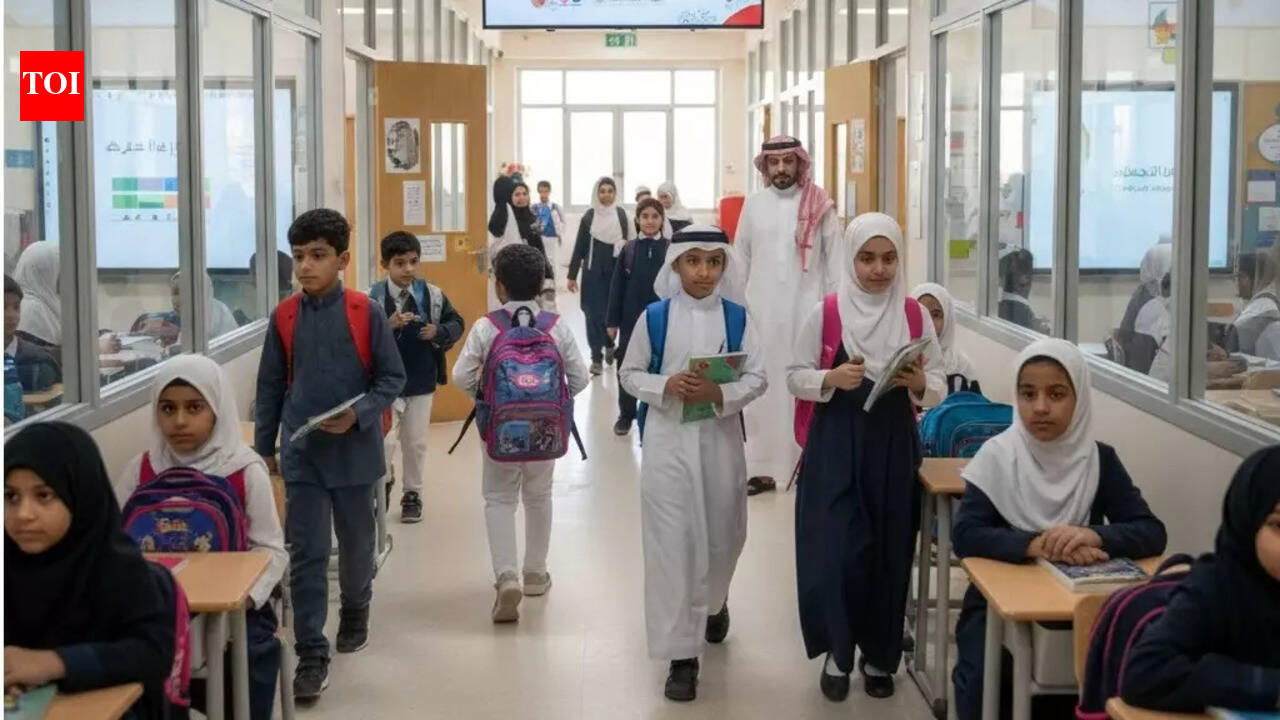


Saudi schools announce Ramadan 2026 attendance policy / AI Images
As Ramadan 2026 approaches, the Saudi Ministry of Education has issued official guidance on student attendance and school schedules during the holy month. This move is part of a broader effort to balance academic continuity with the special circumstances of fasting and worship that Ramadan brings.The announcement comes amid public interest and discussion over how schooling will operate during Ramadan, with some families asking whether schools might close or shift to flexible schedules.According to ministry directives, schools will continue operating during Ramadan, but with adjustments to morning and afternoon hours to accommodate the needs of students who are fasting.Education officials emphasized that the ministry aims to support students’ well-being and academic progress, while respecting the spiritual importance of the month.
Saudi Ministry sets Ramadan attendance rules
The Ministry has revised school timings for Ramadan 2026 to ease pressure on students practising fasting:
- Classroom start time will shift to later in the morning, giving students more rest before school.
- Lesson durations and lunchtime breaks will be adjusted to reduce fatigue and support focus during fasting hours.
To ensure students continue attending regularly, the Ministry has also launched a monitoring plan to track absences. Education officials will follow up on students who are expected to miss school, with a focus on minimizing unnecessary absences that could affect learning outcomes.In some reports, the Ministry has stated that it will record the names of students likely to be absent and analyze the reasons for their absence. This step is intended to provide psychological and educational support for students who struggle to adapt to the Ramadan schedule, rather than punitive measures.Officials also outlined strict disciplinary measures for cases of unexplained or repeated absences, a discipline push described as one of the strongest in the Kingdom’s school system history.
What can students expect?
The academic calendar for the 2025-2026 school year, set by the Ministry of Education, accounts for Ramadan and the Eid holidays as part of careful planning for the overall study year.Under these plans:
- Students will attend school for only around 11 days during Ramadan itself, given the shortened weeks and holiday periods.
- Most of Ramadan overlaps with pre-scheduled school holidays or vacation breaks, including the long Eid al-Fitr holiday that traditionally follows the end of fasting.
This approach means that, while class sessions still exist in Ramadan, the number of active school days is reduced compared with a typical month, a decision that was welcomed by many families, especially younger students.
Strict rules for delays
Flexibility for the holy month does not mean a lapse in standards. The Ministry has explicitly banned morning delays, requiring schools to adhere strictly to the approved start and end times. School administrations have been held directly responsible for student “leakage”, students leaving early or sneaking out during the day. Furthermore, there will be “no leniency” regarding school uniform regulations. Despite the physical changes that come with fasting, students are expected to maintain a professional appearance, and teachers have been ordered to capitalize on every minute of the lesson (the Hessa) to prevent any loss in learning outcomes.
28-day break awaits
The push for strict attendance during the first half of Ramadan is balanced by a generous holiday schedule. Students in Saudi Arabia are set to enjoy a total of 28 days of breaks during the second semester. The Eid Al-Fitr holiday is scheduled to begin at the end of the school day on Thursday, Ramadan 17 (March 6, 2026), and will run through March 28, 2026. By enforcing discipline during the initial 11 days of Ramadan, the Ministry ensures that students earn their long holiday, maintaining a high standard of education while respecting the deep spiritual significance of the month for over six million students across the Kingdom. Go to Source