
Image: Reuters
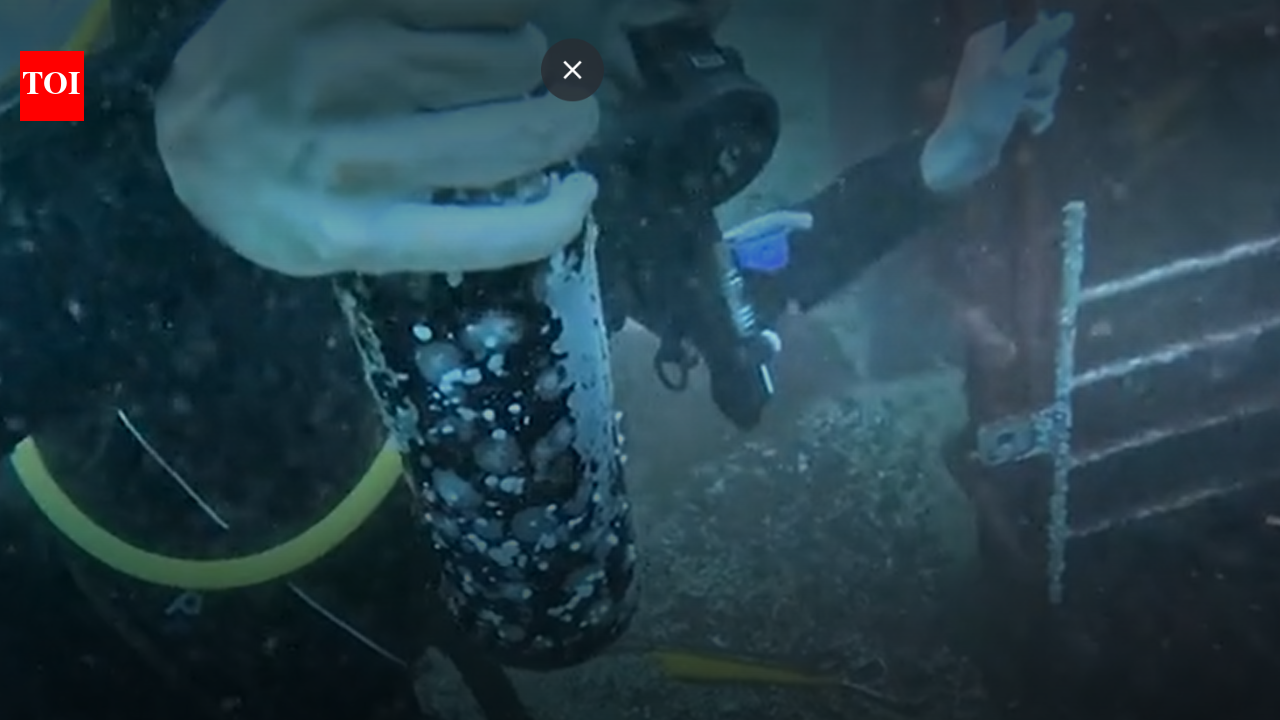
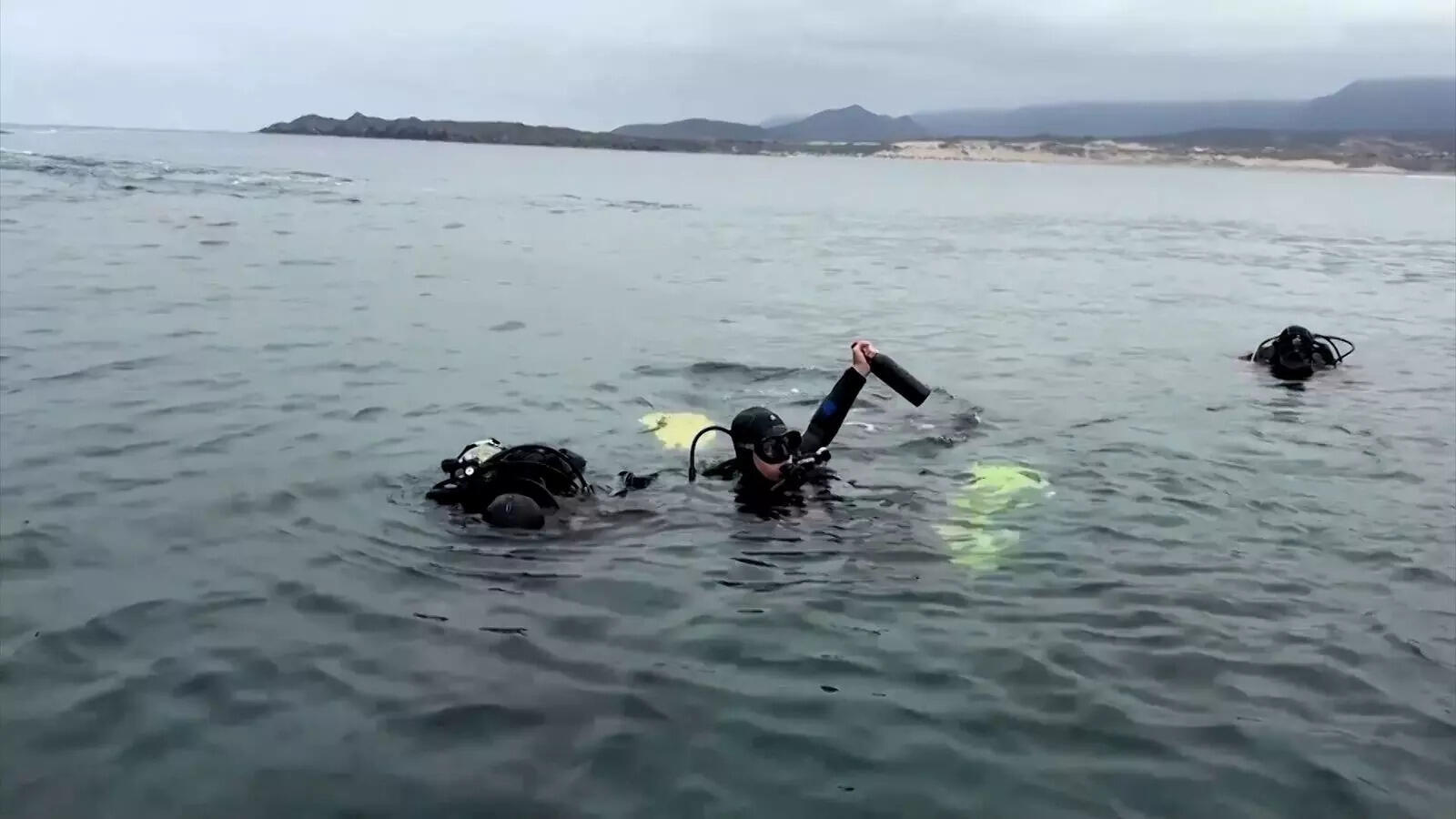
Off the coast of northern Chile, divers are carrying out an unusual experiment that blends winemaking with marine science. Instead of ageing bottles in underground cellars, they lower them into the Pacific Ocean, secure them inside metal cages, and leave them on the sea floor for months. At depths of up to 20 metres, the ocean offers stable cold, darkness, and pressure, conditions that winemakers usually try to reproduce using costly infrastructure on land. What began as a limited trial has gained wider attention after professional tastings suggested the ocean-aged wines developed subtle but noticeable changes in texture and balance.
Turning ocean into a natural wine cellar
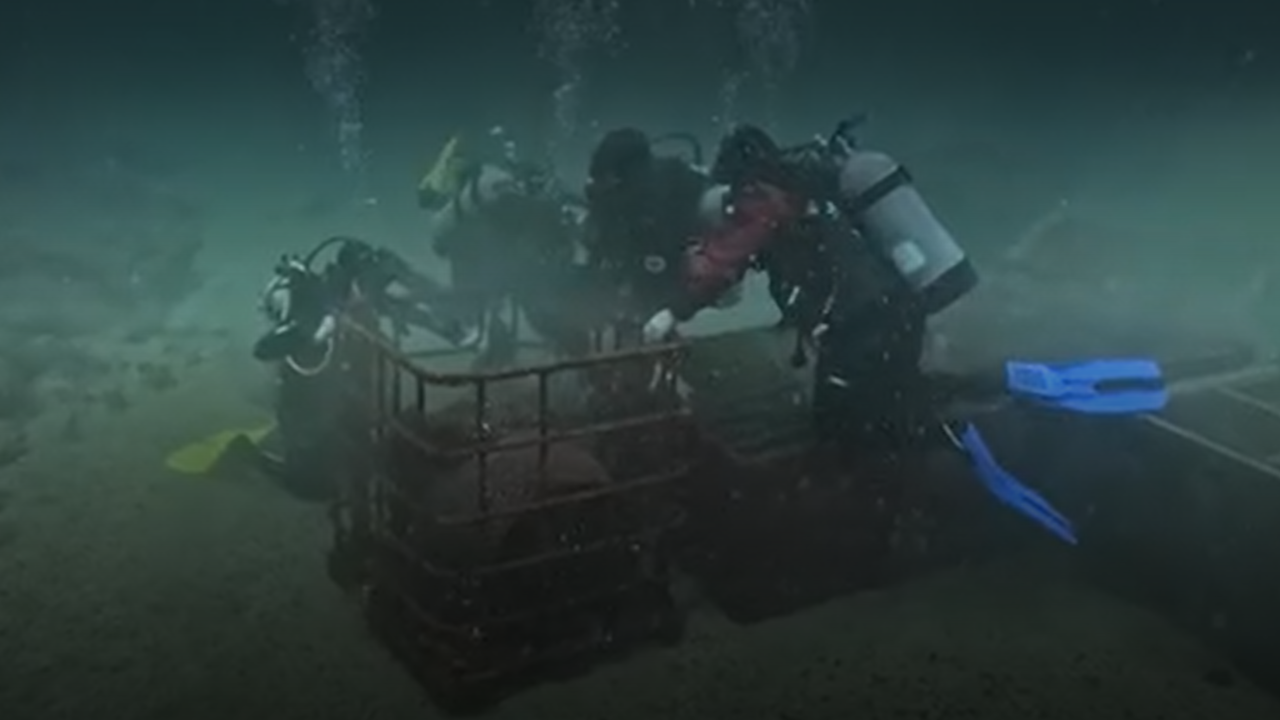
The project is run near the Chilean coast by divers working with Cava Indus 8 in collaboration with the ODC diving center. Bottles are placed in cages on the seabed near Isla de Locos, where temperatures stay close to 11°C throughout the year. Unlike surface storage, the underwater environment avoids light exposure and sudden temperature shifts, both of which can negatively affect ageing.At depths of 10 to 20 metres, water pressure is higher than at sea level. Winemakers involved believe this influences how small amounts of oxygen interact with the wine through the cork, slowing the ageing process. Combined with constant cold and darkness, this creates a controlled environment that encourages gradual development rather than rapid change. Tasters have reported smoother tannins and a more integrated structure, rather than dramatic differences in flavour.
Wines that benefit the most
Early results suggest that some varieties respond better than others. White and cool-climate grapes such as Chardonnay, Sauvignon Blanc, and Pinot Noir appear particularly well suited to underwater ageing because they are more sensitive to oxidation and temperature variation. Heavier red wines can also be aged this way, but the outcomes are less consistent and still being studied.
An idea with historical roots
Although it may sound unconventional, the concept of ageing wine underwater has historical precedent. Bottles recovered from shipwrecks in European seas have often been found in surprisingly good condition after decades below the surface. Inspired by these discoveries, producers in parts of Europe have experimented with submerged ageing before. Chile’s case stands out because it applies the idea in a country that is among the world’s largest wine exporters.One of the main appeals of underwater ageing is its minimal energy requirement. Traditional cellars rely on construction and climate control systems to maintain stable conditions. The ocean provides similar stability naturally, without refrigeration or electricity. For an industry facing rising temperatures and higher energy costs, this approach offers a way to reduce environmental impact while maintaining quality.
Experimenting with environment, not replacing tradition
Those behind the project emphasise that underwater ageing is not intended to replace conventional methods. Instead, it is a way to explore how different environments influence wine development. The experiment reflects a broader shift toward working with natural conditions rather than trying to overpower them.In that sense, the cages resting on the ocean floor represent more than a novelty. They are part of a wider effort to rethink how wine is aged, using the planet itself as an ally rather than a challenge. Go to Source