
For Londoners living around Greenford Tube station, tiptoeing through floodwater to get to work was a part of their daily routine. The ticket hall found itself inundated after a heavy downpour with neighbourhoods flooded and sandbags routinely deployed to make way.The local council of Ealing, a borough in West London faced the daunting reality every year and yet struggled to come up with a solution. Initially, they planned on spending millions on expensive engineering works to create an artificial reservoir to solve the problem. That was before conservationists shared another idea. Until five beavers came along and fixed the problem for free. “Why don’t we try a nature-based solution? Why don’t we bring back beavers?” asked Sean McCormack, a vet and conservationist with the Ealing Beaver Project.
Pushed outside their own world
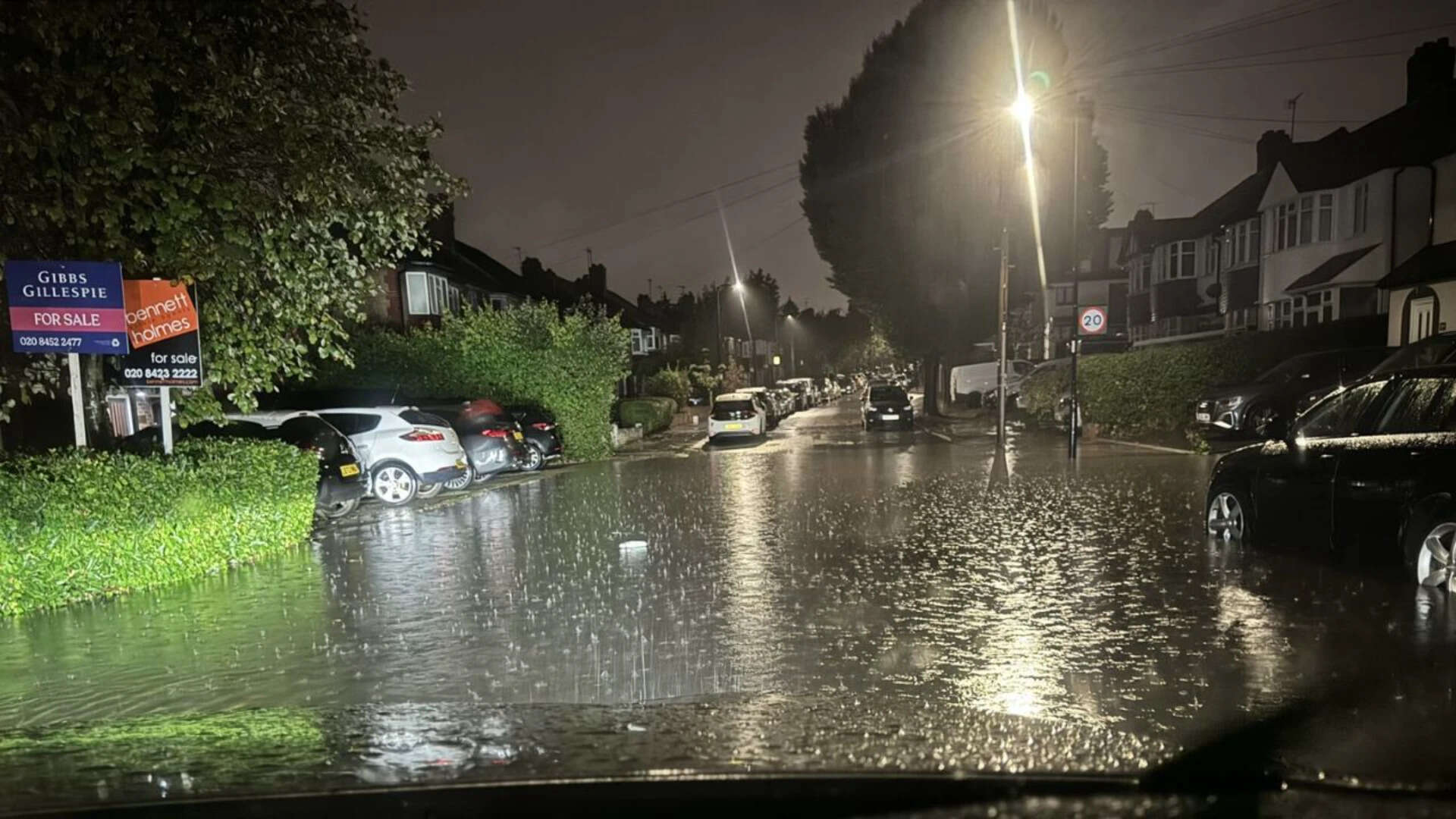
Earlier, the neighbourhoods flooded regularly and sandbags were routinely deployed to make way.
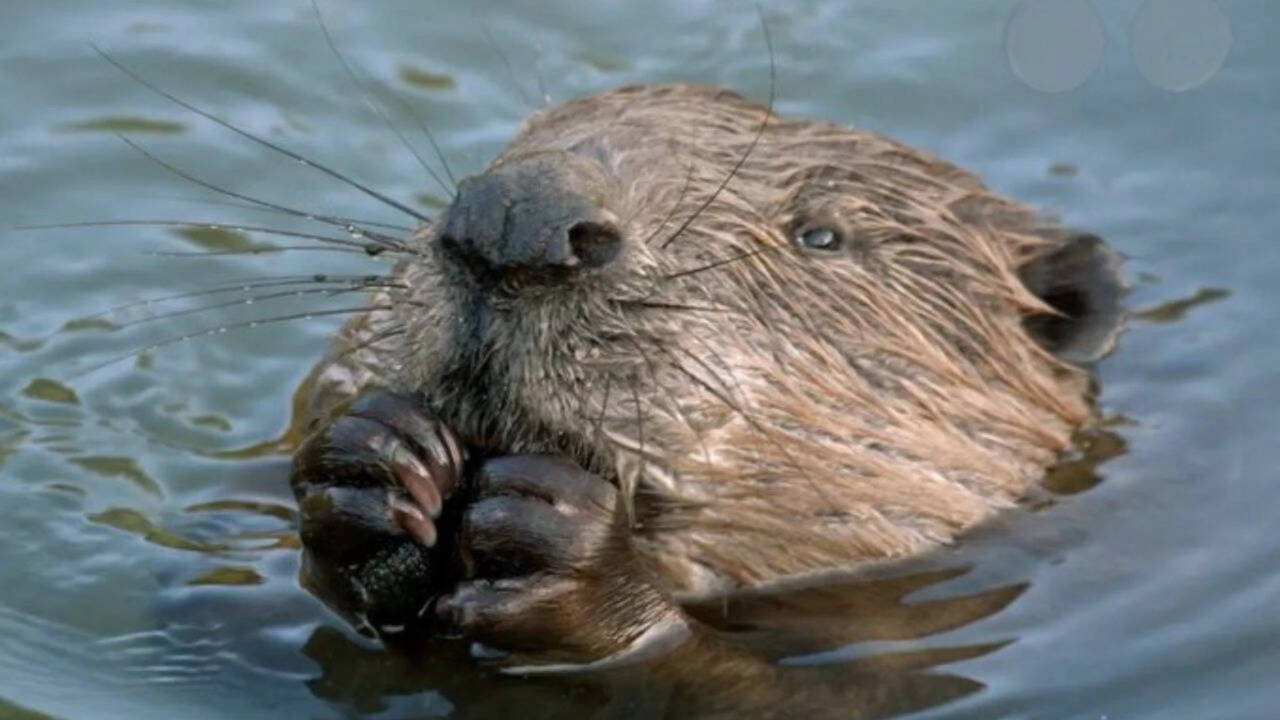
Beavers are amazing natural engineers. Their strong teeth, fortified with iron that makes them a unique orange colour, can chisel through sticks and trees. They eat the bark and use the wood to build dams, creating natural reservoirs. At Paradise Fields, the rodents got to work immediately, reengineering the landscape around Greenland with a series of dams which created a new lake almost overnight. They even dismantled an old dam built by volunteers and replaced it with a better one of their own. Incredibly, they still had time to breed, producing a litter within a year of arriving.The project revealed that Greenford station, downstream from the animals’ wetland home at Paradise Fields, has not flooded for three years in a row since they moved in. The beavers slow the flow of water during downpours and create wetlands that hold it back, easing pressure on the drainage system further downstream. These pools offer the beavers refuge from predators; for humans, they provide natural flood control.Earlier, the river water took minutes to rush through the system into the tube station but now it seeps down through the series of dams and complex wetlands built by them. “They’re slowing the flow when we have heavy rainfall events. They’re sinking the flow as well into the ground because the ground here is wetter, even surrounding the river itself, and they’re creating these complex wetlands that basically draw down that water and hold it for longer,” said McCormack to the BBC.“I just can’t believe how much they’ve done in a short period of time, they basically said ‘step aside, humans’,” Şeniz Mustafa, England’s first urban beaver officer, who witnessed the animals’ handiwork firsthand, told Positive News.“We do make things a little bit hard for ourselves. It goes to show that we don’t have to use heavy machinery or build infrastructure, nature can do it.”