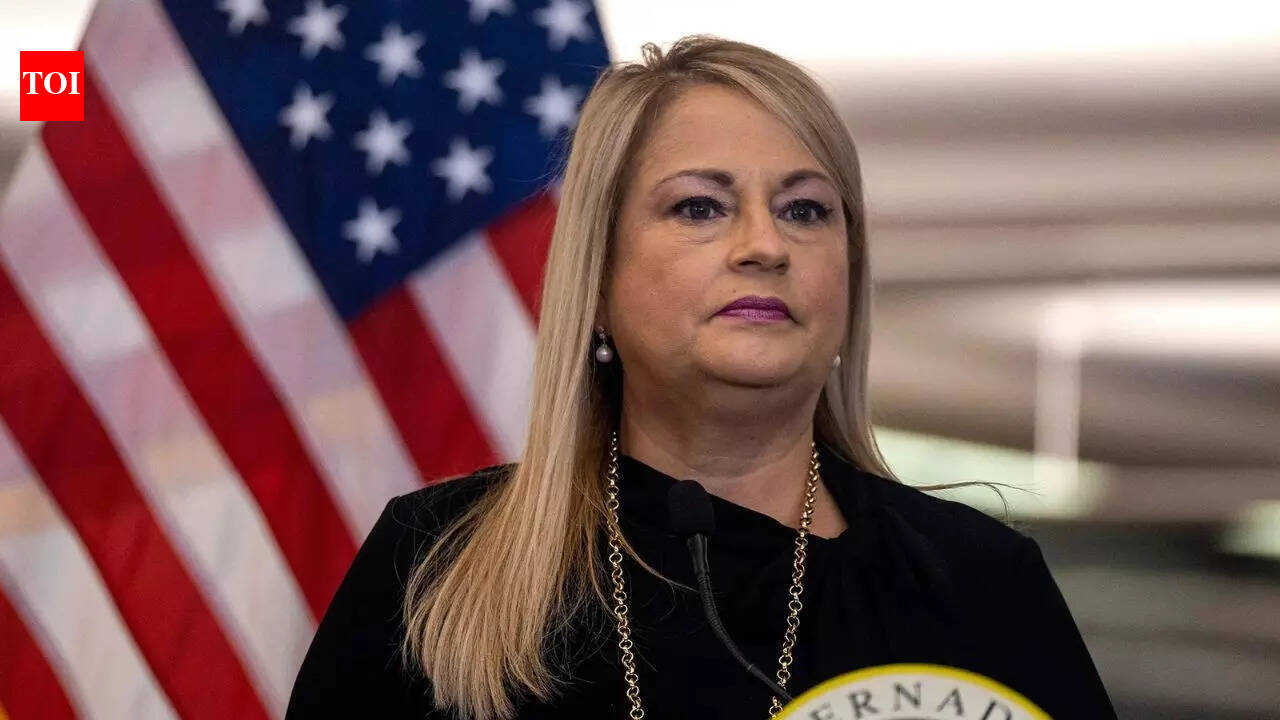


Puerto Rico governor Jenniffer González has signed a new amendment to the territory’s penal code that recognises an unborn child as a human being. The move has triggered wide debate across legal, medical, and political circles. The law reshapes how the unborn are defined in criminal cases, especially those involving violence against pregnant women. While the government says the measure does not ban abortion, critics argue it changes the legal foundation in ways that could affect reproductive rights in Puerto Rico in the future.
What the new law changes in Puerto Rico
The amendment updates sections of the penal code that deal with homicide and serious violent offences. It defines the unborn child as a human being at any stage of gestation for criminal law purposes. This means that if a violent act against a pregnant woman results in the loss of the pregnancy, the unborn child is recognised as a separate victim under the law.Officials say earlier laws did not clearly cover such cases. The new wording is meant to remove legal gaps and ensure consistent treatment across criminal statutes.
Why the government backed the amendment
The governor’s office says the goal is to strengthen protections for pregnant women and unborn victims of crime. Supporters argue that the law focuses on punishing violence rather than regulating medical decisions. They also stress that the amendment does not directly change abortion law or medical regulations.Backers describe the measure as a public safety step. They say it reflects concern over violent crimes involving pregnant women and aims to ensure harsher penalties where pregnancy loss results from an attack.
Fears of wider legal consequences
Critics say the language goes beyond criminal punishment and enters the broader debate over fetal rights. By recognising the fetus as a human being, they argue, the law introduces legal ambiguity. That ambiguity could later be used in court to question abortion access or medical practices related to pregnancy.Legal experts warn that even if abortion remains legal today, future lawmakers or judges could rely on this definition to argue for new restrictions. This concern has fuelled protests and public criticism.
Medical community response
Doctors and health professionals have expressed unease about how the law may be applied. Some fear it could encourage defensive medicine. Physicians may feel pressured to avoid complex or high-risk procedures due to concerns about legal exposure.Medical groups say pregnancy often involves unpredictable outcomes. They warn that criminal definitions should not interfere with urgent clinical decisions, especially in cases of miscarriage, complications, or emergency care.
Civil rights and privacy issues
Civil liberties advocates have raised concerns about patient privacy. They argue that recognising the unborn as a separate legal subject could increase state involvement in pregnancy-related decisions. Critics also point to limited public hearings before the amendment was passed, saying such a significant change required deeper consultation.Some groups fear the law could disproportionately affect vulnerable women, especially those with limited access to healthcare or legal support.
How this fits into a wider trend
The Puerto Rico law comes at a time when many jurisdictions are re-examining abortion and fetal rights. Around the world and in parts of the United States, lawmakers have moved to expand legal recognition of the unborn, often following political shifts and court rulings.What makes Puerto Rico’s move notable is that it recognises the unborn in criminal law without directly banning abortion. This places the territory in a legally uncertain position that will likely be tested.
Is Puerto Rico setting a precedent?
Puerto Rico is widely seen as the first US territory to adopt such explicit recognition of the unborn in its penal code. While some US states and other countries have similar provisions, they are often paired with strict abortion limits. Here, abortion remains legal, which makes the long-term impact harder to predict.Legal scholars say this combination could lead to complex court cases and conflicting interpretations.Challenges to the law are expected. Courts may be asked to clarify how far the definition extends and whether it conflicts with existing constitutional protections. Medical associations and civil rights groups are also likely to seek clearer guidelines.For now, the amendment stands as a landmark change. Supporters see it as justice for unborn victims of violence. Critics see it as a risky shift that could reshape reproductive rights through the courts rather than legislation. Go to Source