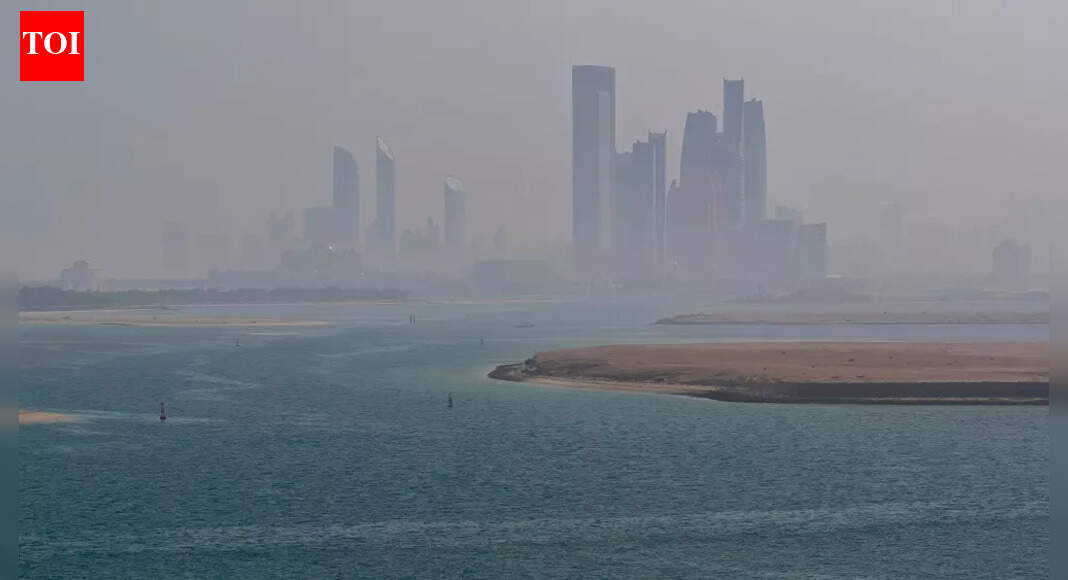

UAE braces for coldest winter days as temperatures fall to 5°C / Image: File
If you thought the winter breeze was already crisp, it’s time to dig even deeper into your wardrobe. According to the latest forecasts from the National Centre of Meteorology (NCM) and the Emirates Astronomical Society, the UAE is about to enter its most intense cold spell of the year. This period, which runs from January 10 to January 22, is historically recognized as the peak of the winter season, where the mercury takes its most dramatic dip.Experts like Ibrahim Al Jarwan, Chairman of the Emirates Astronomical Society, explain that this isn’t just a random weather shift. It is a well-documented phenomenon that combines ancient regional folklore with modern atmospheric science to bring a “real” winter experience to the desert. This upcoming cold spell is tied to a traditional phase known locally as “Der Al Sittin”, a weather pattern embedded in Gulf folklore and long associated with the chilliest days of the year.
Understanding “Der Al Sittin”
Der Al Sittin, literally “the sixty days”, is a traditional term used to describe a sustained period of cold weather that has been recognised by locals for generations. Folklore even describes this chill as sharp as a knife’s edge, highlighting just how intense winter mornings can feel during this time. Meteorologists link this period to both solar and atmospheric patterns, including the culmination of the Thuraya (Pleiades) constellation in the evening sky, an event historically connected with winter cold in Arab culture. This mix of cultural wisdom and scientific forecasting gives residents a familiar signal that winter’s peak is near. While daytime temperatures are expected to remain comfortable for most of the UAE, mornings and nights will feel significantly colder, especially before sunrise. Cool breezes and the possibility of frost in open desert regions are likely for those early hours.
Current weather
Before the main cold stretch arrives, weather patterns in the UAE are already showing signs of change:
- Fog and reduced visibility have been reported in parts of Abu Dhabi and other inland areas, prompting caution for drivers and commuters.
- Light rain and cloudy skies are possible in coastal emirates like Sharjah, Ras Al Khaimah, and Fujairah over the next few days, reflecting unsettled winter conditions.
- Temperatures in cities such as Dubai and Abu Dhabi are dipping into the mid-teens at night — noticeably cooler than recent weeks.
Despite these early signs, forecasters warn that weather predictions become less certain beyond about five days, due to the complexity of atmospheric dynamics. This means residents should keep an eye on regular updates closer to mid-January for the most accurate details.
Super ‘Wolf Moon’
The upcoming cold snap isn’t just happening on the ground; it’s being signaled from the stars. This period coincides with the evening culmination of the Thuraya (Pleiades) constellation, a star cluster that has long served as a celestial weather vane for Arab astronomers. When Thuraya reaches its peak in the evening sky, it traditionally signals that the most severe winter conditions have arrived.Adding to the drama of 2026, the first full moon of the year, known as the “Wolf Moon”, is set to appear during this cold stretch. This year, it will be a supermoon, meaning the moon will be at its closest point to Earth, appearing unusually large and bright. While the name “Wolf Moon” comes from North American and European folklore, where wolves were said to howl more during the freezing winter nights, it perfectly sets the mood for the UAE’s own chilly January evenings.This winter stretch presents a chance for residents to experience one of the UAE’s traditional weather phases, a period locals have long recognised as the heart of winter. While the cold may be surprising to some, especially those used to milder months, it also offers a reminder of the seasonal rhythms that mark this part of the year in the Gulf region. Go to Source