


Trump H-1B Visa Overhaul: Impact on Indian Professionals and US Tech Sector
A once-strategic partnership between the United States and India, long built on mutual economic benefit, innovation and people-to-people ties, is now straining under sweeping immigration and trade policies implemented under former President Donald Trump’s administration. Policies such as the drastic H-1B visa fee hike, broader immigration tightening and protectionist economic measures are not only disrupting the careers of Indian professionals but also reshaping decades-old norms that enabled some of the world’s brightest minds to thrive across borders. This shift has led to widespread concern across India’s technology sector, diaspora communities and global labour markets.
Trump’s H-1B visa overhaul: A turning point
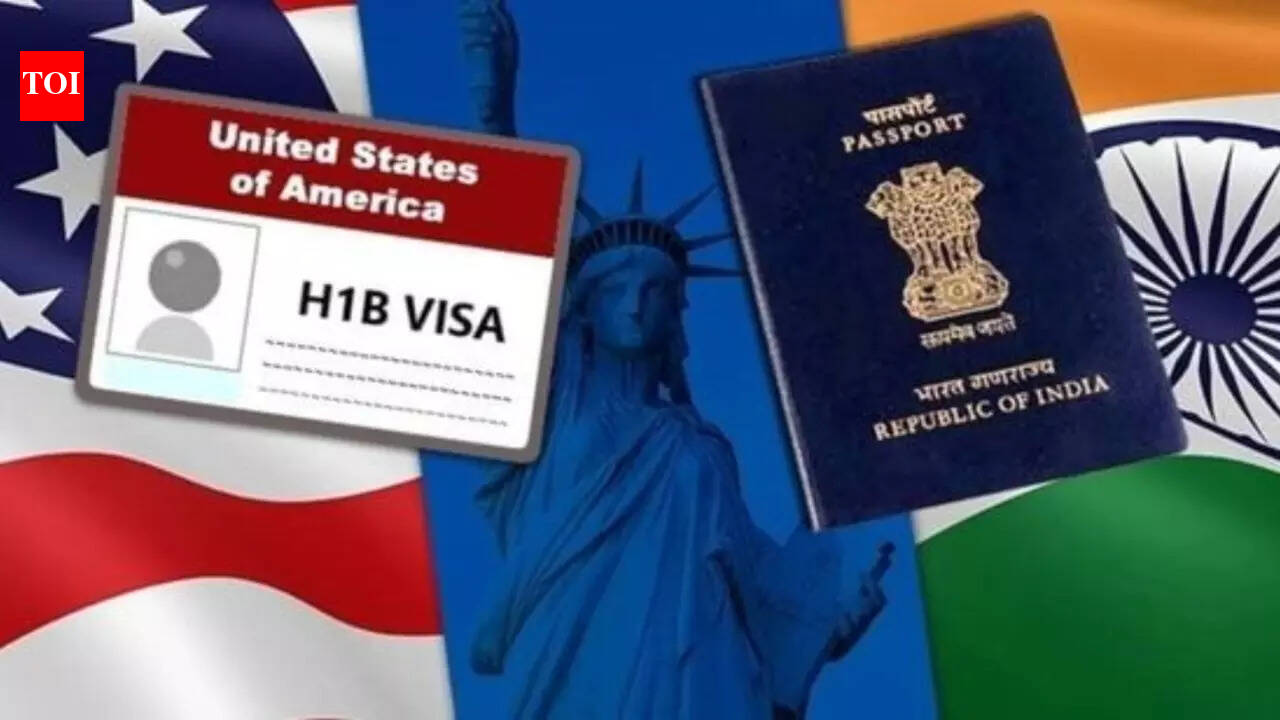
At the heart of the controversy is Trump’s executive proclamation that imposed a staggering $100,000 annual fee on companies sponsoring H-1B visas, a quantum leap from the prior costs of roughly $2,000–$5,000.
Budget 2026
This visa category has historically been the lifeblood of skilled immigration into the US, especially for Indian professionals in technology, engineering, healthcare and research.Indian nationals have long dominated the program. They accounted for an overwhelming share, upwards of 70% of approved H-1B visas in recent years, enabling them to fill critical roles in Silicon Valley and beyond. With the new fee structure in place, many Indian tech workers and their employers find the math suddenly untenable, prompting near-panic responses and urgent travel advisories in autumn 2025.
🚨 US consulates across India have pushed H-1B visa-stamping interview dates to 2027.
No new H-1B stamping in 2026 for Indian professionals. pic.twitter.com/3FQmrwFGcK
— Indian Tech & Infra (@IndianTechGuide) January 26, 2026
The fallout was immediate. IT giants such as Infosys, Tata Consultancy Services and others saw share prices slump as markets digested the implications of shrinking access to US labour opportunities. Critics argue that such a punitive pricing policy could dry up the pipeline of global talent that has powered America’s innovation economy for decades.
Trump’s H-1B visa disruption: Not just numbers but lives
The effects of these visa changes extend far beyond corporate balance sheets:
- Chaos at airports and sudden travel advisories circulated as professionals scrambled to return to the US before new rules took effect, a stark break from previous norms where H-1B holders travelled globally with minimal disruption.
- Indian diaspora groups have criticised extensive visa stamping delays and procedural bottlenecks, which some say “100% target” Indian professionals already vetted and legally in the US.
- Families and social lives are strained as migration routes once seen as stable livelihoods become uncertain or prohibitively expensive, sparking a mood of anxiety and hesitation among young professionals.
For many, the program that once symbolised opportunity and mobility now feels unpredictable and exclusionary. Opinion writers and policy analysts argue that the visa overhaul reflects a broader shift in US strategy, one that prioritises short-term political appeal over long-term cooperation. Measures such as visa fee hikes and tariffs are undermining what was once a mutually beneficial relationship built on openness and shared prosperity. India’s contributions to the US economy run deep. Indian tech professionals have helped build and scale innovations at major technology firms, contributing billions in tax revenue and trillions in value to the American economy. Yet, many see the new policies as signalling that those contributions are no longer valued as they once were.
This is absurd
Indian professionals work hard to contribute to global innovation, and delaying H-1B visa stamping for a whole year is unfair, disruptive, and short-sighted.
— Bushra.♥️🇵🇰 (@BushiSays) January 26, 2026
The impact reaches into strategic and diplomatic cooperation, weakening trust at a time when Washington has sought New Delhi’s support on broader geopolitical challenges. By targeting Indian mobility and labour flows, critics say the US may be alienating a key strategic partner while undermining its own leadership story as a global innovation hub.
Economic tug-of-war: Trump’s H-1B visa costs, innovation and protectionism
The Trump administration has justified the policy shift as part of a “America First” agenda, aiming to protect domestic workers and wages by raising the cost of hiring foreign labour. However, economists and business leaders warn that such protectionism could have adverse effects. Economists caution that making H-1B visas prohibitively expensive, essentially a “tariff on talent”, could harm both the US tech sector and broader innovation, undermining its competitiveness.Analysts also note that reduced mobility may push companies to hire more local talent or invest in international offices but that this may not fully offset the loss of cross-border expertise. Critics argue that the policy does not address core issues like technological competition with China but rather diverts attention to immigration as a scapegoat.
#H1B visa appointments are a mess.
No new slots, constant reschedules. U.S. IT companies are letting employees work 3-6 months remotely from India just to keep things moving, but figuring out taxes and immigration laws for temporary #H1BVisa workers is a nightmare for lot of…
— M9 USA🇺🇸 (@M9USA_) January 29, 2026
Some voices even suggest that these policy changes could inadvertently turbocharge India’s domestic tech ecosystem, as talent chooses to stay home or companies pivot regional operations back to India, enhancing local innovation hubs. Beyond geopolitics and economics, the human dimension of these policy shifts is striking:
- Delays in visa stamping processes and rescheduling into 2027 have left many professionals stranded abroad, unable to travel to family events like weddings or care for sick relatives without risking their US employment status.
- Younger professionals, especially those on OPT and early-career pathways, have expressed profound uncertainty and disillusionment with what was once a clear trajectory to American employment.
- The sense among many in the Indian diaspora is that they are being unfairly singled out, a sentiment that has spilled into international social debate and advocacy.
What comes next: Recalibration or realignment of Trump’s H-1B visa?
While the immediate effects are challenging, some experts see potential long-term outcomes:
- India’s tech sector could benefit if returning talent and reduced reliance on H-1B pathways galvanise domestic innovation, higher education, and employment ecosystems.
- Global firms may expand offshore hubs and remote work models, reducing fixation on U.S. centres and redistributing opportunities globally. This could be a bittersweet shift, decentralising talent networks but also reducing migration opportunities.
- Politically, the strained relationship over immigration policies may push India to diversify its international partnerships and strengthen its negotiating posture on global labour mobility.
Trump’s H-1B visa reforms, especially the unprecedented $100,000 fee and sweeping policy rhetoric, have transformed the visa from a coveted gateway into a complex and costly hurdle for Indian professionals. What was once a symbol of collaboration and shared success now feels like a targeted squeeze that jeopardises careers, divides families, and shakes a pillar of bilateral cooperation.Yet, in this disruption lies a paradox: out of constraint may emerge new opportunities back home, deeper regional investment and a refreshed conversation about India’s role in the global innovation ecosystem. If policymakers and industry leaders can channel this moment strategically, India may yet turn this pressure into a catalyst for domestic transformation, even as it navigates the uncertain terrain of its relationship with the world’s largest economy. Go to Source