
PC: Science News
Long before cities appeared, before fields were cleared for crops and before people began living in permanent villages, communities around Lake Baikal in Siberia were moving through a landscape shaped by hunting, fishing and seasonal rhythms. For years, archaeologists studying ancient burials in the region were puzzled by something unusual. Certain cemeteries contained unexpectedly high numbers of children and large graves that appeared to have been used only once. The pattern felt different from ordinary mortality. Now, evidence recovered from ancient DNA suggests those graves may preserve the earliest known traces of plague ever identified. The finding pushes the history of the disease further back in time and raises new questions about how deadly infections spread among prehistoric populations.
What archaeologists found at Lake Baikal’s burial sites
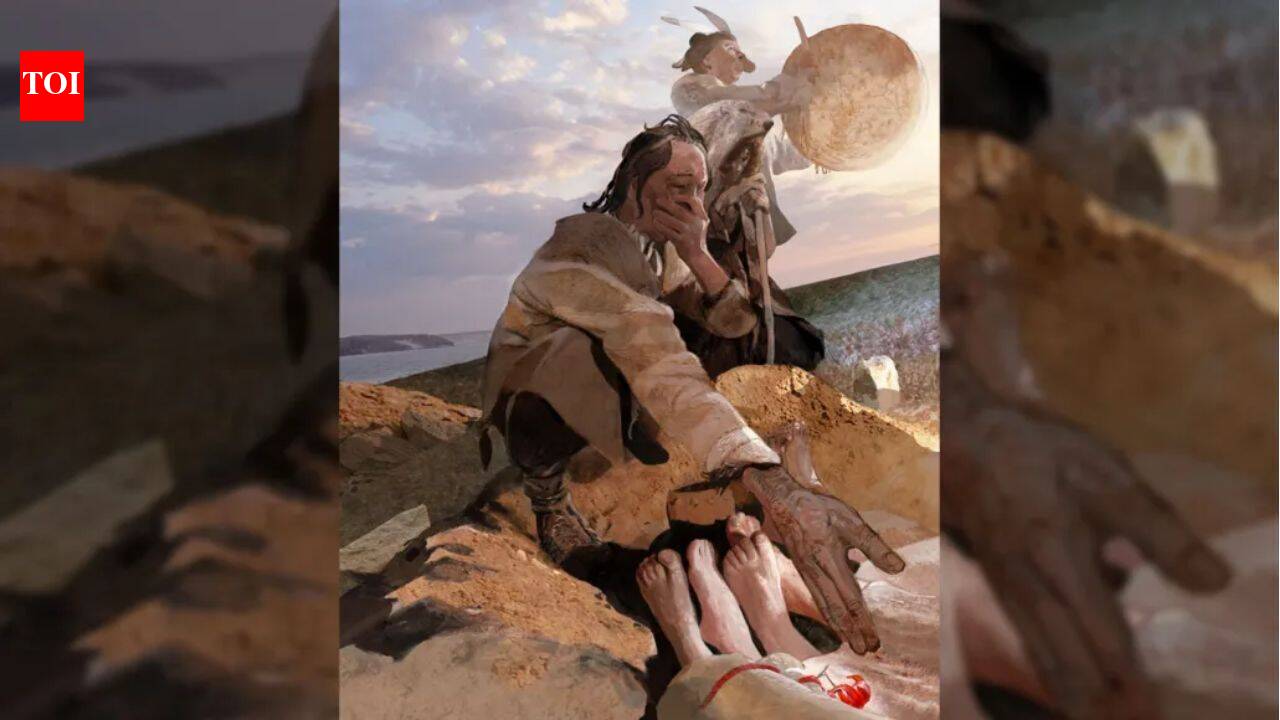
The story began with a group of burial grounds scattered around the vast Siberian lake. Archaeologists examining the sites noticed signs that hinted at a crisis rather than the gradual accumulation of burials over generations. Some graves held several individuals together. Others appeared to have been created quickly. In places, children seemed to be represented in unusually large numbers. None of these clues alone could explain what had happened, but together they suggested a disruption severe enough to affect entire communities. To understand whether family relationships might reveal the reason, researchers turned to genetic analysis. Ancient DNA extracted from skeletal remains was expected to shed light on kinship ties. Instead, it pointed towards something far less anticipated.
How the cause of death came into focus
The study published in Nature, titled, ‘Lethal plague outbreaks in Lake Baikal hunter-gatherers 5,500 years ago’, fragments of bacterial DNA recovered from the remains revealed the presence of Yersinia pestis, the microbe responsible for plague.Among dozens of individuals examined, a substantial number carried evidence of infection at the time of death. The pattern appeared across people buried together, strengthening the possibility that many died during the same outbreak rather than from unrelated causes spread across decades.The burials themselves added weight to that interpretation. Several groups were interred collectively, and the sites do not appear to have continued in use afterwards. Taken together, the evidence suggests a disease event that struck hard enough to leave a lasting mark on the local population.
Plague may have emerged before farming communities
For many years, discussions about the origins of plague focused on the rise of farming societies. The logic seemed straightforward. Permanent settlements brought people, animals, food stores, and waste into closer contact. Such conditions offered opportunities for rodents and parasites that could carry disease. Earlier discoveries of ancient plague DNA had largely fitted that picture, appearing in communities connected to farming and settled life. The Siberian evidence complicates that narrative.According to the study published, the people living around Lake Baikal were hunter-gatherers. Their communities were smaller and more mobile than later agricultural populations. Yet the newly identified outbreak appears capable of causing widespread mortality despite the absence of densely packed villages. That does not mean farming played no role in the later history of plague. What it suggests instead is that the disease may have been capable of becoming dangerous long before agriculture reshaped human societies.
How plague could have reached hunter-gatherers
The environment around Lake Baikal offered plenty of opportunities for interaction between humans and animals. One possible source is the marmot, a large burrowing rodent known to harbour plague bacteria even in more recent periods. Hunter-gatherer groups living in the region would likely have encountered such animals regularly, whether through hunting, trapping or simply sharing the same landscape.Exactly how the infection moved into human populations remains uncertain. Ancient outbreaks rarely leave a complete record. The bacterial traces reveal that plague was present, but they cannot reconstruct every step of transmission. What they do indicate is that a reservoir for the disease existed outside agricultural settlements, allowing plague to circulate in environments that had previously received little attention from researchers studying its early evolution.
An older branch of the plague family tree
The genetic evidence carries another implication beyond the outbreak itself. By comparing the ancient bacterial DNA with later forms of plague, scientists were able to estimate where the Siberian strain sits within the disease’s evolutionary history. The results suggest it belongs to an extremely early branch of the plague lineage.In practical terms, that means the bacterium had already begun developing into a distinct and dangerous pathogen thousands of years ago. The Lake Baikal strain appears older than previously identified examples, extending the known timeline of plague’s emergence. The findings also hint that the disease may have originated and diversified across parts of Central Asia earlier than once thought, with different branches spreading into separate regions over time.
The long history before recorded outbreaks
Plague is often remembered through famous historical disasters such as the medieval pandemics that swept across Europe and Asia. Those events dominate public memory because they were recorded in written sources and affected millions. The newly identified Siberian outbreak belongs to a very different world, one with no written accounts and few surviving traces beyond bones, tools and fragments of DNA.The graves near Lake Baikal suggest the disease was already shaping lives thousands of years before the first cities appeared. They also serve as a reminder that ancient infections did not wait for urban civilisation to emerge. Even small communities living close to nature could find themselves facing outbreaks capable of changing the course of their history. Go to Source