


Image: Shutterstock
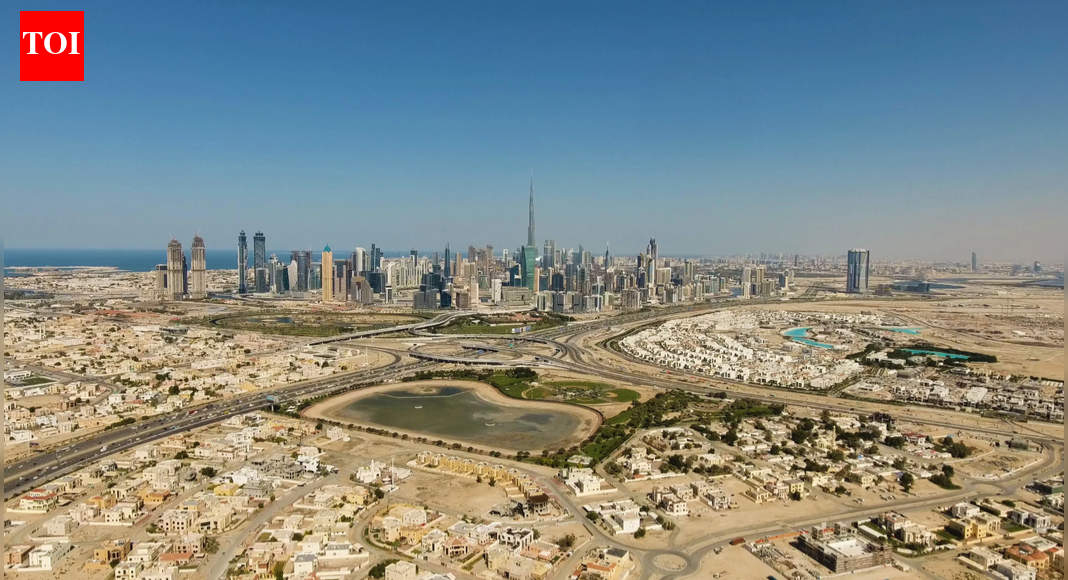
Known as one of the world’s most luxurious destinations, the United Arab Emirates is famous for its soaring skyscrapers, supercars, and extravagant lifestyle. Beyond this image of wealth and opulence, the country is also economically robust. With a GDP of $504 billion and a population of just 9.52 million, it ranks among the most stable economies globally, supported by strong financial infrastructure, high per capita income, and low unemployment. Yet, despite this prosperity, the UAE faces one of its biggest challenges: freshwater scarcity.Situated in the arid desert of the Arabian Peninsula, the country has no permanent rivers or natural lakes. Minimal rainfall and high evaporation mean it relies on rainwater from the Hajar Mountains, which feeds seasonal wadis and underwater gorges. While natural sources once met all water needs, today desalination provides the majority of supply, as rising urbanisation, population growth, climate change, and over-extraction of groundwater place increasing strain on this vital resource.
How does the UAE get its water?
1. Desalination: Turning seawater into supplyAccording to the State of Energy Report 2015, 42% of the UAE’s water requirement is fulfilled through desalination, with nearly 70 major plants in operation. These facilities contribute to 14% of the world’s total desalinated water output, making the UAE one of the world’s top producers. Desalination methods used include: Reverse Osmosis (RO), Multiple-Effect Distillation (MED) and Multiple-Stage Flash (MSF).Between 2008 and 2012, water demand surged by 35.8%, intensifying the need for sustainable desalination. Today, the UAE is actively exploring renewable energy-powered desalination technologies to meet long-term needs.2. Groundwater: An ancient but limited resourceIn some regions, ancient aquifers (underground water reserves) are still tapped. However, these are rapidly depleting due to over-extraction and are not viable as a permanent solution.3. Treated Wastewater: Recycling for a sustainable futureThe UAE has made significant strides in reusing wastewater. Treated water is redirected for irrigation, landscaping, and industrial applications helping to conserve valuable freshwater. The national goal is to safely reuse 95% of all treated wastewater.4. Water storage and importationThe UAE has invested heavily in large-scale reservoirs and emergency storage tanks to ensure water availability even during crises. Though not widely publicized, officials have acknowledged exploring water importation from neighboring regions to boost supply resilience.
What About the Wadis? Another smart move
While the UAE has no permanent rivers, it is home to wadis, seasonal valleys or dry riverbeds that come alive during rare but intense rainfall. Much of this rain falls on the steep slopes of the Hajar Mountains, running off to collect in the wadi beds. Here, water forms temporary pools and streams, particularly in areas with underlying springs such as Wadi Wurayah, while also seeping into limestone and gravel aquifers to replenish underground water stores. These underground reserves are vital for agriculture and other human uses. Beyond their practical importance, wadis support local biodiversity and attract eco-tourism, with Wadi Shawka in Ras Al Khaimah standing out for its striking natural beauty and popular hiking trails. In a country defined by arid deserts, these seasonal waterways play a crucial role in sustaining both life and livelihoods.
Planning for the Future: UAE Water Security Strategy 2036
To ensure long-term sustainability, the UAE launched the Water Security Strategy 2036, developed with input from all key stakeholders involved in national water management. The strategy outlines bold targets:
- 21% reduction in total water demand
- Increase the water productivity index to USD 110 per cubic metre
- Reduce the water scarcity index by three degrees
- 95% reuse of treated wastewater
- Expand national water storage capacity
- Ensure universal, affordable access to safe drinking water
This strategy aligns with the National Water and Energy Demand Management Programme, which targets 40% efficiency improvements across the transport, industry, and construction sectors.
Innovation amid scarcity
The UAE’s success in managing water despite natural scarcity highlights its forward-thinking governance and engineering prowess. With climate change and population growth threatening water supplies globally, the UAE’s model offers valuable lessons for other arid nations.Although it may seem paradoxical, a nation without natural rivers has emerged as a leader in water security and urban sustainability. The UAE’s story is not just about thriving in the desert, it’s about how innovation and vision can transform scarcity into strength. Go to Source