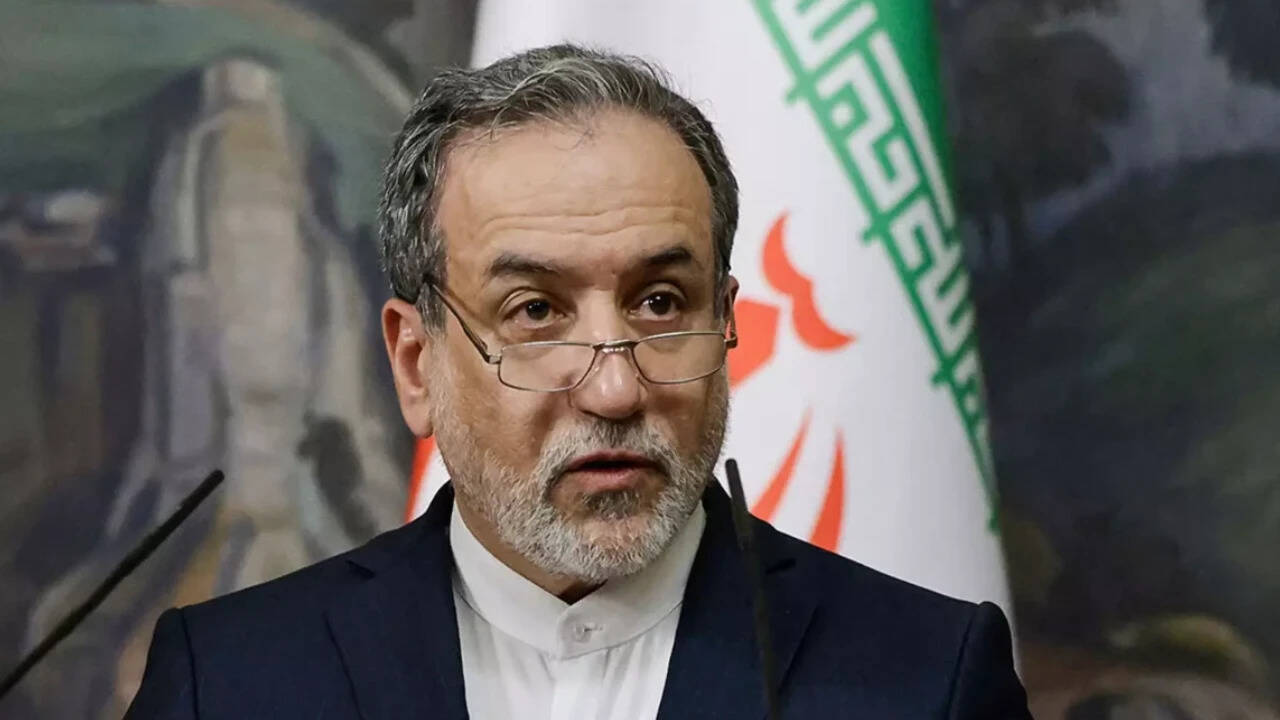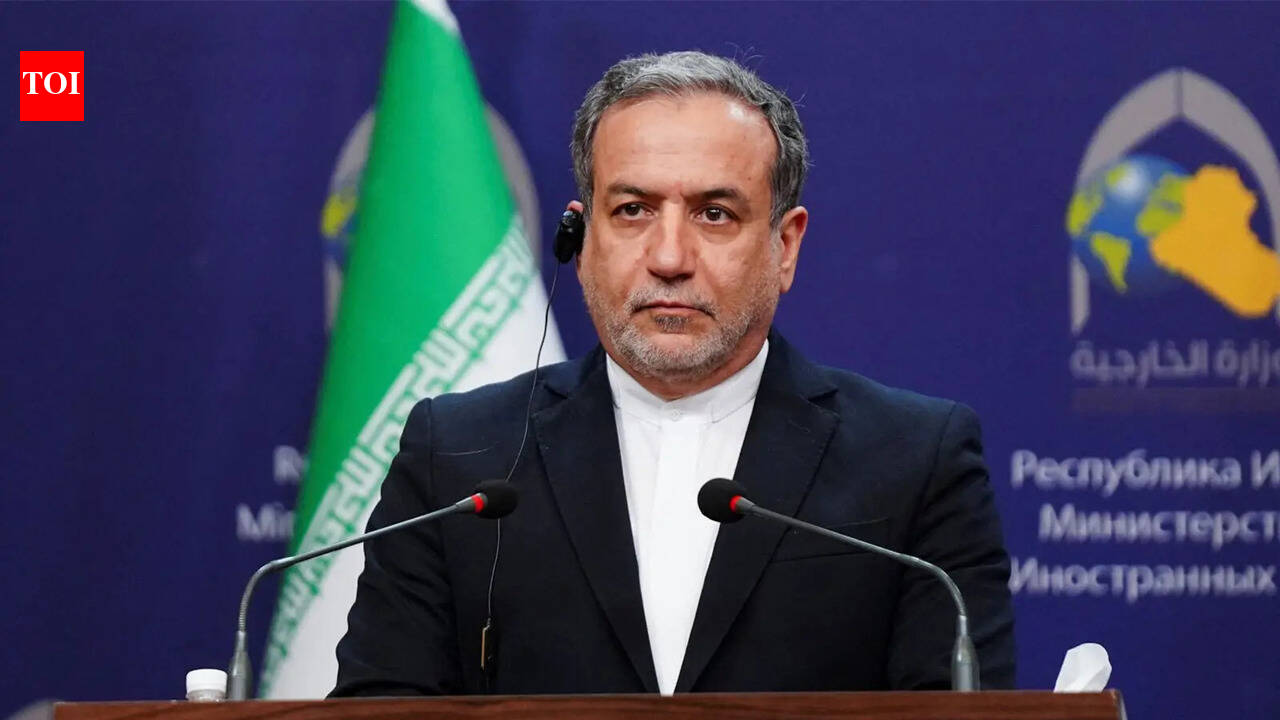

Abbas Araghchi (File photo)
Iranian foreign minister Seyyed Abbas Araghchi has claimed that the bombing of Ayatollah Ali Khamenei’s residence, which killed the then-Supreme Leader, was enabled by a breach which he described as a “security hole” that remains active.Araghchi alleged that the breach allowed the United States and Israel to obtain information and influence decision-making during the conflict.”The bombing of the residence took place through a security hole, and this security hole still exists. This security hole also has an impact on the direction of decision-making,” Araghchi told the documentary “War Adventure 2,” according to ANI.According to Araghchi, the US and Israel had knowledge of meetings involving Iran’s senior leadership.”The enemy knew about these meetings, and the reason for that is probably the security hole that may still exist and that the security forces are looking for. I believe that this security hole is not only active in infiltrating and obtaining information, but also in directing decisions and directing our psychological space,” the Iranian foreign minister added.The top diplomat claimed the “attackers” were aware of Khamenei’s daily routine and targeted the location accordingly. “I believe that they knew that the gentleman was in his office every morning and that the target was within reach. The enemies realised that the commanders’ meeting was being held near him, and for this reason, they chose that moment to attack,” he said.Araghchi also claimed an unnamed regional leader had warned him before the conflict that Iran’s leadership was being targeted. “One of the regional leaders happily told me that war was certain and asked us not to respond because they were targeting the leadership. I said that any point in Iran that is attacked will be met with a reciprocal response,” he stated.Araghchi claimed the United States believed that eliminating Iran’s leadership would lead to the collapse of the system.”Later, the US told the countries in the region to endure for a month, the war will end, and after that, the issue will end forever. The experience of Venezuela had given the US the wrong analysis that if the leadership is eliminated, the system will collapse. Now our friendly countries say that they had warned them that Iran is different. Although we did not neglect the military aspect in the 40-day war, we neglected to protect political officials,” he added, referring to the US military intervention in Venezuela in January, which removed Nicolas Maduro and brought him to the US to face narco-terrorism-related charges.Araghchi praised his colleagues for remaining with him at the foreign ministry throughout the conflict.”During the 40-day war, my deputies, colleagues, and I did not leave the Ministry of Foreign Affairs building. There was no safe place,” he said.He added that he continued using his mobile phone to communicate with foreign ministers, Iranian embassies and other officials despite security risks.”I had to make all my calls to foreign ministers, interviews, calls to our own embassies. The only thing that somewhat lowered the risk factor was that we spent hours during the day driving around the city,” Araghchi remarked.He also revealed that he attended meetings in underground facilities but did not stay there.”I went to the tunnel once or twice for meetings, but I didn’t stay in the tunnel. There are a lot of tunnels. There are also a number of fortified buildings, but since there may be another war, let’s keep these for that time,” he added.