
Saturday, February 28, 2026
31.1 C
New Delhi

Saudi new 5-year Resident ID to cut 65 million office visits and boost digital services

Saudi new 5-year Resident ID to cut 65 million office visits and boost digital services

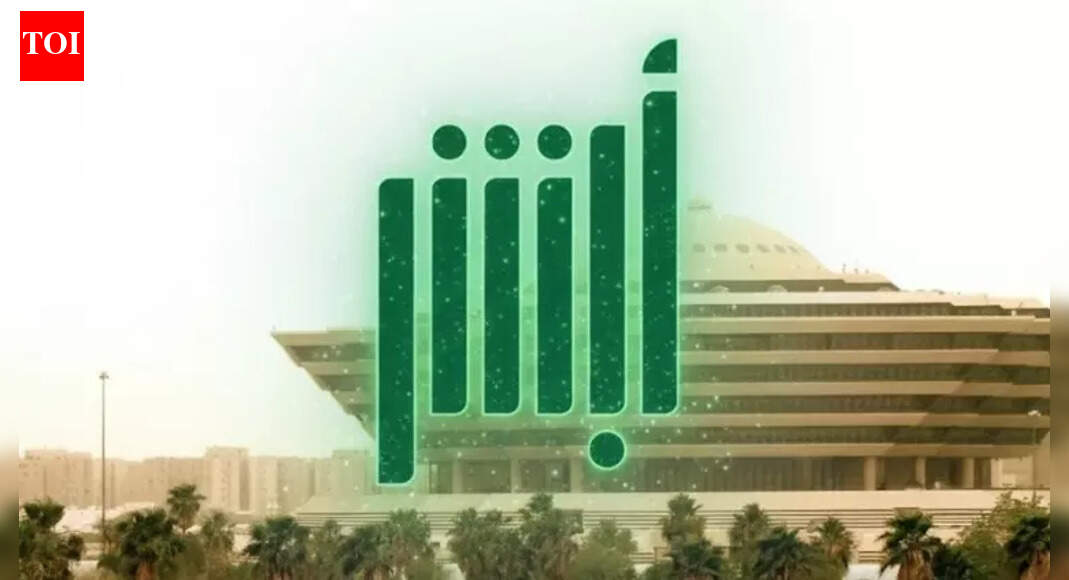
Absher powers new five-year Resident ID system / Image: File

Saudi Arabia introduced a new “Resident ID” system that replaces the old annual residency-renewal routine with a single, five-year card and a simplified online workflow. Officials and local outlets say the move will dramatically cut visits to passport and residency offices for over 13 million residents, reduce waiting times and move most transactions onto the Absher / e-services platforms.

Why does the 5-year Saudi Resident ID matter?

The core benefit is practical: instead of renewing an Iqama every year (and standing in long lines), residents will get a card valid for five years and renew digitally via Absher. Reports estimate this will eliminate tens of millions of annual visits to government counters and save households and the economy substantial time and cost. Fees mentioned in local coverage put the one-time five-year cost at roughly SAR 500 for adults and SAR 600 for domestic workers, replacing repeated annual payments.

Absher: Saudi ’s digital government platform

Absher is Saudi Arabia’s official digital platform that allows residents and citizens to access government services without visiting physical offices. Operated by the Ministry of Interior, it connects more than 350 services from different government entities in one place.Through Absher, users can renew residency permits, update personal information, pay government fees, book appointments, track applications, and receive official documents through registered postal addresses. It works across web and mobile apps, and every user has a secure digital profile linked to their identity.Absher has become one of Saudi Arabia’s most important digital-government tools, handling millions of transactions every day and reducing paperwork, queues, and in-person visits. The new Resident ID system relies on Absher as the main portal for issuing, renewing and managing the five-year ID, making the process fully online and significantly faster.

How does the new system work?

The rollout is tied to Saudi’s digital services: applicants will be able to request and manage the Resident ID through Absher and related government platforms. The new ID is designed to work as a trusted digital identity (usable in transactions and verifications), and the authorities ask residents to register a postal address through the “Wasil”/“Wasil Digital” (Waṣil) mail service so official documents and the physical card are delivered reliably. The interior ministry’s e-services page has long supported the electronic issuance and renewal of resident documents, the new plan makes that the standard.

Bigger picture

This monumental policy shift is not just about convenience; it is a core pillar of Saudi Arabia’s ambitious Vision 2030. The comprehensive strategy aims to modernize the government structure and transition the Kingdom into a global digital leader. By eliminating the time-consuming annual renewal cycle, the government expects to cut out an astonishing 65 million annual visits to public service offices over the next five years. This reduction in administrative clutter translates directly into massive economic gains. Experts predict the new electronic system will save the national economy over 2.6 billion Saudi Riyals by dramatically reducing wasted time and boosting overall productivity. Dr. Khalid, a Digital Government Expert, lauded the change, describing it as a “qualitative leap, like moving from using copper coins to adopting bank cards.” Go to Source


Hot this week

A life in 75 milestones: Network18 presents PM Narendra Modi a special edition book at Rising Bharat 2026

A richly researched special edition book traces the Prime Minister’s journey from Vadnagar to the world stage Go to Source Read More

‘No reaction for 50 minutes’: Military analyst Tom Cooper on Op Sindoor’s element of surprise

When India struck terrorist facilities in Pakistan and Pakistan Occupied Jammu and Kashmir (POJK) in ‘Operation Sindoor’, the element of surprise was such that Pakistan’s military could not mount a response for 50 minutes, military analyst Tom Cooper Read More

Rising Bharat Summit: Expert warns Iran holds multiple retaliation options as Israel, US launch strikes

As open hostilities broke out between Iran and the US-Israel axis on Saturday, a stark warning emerged from News18’s Rising Bharat Summit—Tehran holds multiple levers of retaliation, and events may no longer be in Washington or Tel Aviv’s control. Read More

World reacts after US joins Israel in striking Iran; Lebanon PM warns against escalation

World leaders react after U.S.–Israel strikes on Iran, with Russia slamming the attacks and Norway raising questions over international law. Read More

‘Unlike Venezuela, Trump can’t control Iran’s response’: Historian Adrien Fontanellaz on why Iran will be difficult

Unlike the invasion of Venezuela or last year’s attack on Iran, the ongoing offensive against Iran will be much more difficult as President Donald Trump will not be able to predict or control Iran’s retaliation, military historian Adrien Read More

Topics

A life in 75 milestones: Network18 presents PM Narendra Modi a special edition book at Rising Bharat 2026

A richly researched special edition book traces the Prime Minister’s journey from Vadnagar to the world stage Go to Source Read More

‘No reaction for 50 minutes’: Military analyst Tom Cooper on Op Sindoor’s element of surprise

When India struck terrorist facilities in Pakistan and Pakistan Occupied Jammu and Kashmir (POJK) in ‘Operation Sindoor’, the element of surprise was such that Pakistan’s military could not mount a response for 50 minutes, military analyst Tom Cooper Read More

Rising Bharat Summit: Expert warns Iran holds multiple retaliation options as Israel, US launch strikes

As open hostilities broke out between Iran and the US-Israel axis on Saturday, a stark warning emerged from News18’s Rising Bharat Summit—Tehran holds multiple levers of retaliation, and events may no longer be in Washington or Tel Aviv’s control. Read More

World reacts after US joins Israel in striking Iran; Lebanon PM warns against escalation

World leaders react after U.S.–Israel strikes on Iran, with Russia slamming the attacks and Norway raising questions over international law. Read More

‘Unlike Venezuela, Trump can’t control Iran’s response’: Historian Adrien Fontanellaz on why Iran will be difficult

Unlike the invasion of Venezuela or last year’s attack on Iran, the ongoing offensive against Iran will be much more difficult as President Donald Trump will not be able to predict or control Iran’s retaliation, military historian Adrien Read More

Iran Says 36 Students Killed In Girls’ School After US-Israel Strikes

Joint strikes by the United States and Israel hit several locations across Iran, with some of the early attacks reported near offices linked to Supreme Leader Ayatollah Khamenei. Read More

Top Iran IRGC Commander Mohammad Pakpour Killed In Strikes Amid Escalating Conflict: Report

Israeli officials believe IRGC Commander-in-Chief Mohammad Pakpour was killed amid escalating Israel-Iran tensions, though Tehran has not confirmed his status. Read More

Global Reaction To US-Israel Strikes On Iran: ‘Preventive Strike Not In Line With International Law’

Israel and US launched coordinated strikes on Iran, prompting global criticism, airspace closures, flight disruptions, and warnings of retaliation as world leaders urge restraint. Read More

Related Articles