


Saudi-India deal eases short-term UAE visa travel / Image: File
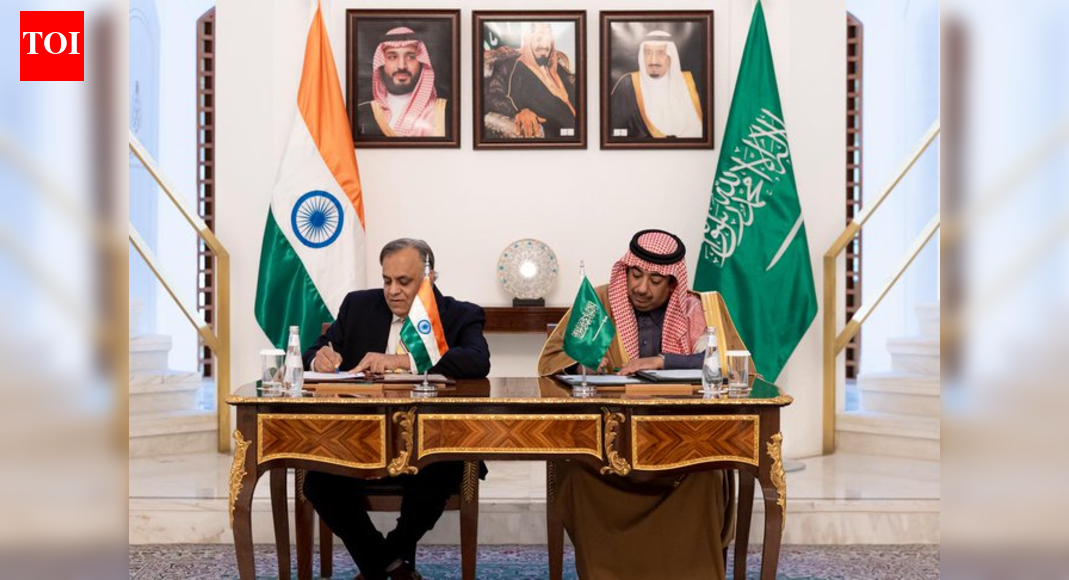
The diplomatic ties between New Delhi and Riyadh have reached a new milestone. In a significant move to cut through bureaucratic red tape, India and Saudi Arabia have officially signed a mutual agreement that exempts specific passport holders from short-stay visa requirements. Signed at the Ministry of Foreign Affairs headquarters in Riyadh, this deal is designed to make the “official” handshake between the two nations much more frequent and seamless.
What is the Saudi-India visa exemption agreement?
Saudi Arabia and India have signed a mutual short-stay visa exemption agreement that allows holders of diplomatic, special and official passports from both countries to travel between Riyadh and New Delhi without needing a short-stay visa. This change was formalized in a ceremony in Riyadh, where Saudi Deputy Minister of Foreign Affairs for Protocol Affairs Abdulmajeed Al-Smari signed the agreement on behalf of Saudi Arabia, and Indian Ambassador Dr. Suhel Ajaz Khan signed for India. The agreement signifies a step forward in bilateral relations, making official travel easier for government, diplomatic and special envoys, and reflects the growing trust and cooperation between the two nations.
Who benefits from the visa deal?
This visa exemption does not apply to ordinary tourists or business travellers yet, it’s specifically for holders of:
- Diplomatic passports
- Special passports (often for high-ranking government officials)
- Official passports (used by civil servants on state business)
People holding these passport types will now be able to enter each other’s countries for short stay periods without applying for a visa in advance, allowing faster and smoother travel for official duties and diplomatic engagements.While ordinary travellers still require visas (such as tourist or business visas), this agreement lays groundwork that may influence future travel ease. Analysts note such moves often foster closer policy dialogue and potentially broader travel cooperation later on.
Why does this matter for India-Saudi relations?
This agreement comes at a time when India and Saudi Arabia are deepening strategic, economic and diplomatic ties. Bilateral relations between the two countries have been expanding across trade, defense, cultural exchange and high-level visits. A recent example is the expansion of the Saudi-Indian Strategic Partnership Council, which includes cooperation on defense, tourism, global forums, trade and scientific collaboration.By simplifying travel for officials and diplomats, the new visa exemption:
- Encourages more frequent high-level discussions
- Supports faster execution of bilateral programs and projects
- Signals mutual confidence and shared priorities between the governments
For citizens, this means smoother coordination on policies that impact business, defense, culture and international cooperation. It also reflects a broader trend of stronger India-Gulf ties, particularly important given the large Indian diaspora and expanding trade links.While this agreement doesn’t yet cover ordinary tourist or business visas, it sets an important precedent. Experts believe that mutual diplomatic trust often leads to wider visa facilitation policies in the future, potentially benefiting students, professionals, tourists and families. The move also aligns with both countries’ interests in stronger economic engagement, with India being one of Saudi Arabia’s fastest-growing trade partners, and Saudi Arabia investing in infrastructure and energy sectors in India.As ties continue to grow, this mutual exemption may serve as a stepping stone toward broader travel cooperation that could make travel between the two populous nations more fluid and beneficial for citizens over time. Go to Source