
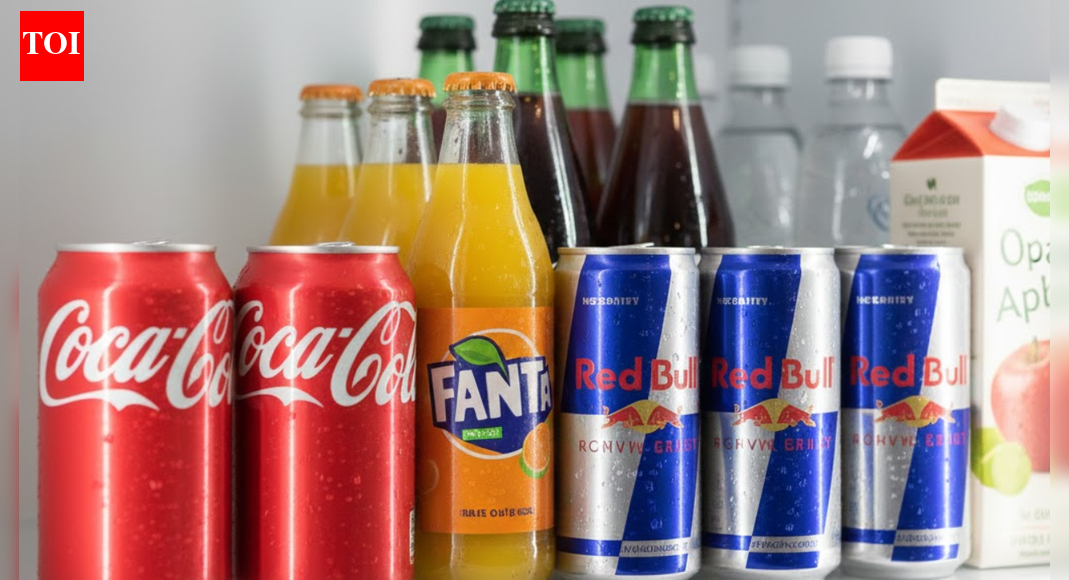


Starting January 1, 2026, Saudi Arabia taxes sweetened beverages by sugar content, using four-tier system/Representative Image
Imagine reaching for your favorite soda next week and noticing the price is higher than usual. That’s because Saudi Arabia is introducing a new four-tier excise tax on sweetened beverages starting January 1, replacing the old flat 50 percent tax. Drinks with higher sugar content will now face steeper taxes, while sugar-free or low-sugar beverages will cost less. The Zakat, Tax and Customs Authority (ZATCA) says the move is designed to reduce sugar consumption, encourage healthier choices, and align with GCC public health initiatives.
Moving from flat tax to sugar- based system
Until now, sweetened beverages in Saudi Arabia were taxed at a fixed rate of 50 percent of the retail price. Under the new system, the excise tax will be calculated based on the total sugar content per 100 milliliters of a beverage. This change ensures that beverages with higher sugar concentrations are taxed more heavily, while sugar-free or low-sugar drinks benefit from reduced or zero tax.ZATCA’s Board of Directors approved amendments to the executive regulations of the Excise Goods Tax Law to implement this method. The authority emphasized that the goal is to encourage producers and importers to offer lower-sugar beverages and promote healthier consumption patterns, following international best practices.
The four-tier tax structure
The new system classifies sweetened beverages into four brackets according to their sugar content:
- Tier 1 – Artificially Sweetened Beverages: Drinks containing only artificial sweeteners and no added sugar.
- Tier 2 – Low-Sugar Beverages: Drinks with less than 5 grams of sugar per 100 ml.
- Tier 3 – Medium-Sugar Beverages: Drinks containing 5 to 7.99 grams of sugar per 100 ml.
- Tier 4 – High-Sugar Beverages: Drinks with 8 grams or more of sugar per 100 ml.
The excise tax will apply to all forms of sweetened beverages, including ready to drink drinks, concentrates, powders, gels, and extracts that can be converted into a beverage.Also Read: UAE to tax drinks by sugar level from January 2026: Here’s what you’ll pay under the new system
Public health and GCC alignment
ZATCA highlighted that the reform is part of a broader public health strategy aimed at reducing sugar consumption and related health risks. By linking tax rates to sugar content, the system incentivizes manufacturers and importers to produce beverages with lower sugar levels, making healthier options more affordable for consumers.The reform also aligns with a decision by the Gulf Cooperation Council’s Financial and Economic Cooperation Committee to implement a volumetric, tiered excise tax system on sweetened beverages across member states. This reflects a regional effort to address the growing health concerns associated with high sugar intake.
What consumers and producers can expect
- Consumers may notice price differences, with higher-sugar beverages becoming relatively more expensive.
- Producers and importers are encouraged to reformulate products to reduce sugar content, potentially avoiding higher tax brackets.
- The change strengthens Saudi Arabia’s commitment to healthier consumption patterns, reflecting international trends in sugar taxation and public health.
With this four-tier system, Saudi Arabia is taking a major step toward reducing sugar consumption while encouraging manufacturers to rethink how sweetened beverages are produced and marketed.
UAE also rolls out sugar-based beverage tax
The UAE has announced the implementation of a sugar-based excise tax on beverages starting January 1, 2026. Like Saudi Arabia, drinks will be taxed according to sugar content, encouraging lower-sugar options and supporting GCC efforts to reduce sugar consumption and promote healthier choices across the region.