Two hundred years ago, you wouldn’t have been able to find them outside of South America. But since then, Nutria, one of the world’s largest rodents, has taken over US. These rodents were initially brought to North America in the late 19th and early 20th centuries, primarily for fur farming, since their soft underfur was valuable in the fur trade.They first took hold when they were brought to Avery Island, a swampy coastal part of Louisiana 30 miles south of Lafayette and the production site for Tabasco brand hot sauce. Many were bred and kept in fur farms or released and regularly trapped.But when the fur market collapsed after the 1940s, many were released or escaped into the wild, establishing feral populations. The invasive creatures began damaging the environment, prompting state officials to take action to curb the population. The species was declared eradicated from California by the late ’70s.After that, officials did not detect any evidence of nutria in the state for years. Then, in 2017, they found a pregnant female in Merced County. Concerted eradication efforts have been underway ever since, with wildlife managers using visual observation surveys, motion-detection cameras and scat-detection sniffer dogs to locate and trap the creatures. Since the rediscovery, they’ve captured 7,841 nutria. The state says it’s now spending about $5 million per year on eradication efforts.
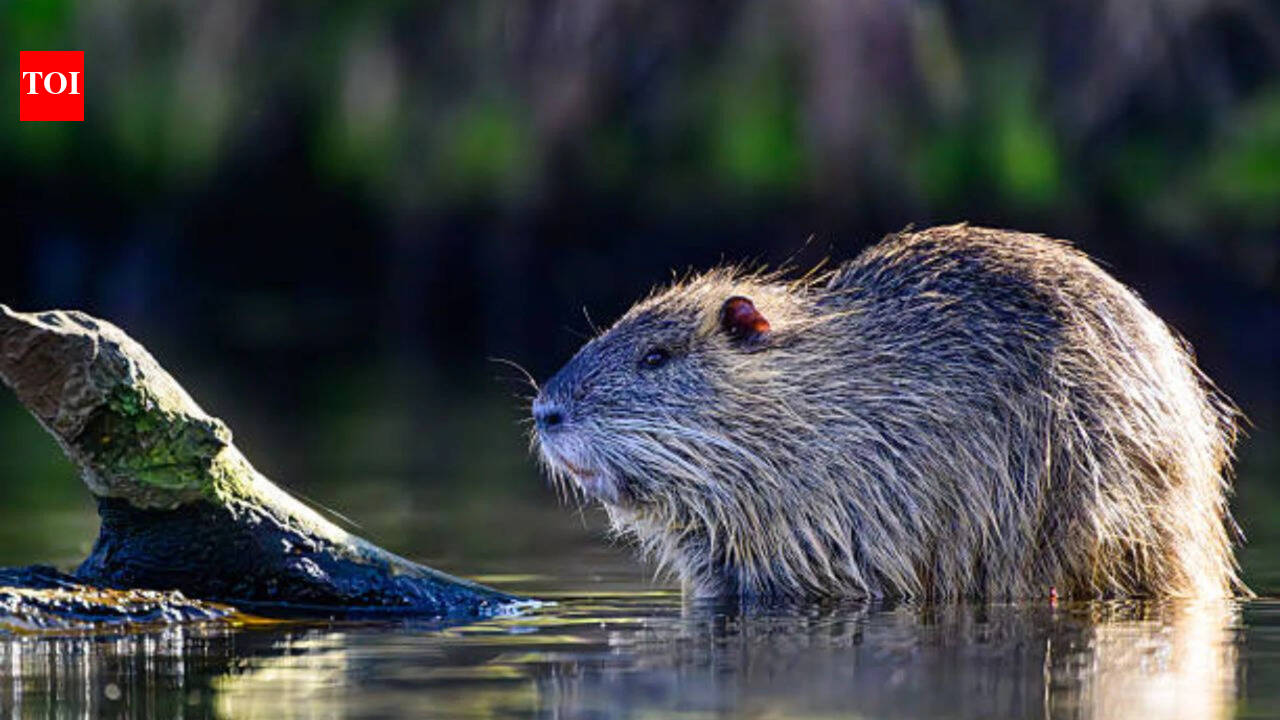
One of the world's largest rodents was imported for fur farming in North America; today it's devastating wetlands and riverbanks across US
One of the world’s largest rodents was imported for fur farming in North America; today it’s devastating wetlands and riverbanks across US
Previous article
Next article