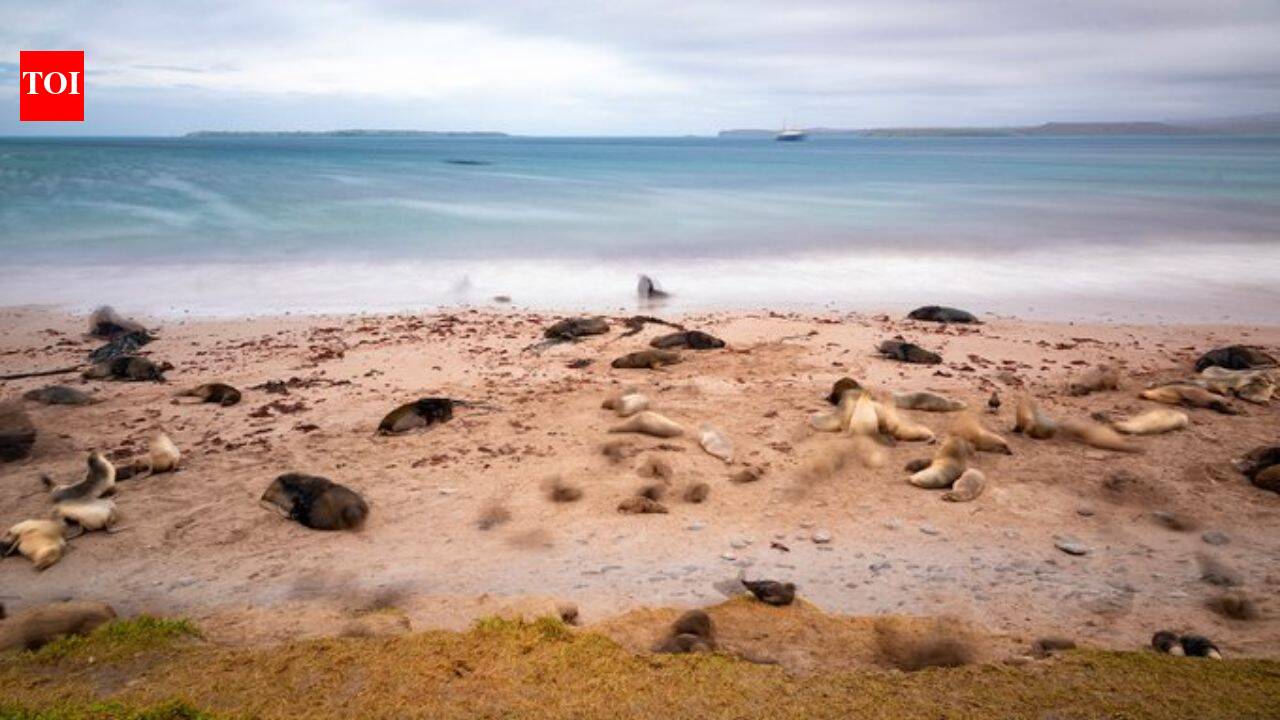

New Zealand has launched one of the largest ecological restoration projects in its history along with the Maori natives of the country. It is attempting to eliminate invasive mammals from three islands in order to revive the native birds, marine animals and land.The project will be taking place in Maukahuka/Auckland Island, Rakiura/Stewart Island and the Chatham archipelago. According to the New Zealand Department of Conservation, the package brings together the government, local communities and indigenous organisations. The DOC reported that the three projects have an estimated cost of NZ $202 million, have already received NZ $54 million from the government and still require significant funding mobilisation. The same initiative states that each of these islands is 4 to 15 times larger than the largest island the country has managed to clear of pests to date.
Arrival of predators, vanishing of natives
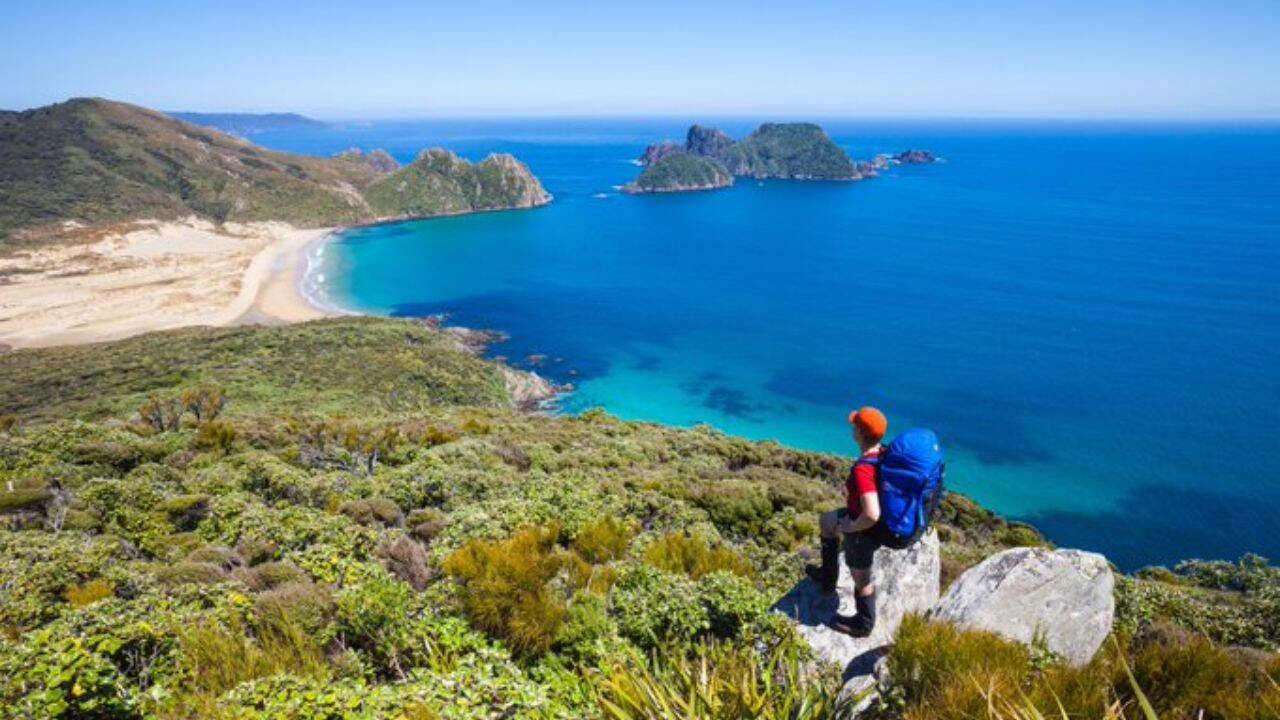
In Rakiura, the project aims to remove feral cats, rats, possums and hedgehogs.
For millions of years, New Zealand’s flora and fauna flourished in isolation, without the presence of terrestrial mammalian predators. According to Island Conservation, this process created a unique yet extremely vulnerable ecosystem, in which many birds began nesting on the ground, lost the ability to fly or did not develop effective escape responses against such threats. Over the years, as rats, mice, feral cats, pigs, possums and hedgehogs were introduced on the islands, this balance was disrupted. A place of natural refuge turned into a hostile playground for the native species. In the case of Maukahuka/Auckland Island, DOC stated that the island home to more than 100 species found nowhere else in the world, is now threatened by mice, pigs and feral cats.In Rakiura, the project aims to remove feral cats, rats, possums and hedgehogs. According to Predator Free Rakiura, the island is the third largest in New Zealand, with about 90% of its territory in public conservation areas and is surrounded by smaller islands already free of pests, where seabird populations are recovering.In the Chatham archipelago, the goal is to advance the removal of possums and feral cats in key parts of the island system.Each of the three areas entered the plan for specific biological and ecological reasons. According to the DOC and Island Conservation, the vision for Maukahuka includes the return of subantarctic megaherb landscapes, while Rakiura is treated as a candidate for a future refuge for the kākāpō, one of the rarest birds on the planet. The Chatham Islands appear as a critical area for seabirds, including the tāiko and different species of albatross.
Māori and Moriori leadership at the centre
The restoration of these islands was not presented solely as an environmental action. According to DOC, Rakiura and Maukahuka all lie within the traditional territory of Ngai Tahu and the role of kaitiaki or guardians of these lands is being treated as the central element in this project. The agency also states that the current work was made possible by previous success on smaller islands around Rakiura.In the case of Chatham, the arrangement includes participation from the Hokotehi Moriori Trust and Ngati Mutunga o Wharekauri along with local entities and the government itself.