
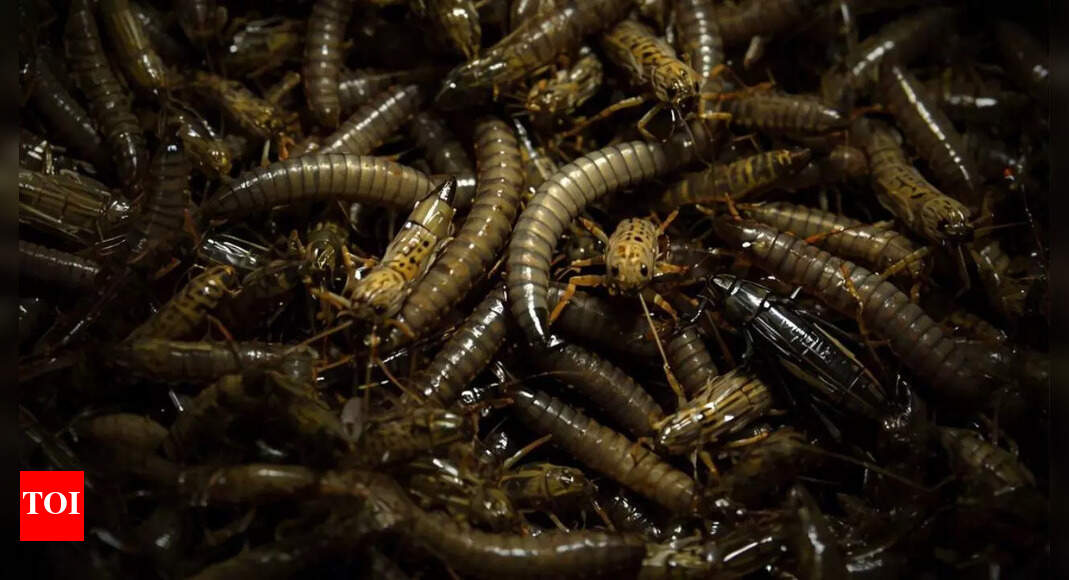


The future of astronaut meals may soon involve a surprising ingredient: insects. As NASA plans longer missions to the Moon and Mars, researchers are exploring food sources that are compact, nutritious and sustainable. According to a NASA study on aquatic invertebrate protein sources for long-duration space travel, insects such as mealworms and crickets could provide astronauts with protein, vitamins and minerals while using far fewer resources than conventional food systems. Scientists believe these small but mighty creatures could play a vital role in creating self-sustaining food cycles, ensuring astronaut health and efficiency during future deep-space missions.
Why NASA is studying edible insects for space travel
Traditional astronaut food has come a long way since the early days of freeze-dried meals and powdered drinks. However, for multi-year missions to Mars, resupplying from Earth is not an option. NASA is testing alternatives that can be grown, recycled, and consumed within closed systems.Insects like mealworms and crickets are ideal for such environments. They reproduce rapidly, thrive on minimal feed, and can convert organic waste into edible biomass. According to ESA’s research team, mealworms contain nearly the same protein density as beef but require a fraction of the water and space to grow. This efficiency makes them an attractive solution for space farming.
How insects could be farmed in space
The next step for NASA and its European partners is to determine how insects can survive and reproduce in microgravity. Scientists are testing controlled habitats where mealworms and crickets can be bred safely, with waste and plant matter recycled as feed.These mini “space farms” could function as part of a closed-loop ecosystem, where every output becomes an input, insect waste fertilising plants, and plant waste feeding the insects. The goal is to create a sustainable, renewable food cycle suitable for long-duration space missions.Researchers are also developing compact devices that could automatically process insects into powders or protein bars, reducing psychological barriers for astronauts unused to eating bugs directly.
Nutritional benefits of mealworms and crickets for astronauts
Mealworms and crickets are rich in protein, iron, calcium, and essential amino acids. They also contain healthy fats and fibre, making them nutritionally comparable to animal meat. Crickets, in particular, are known for their high levels of B vitamins, while mealworms provide beneficial fatty acids that help maintain muscle and energy levels in microgravity.Their high nutrient density means astronauts could consume smaller quantities while still meeting dietary requirements. This could save valuable space and weight, two of the biggest challenges in long-term space exploration.
Sustainability advantages for Earth and space
While NASA’s interest is primarily practical, insect-based diets also carry strong environmental benefits. On Earth, insect farming generates fewer greenhouse gases and uses significantly less water than livestock production.As global food demand grows, many scientists view insect protein as a sustainable alternative for both terrestrial and extraterrestrial consumption. The technologies developed for space farming could later support food production in resource-scarce regions on Earth.
Challenges before insects reach the astronaut menu
Despite the promise, NASA and ESA face several hurdles before mealworms or crickets become part of official astronaut diets. The effects of microgravity on insect reproduction and nutrient composition are still not fully understood. Food safety, taste, and long-term storage also require further research.There are also psychological considerations. Many astronauts come from cultures where eating insects is uncommon. Future missions may focus on incorporating insect protein in processed forms, such as pasta, crackers, or protein bars, rather than whole insects.
What insect-based space food could look like
If the technology succeeds, future astronauts could enjoy foods made from cricket flour, mealworm paste, and other high-protein derivatives. These ingredients could be blended into breads, soups, or snack bars. Some experimental recipes are already being tested at research centres on Earth.The long-term goal is a menu that is balanced, sustainable, and appealing, offering both comfort and nutrition without the need for costly resupply missions.NASA’s exploration of mealworms and crickets is more than an experiment in alternative protein; it represents a shift towards truly sustainable space living. Insects could help astronauts produce food, recycle waste, and remain healthy during missions that last years instead of months.It may seem futuristic, but the day an astronaut bites into a cricket-based protein bar on Mars might not be far away. What begins as a practical solution in space could soon transform how we think about food back on Earth, too.Also read| Blue Origin postpones New Glenn Rocket launch due to weather: NASA ESCAPADE Mars Probes now set for 12 November 2025 Go to Source