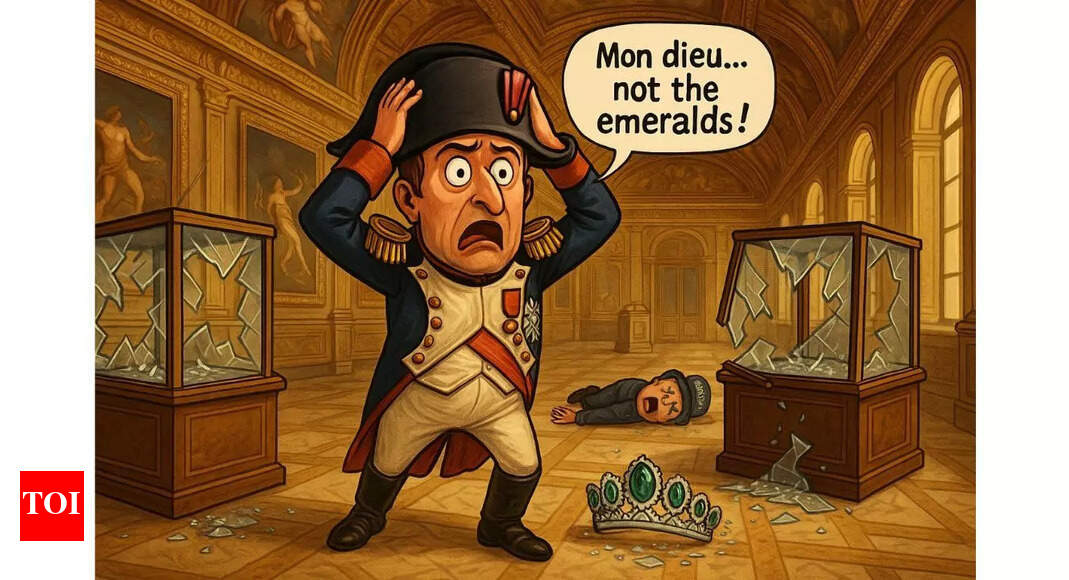

The Louvre is used to tourists queuing at dawn, not thieves scaling its walls. Yet, on a crisp October morning in Paris, four masked intruders did just that — pulling up beside the Seine, extending a ladder, and slipping through a second-floor window into the Galerie d’Apollon. In under five minutes, they smashed two display cases, grabbed eight of France’s most treasured pieces of jewellery, and vanished into the city before police even arrived.The robbery, swift and surgical, has sent shockwaves through the art world — not just because of its audacity, but because of what was taken. These weren’t mere ornaments. They were fragments of France’s royal and imperial past: relics of queens and empresses, symbols of dynasties, and witnesses to centuries of political upheaval.Here’s a look at each of the eight pieces stolen — and the remarkable stories they carry.
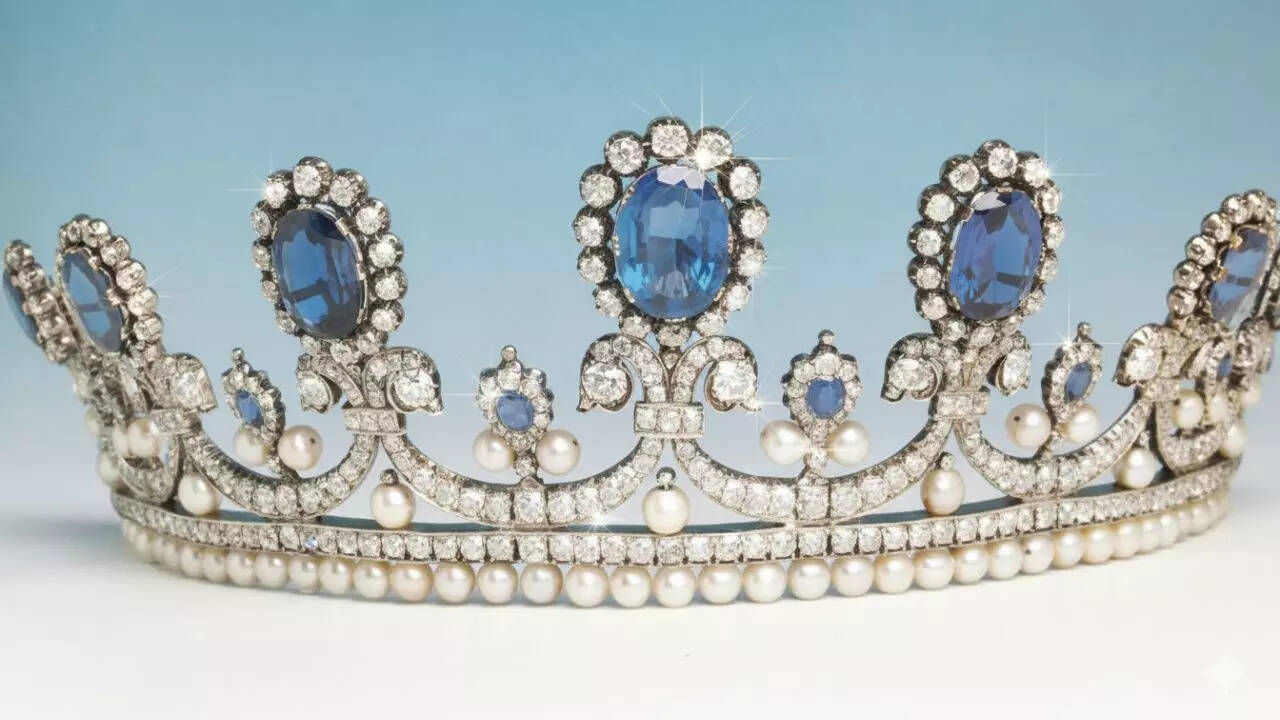
1. Tiara from the Sapphire Parure of Queen Marie-Amélie and Queen Hortense
This dazzling tiara once adorned the heads of French royalty. It formed part of a sapphire parure — a coordinated set of jewels — that belonged to Queen Marie-Amélie, the last queen of France, and Queen Hortense, stepdaughter of Napoleon Bonaparte. Commissioned in the early 19th century, the tiara symbolised continuity and legitimacy at a time when France was struggling to stabilise its monarchy after revolution and empire. Its intricate craftsmanship and deep-blue stones embodied the prestige and political weight of the crown.
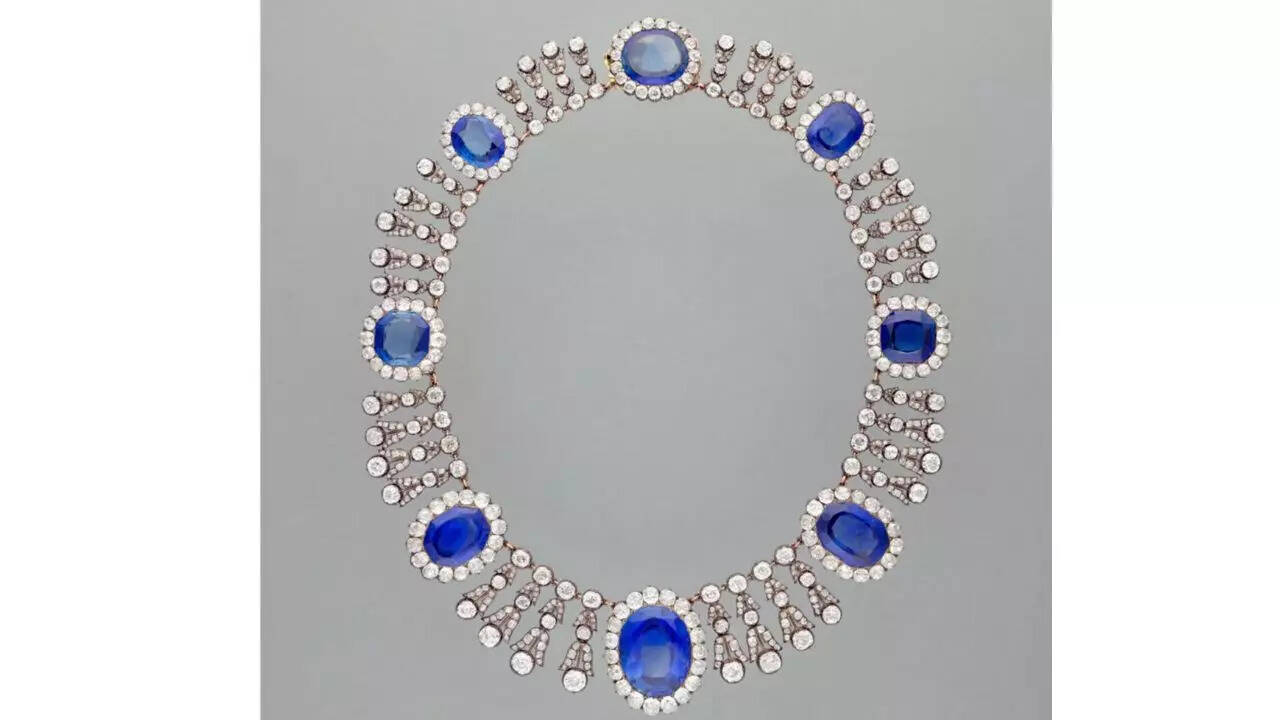
2. Necklace from the same Sapphire Set
If the tiara was the crown’s halo, the necklace was its heart. Worn during royal ceremonies and portraits, this necklace completed the parure and reinforced the visual power of monarchy. Such sets were more than decorative — they were political statements, designed to showcase the strength, wealth, and lineage of the royal family. Losing this piece not only diminishes the set’s value but also erases part of a carefully constructed image of royal authority.
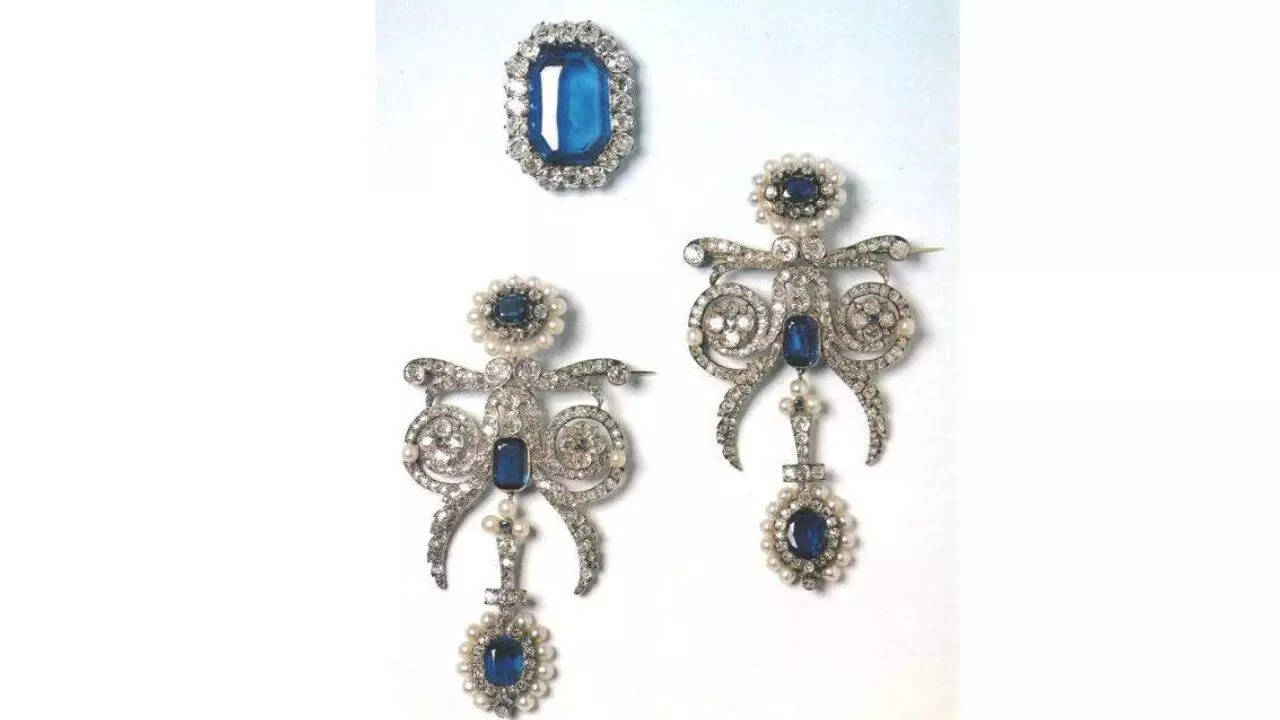
3. Earring from the Sapphire Set
The thieves’ decision to take only one of the pair of earrings may seem curious, but it’s devastating for historians and curators. Royal jewellery sets were designed as complete ensembles, and the removal of even one piece leaves the collection fragmented and historically incomplete. This lone earring, once part of a symmetrical whole, now represents a broken link to a vanished era of French monarchy.
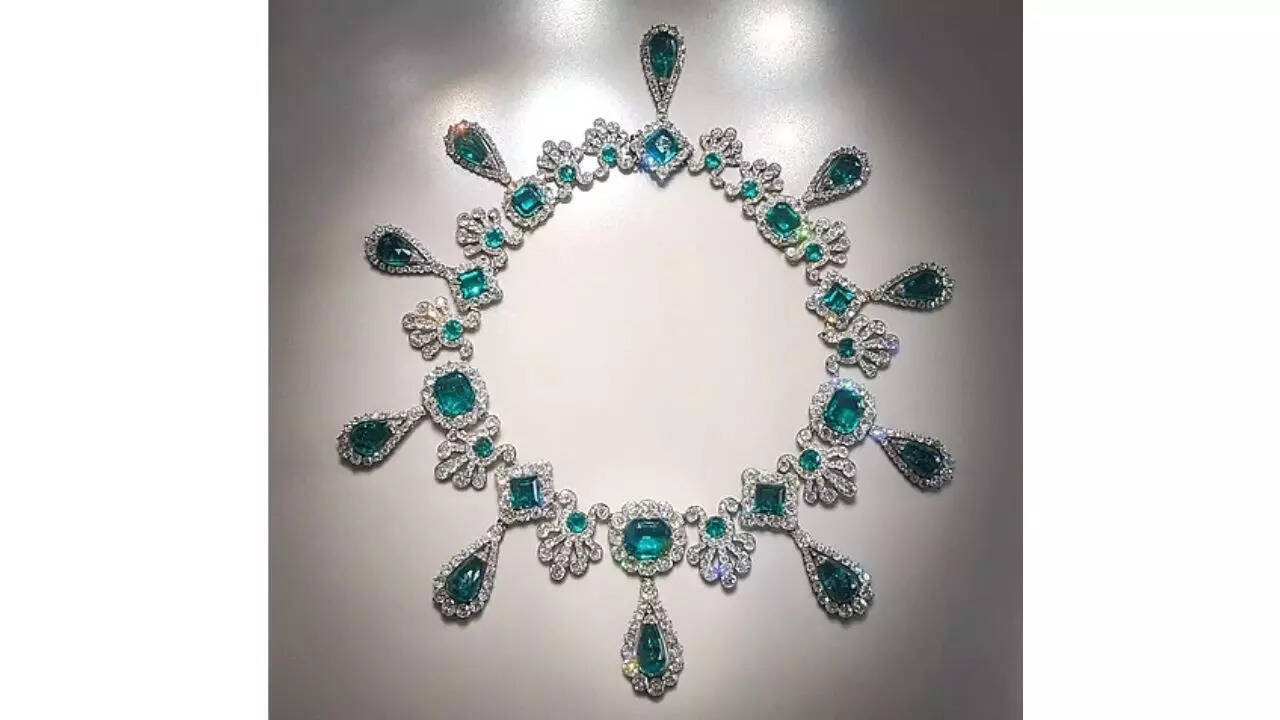
4. Emerald Necklace from the Marie-Louise Set
Commissioned for Empress Marie-Louise, the second wife of Napoleon Bonaparte, this necklace was part of an emerald parure celebrating her marriage and the birth of a new imperial dynasty. The vivid green stones symbolised rebirth and renewal — fitting motifs for a regime trying to legitimise itself after the chaos of revolution. Marie-Louise wore the parure at state events and portraits, where it helped craft the image of a sophisticated, stable empire under Napoleon’s rule.
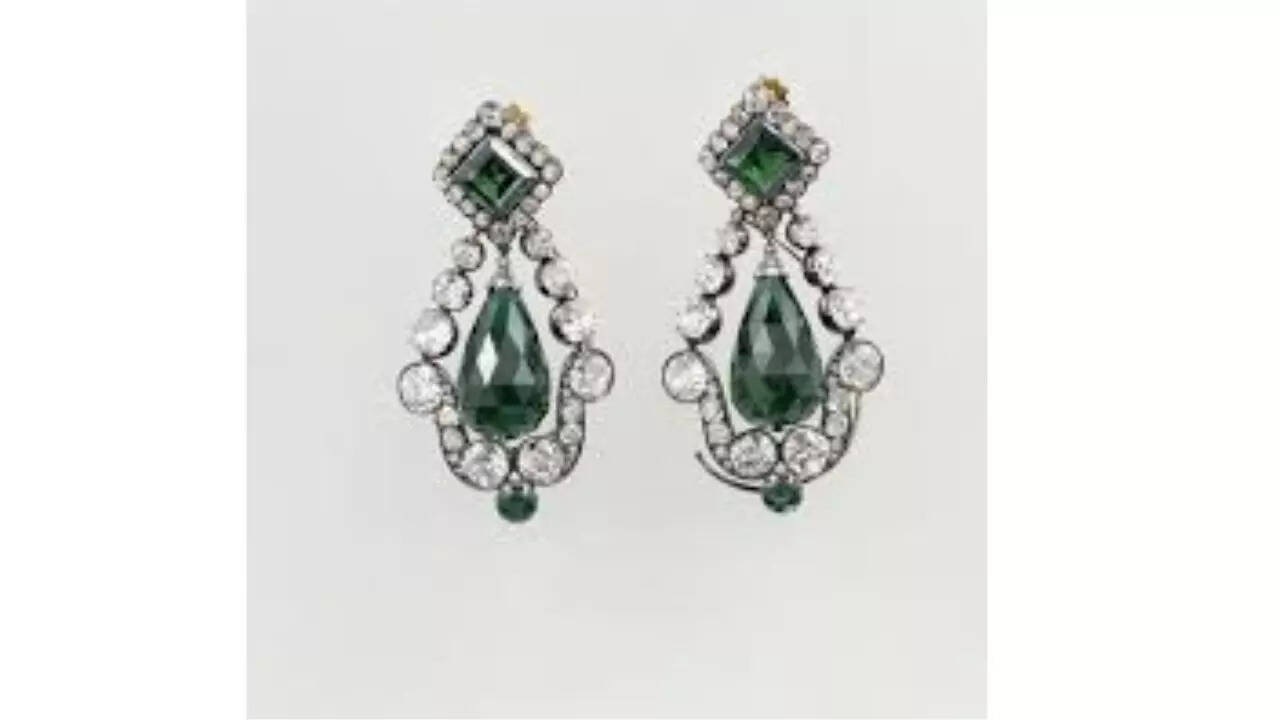
5. Pair of Emerald Earrings from the Marie-Louise Set
Completing the ensemble were a pair of matching earrings, emblematic of Napoleonic opulence and the power of visual propaganda. The emerald parure as a whole embodied the empire’s ambition to rival and surpass Europe’s old monarchies. Today, their theft is more than a loss of gemstones — it’s a blow to the historical narrative of a regime that shaped 19th-century Europe.
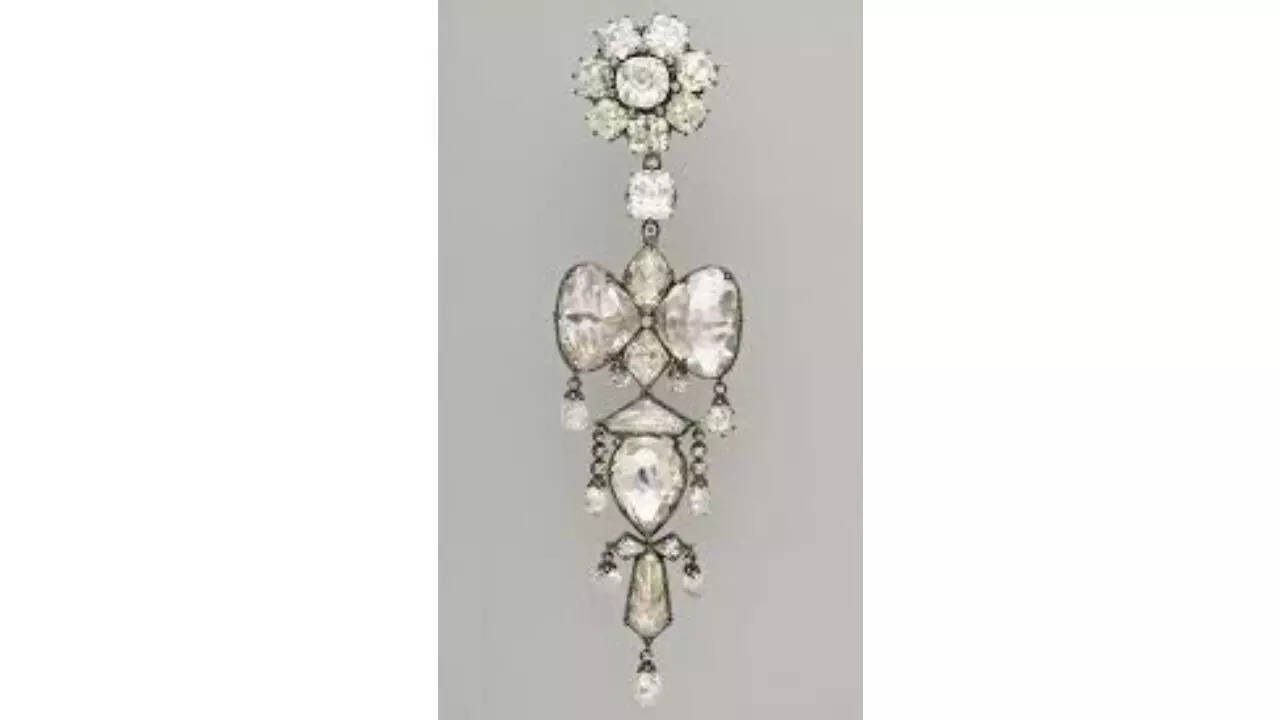
6. The Reliquary Brooch
This brooch, known for its devotional symbolism, blurs the line between faith and power. “Reliquary” suggests it may have once held a sacred relic, highlighting how monarchs intertwined religion with their legitimacy. Worn at ceremonial occasions, the piece reflected the belief that divine sanction and royal authority were inseparable. Its theft removes a rare example of this spiritual-political fusion from public view.
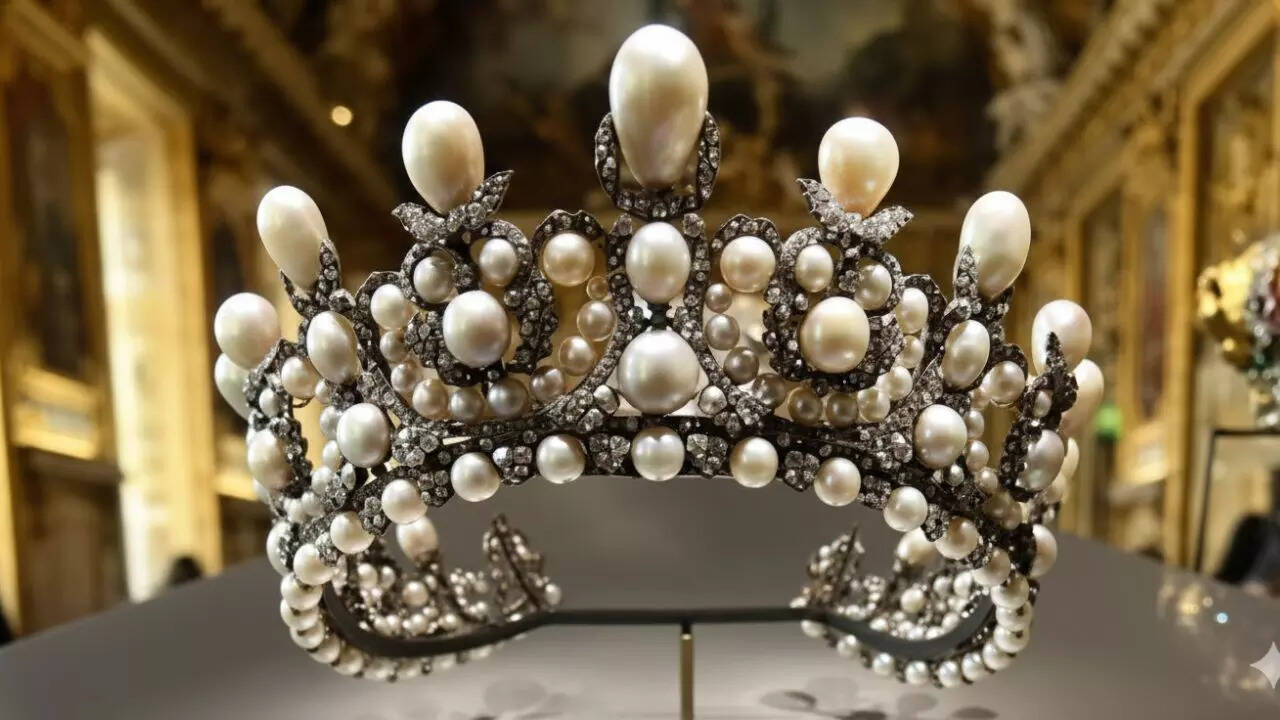
7. Tiara of Empress Eugénie
No jewel in the Louvre’s collection was more closely associated with imperial glamour than this tiara, worn by Empress Eugénie, wife of Napoleon III. Eugénie was a fashion icon of her era, setting trends across Europe and America, and her jewellery was central to that influence. This tiara, sparkling with diamonds and emeralds, symbolised the wealth and confidence of the Second Empire. Its disappearance is a significant cultural loss — not just of a crown, but of an era defined by spectacle, style, and imperial ambition.
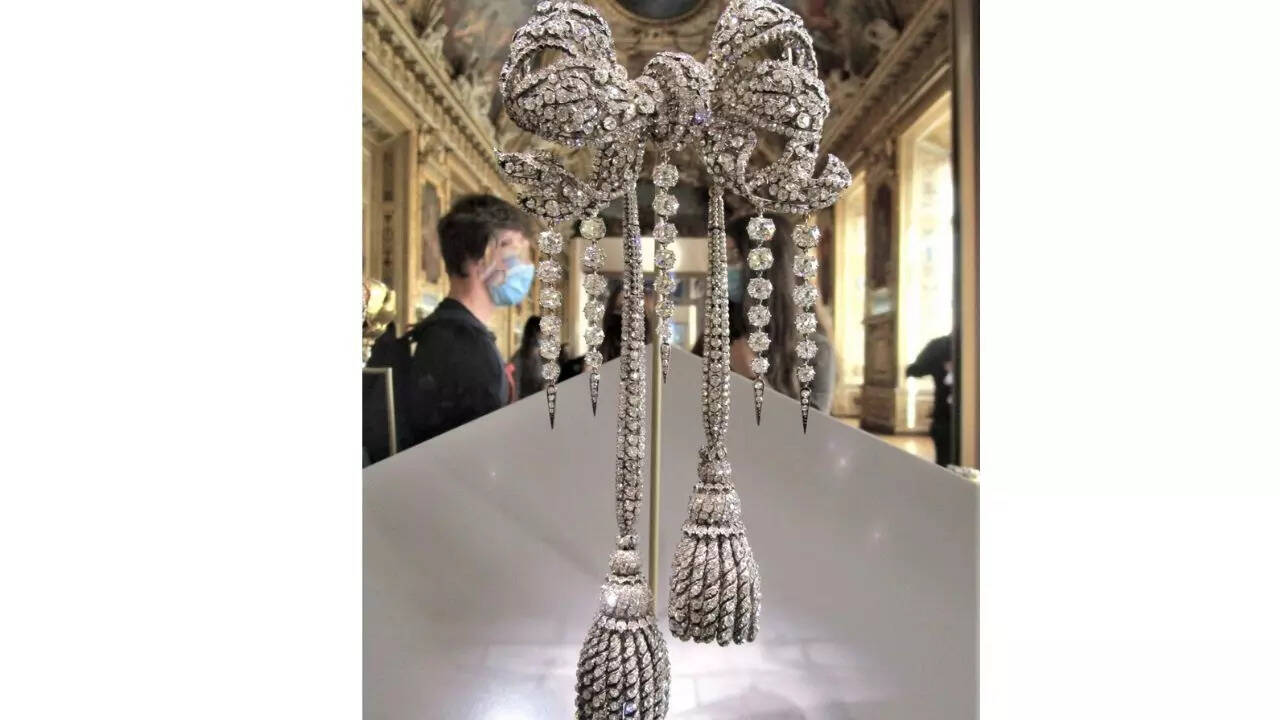
8. Large Bodice Knot (Brooch) of Empress Eugénie
The final stolen piece was a bodice ornament, worn at the centre of Eugénie’s gowns during court functions. Far from being a mere accessory, it was designed to draw the eye — a visual metaphor for the centrality of imperial power. Like the tiara, it was part of a larger set that projected the authority and sophistication of the French Empire in its final flourish before the fall of Napoleon III.
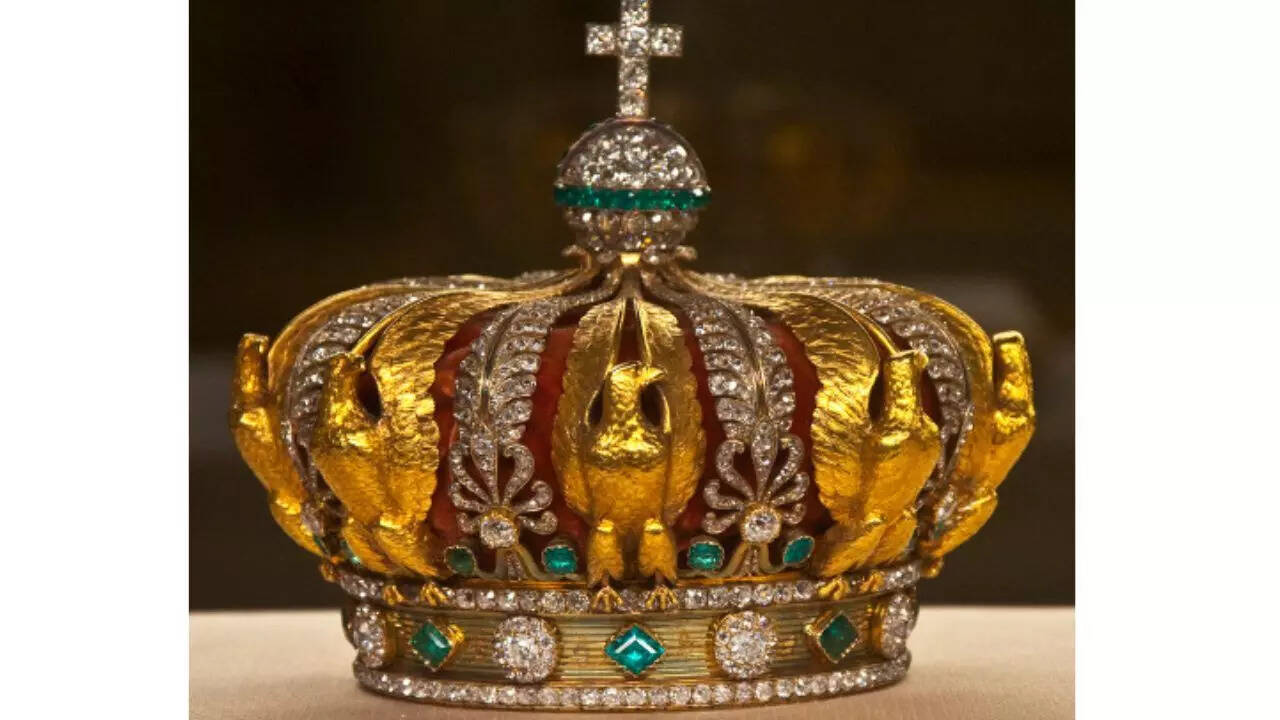
The one that got away
In their haste, the thieves dropped one additional piece: the crown of Empress Eugénie, a masterpiece of gold, diamonds, and emeralds. Police found it discarded outside the museum, suggesting it may have been too heavy or cumbersome to carry during their escape. Its survival is a small consolation in an otherwise devastating blow to France’s cultural heritage.
The legacy of the Apollo Gallery
The crime scene itself — the Galerie d’Apollon — is almost as storied as the jewels. Built in the 17th century on the orders of Louis XIV after a fire, the gallery was designed to glorify the “Sun King,” with Apollo, the god of light, as its mythic muse. Its gilded ceilings and luminous paintings inspired the Hall of Mirrors at Versailles and became a stage for displaying the splendour of the French state. Housing the crown jewels here was no accident: it was meant to remind visitors that France’s past, like its art, was radiant and enduring.
Why the heist matters
This was not just a museum robbery — it was an assault on history. These jewels are more than precious stones; they are physical links to France’s monarchies, empires, revolutions, and cultural revolutions. They tell the story of how power was performed, legitimised, and remembered. Their theft tears holes in that story, leaving future generations with fewer ways to see and touch their past.The Louvre has faced theft before, but this heist is different. It wasn’t a crime of opportunity — it was a calculated operation targeting pieces of immense historical resonance. And it serves as a sobering reminder: even the most secure museums are not invulnerable, and the treasures that define our civilisations can vanish in minutes.In the end, the Louvre robbery is less about eight missing jewels than about what those jewels meant. They were symbols of power and beauty, of dynasties that rose and fell, of a nation that has reinvented itself more times than any other. And for now, they’re gone — hidden somewhere beyond the reach of glass cases and security cameras, their stories waiting to be told again. Go to Source