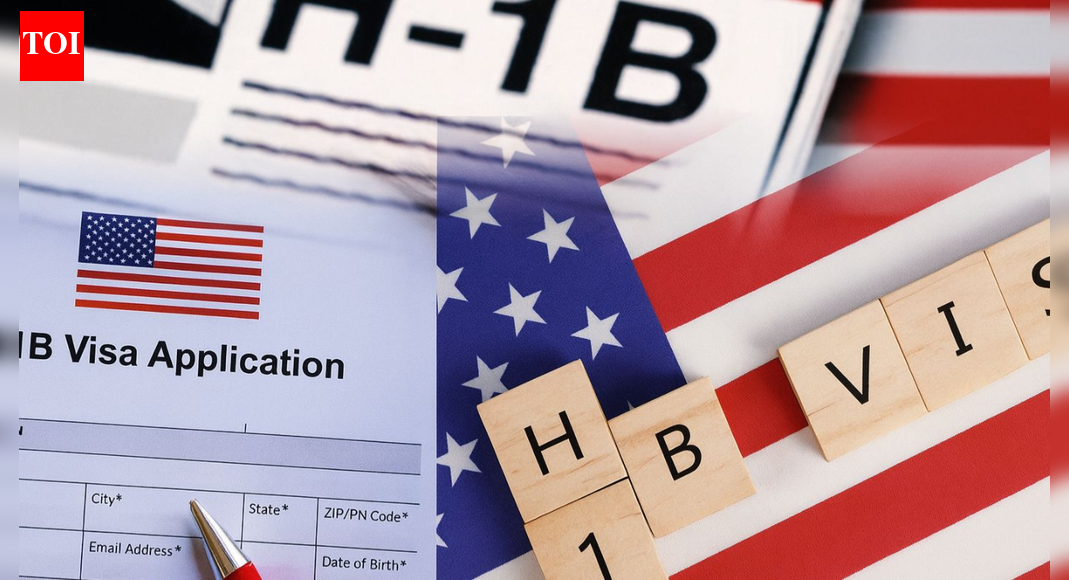

Immigration attorney Steven Brown said getting a 221(g)notice after the consular interview has become a new normal for H-1b professionals who are now stuck in their home countries without knowing when their application will come out of “administrative processing” and when they can come back to their job in the US. The attorney explained that this 221(g) slip does not mean a refusal; it means the State Department is saying: ‘We are not done with your case yet.”After the department started social media vetting since December 15, 2025, almost all applicants in India said they were given the 221(g) slip and their applications were approved in a day or two. Visa officers are not making spot decisions of H-1B stamping before going through the social media history of the applicants and hence everyone is getting the 221(g) slip. But if the delay turns from days to weeks and then to months, H-1B applicants can follow up with the consular office. While the applicants can also go to the court when the delay becomes unreasonable and remains unexplained. Bfrown said a lawsuit does not provide any guarantee of approval and a lawsuit also takes time to progress.
What is 221(g) delay?
Apart from the present social media vetting delay, the consulate may issue a 221(g) slip seeking additional documents or information from the applicant or the employer. If no additional info is requested, the notice typically states that your case is pending further administrative processing.
Checklist to avoid 221(g) delay
- Gather every document possible, including H-1B approval notice (I-797), job offer or verification letter from your employer, pay stubs, tax returns, and the complete petition paperwork.
- Be prepared to answer questions about your job duties, your employer, the work location. Before the interview, review what was stated in the H-1B petition and the DS-160 form.
- No field should be left blank in the form.
- The employer should be alerted that they may have to respond to the consulate’s inquiries.