

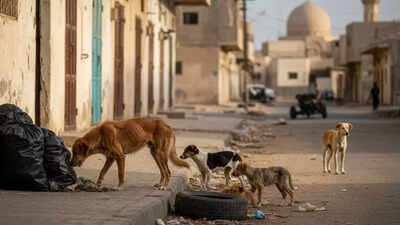
Kuwait banned pet import for trade, introduced strict pet-import rules / AI Generated Image
Kuwait’s Public Authority for Agriculture Affairs and Fish Resources (PAAAFR) has announced a ban on the commercial import of dogs and cats as part of a drive to tackle a rising stray-animal problem in residential areas. The measure limits the flow of animals brought into the country for trade and sale and is aimed at reducing uncontrolled breeding and abandonment.
Kuwait’s new pet import ban explained
The Gulf nation of Kuwait has launched a decisive, comprehensive strategy to tackle its growing stray animal population by implementing a nationwide ban on the commercial import of dogs and cats. This major policy shift, announced by the Public Authority for Agriculture Affairs and Fish Resources (PAAAFR), immediately prohibits the sale of imported dogs and cats in the country. The move is a direct response to the surge in abandoned animals, which has led to significant public safety concerns and challenges to the ecological balance in residential neighborhoods. The ban is designed to reduce uncontrolled breeding and curb the inflow of animals that often end up neglected or abandoned on the streets.
Import rules and strict regulations
While the commercial import channel is closed, PAAAFR has created a strict exemption for citizens: each Kuwaiti citizen will be permitted to import a maximum of one dog per year for personal use only. This measured approach aims to prevent the pet trade from fueling the stray crisis while still allowing responsible private ownership. Dr. Ahmad Al Hamad, the Supervisor of Animal Health and Epidemic Control at PAAAFR, confirmed that this recent surge in stray animals necessitated the intensification of field operations and regulatory measures. Authorities noted that banning commercial imports is a crucial step to regulate the pet market and mitigate risks associated with the illegal trade, such as the neglect of animal health standards and the potential spread of zoonotic diseases.
Stray dog management strategy
PAAAFR’s efforts extend far beyond simple regulation and enforcement; they include a dedicated, humane animal welfare strategy. The authority has requested a 10,000-square-meter plot of land to establish an integrated, comprehensive shelter for stray dogs, which will be located outside populated urban areas. This massive facility is planned to house vital services, including veterinary clinics, sterilization units, and quarantine areas.The overall strategy focuses on a responsible approach to animal control:
- Capture: Authority teams have already captured thousands of stray dogs in residential districts over the past year.
- Medical Care: Animals undergo thorough health checks and treatment.
- Sterilization: Sterilization programs are actively implemented to control reproduction rates.
- Adoption and Release: Healthy animals are either offered for adoption after passing checks or released back into suitable, managed environments, easing pressure on urban zones.
- Public Reporting: To ensure rapid response, the agency has launched a dedicated direct reporting line and a WhatsApp service at 56575070 for residents to report stray animals.
The new policy reflects a strong, coordinated commitment between government bodies and civil society. Enforcement is a collaborative effort involving the Ministry of Interior, the Ministry of Commerce, and PAAAFR. Furthermore, the Kuwaiti Lawyers Association has formally stepped in to support the cause, announcing the creation of a new Committee for Humane Living Conditions, chaired by lawyer Alaa Al Makhial.The Association’s Secretary, Jarrah Al-Anzi, confirmed that this committee will work with government agencies to reinforce its social role by supporting and drafting new legislation to advance animal protection laws. This combined governmental and legal push signals a new era for ethical pet ownership and animal welfare in Kuwait. Go to Source