
.
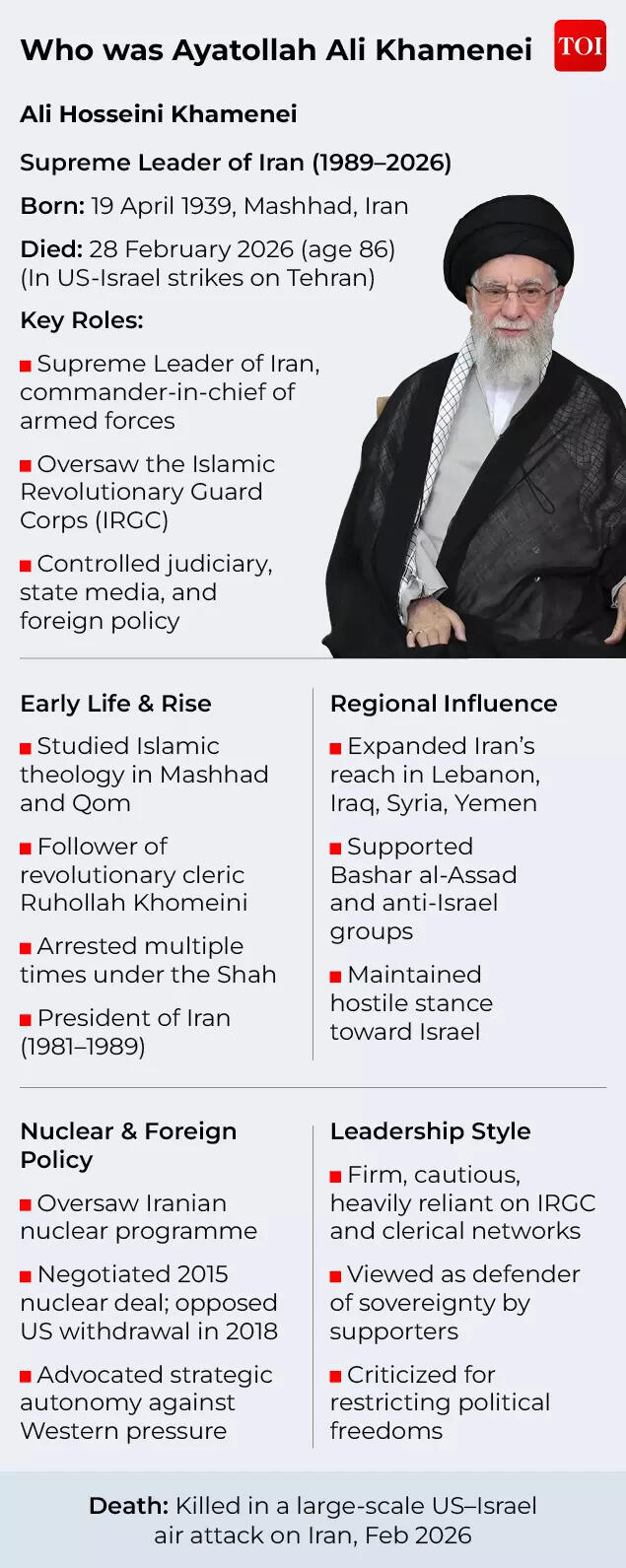
In the early hours of Sunday, March 1, Iranian state television confirmed what had been spreading in fragments the night before: Ayatollah Ali Khamenei, Iran’s supreme leader since 1989, was dead.
Driving the news
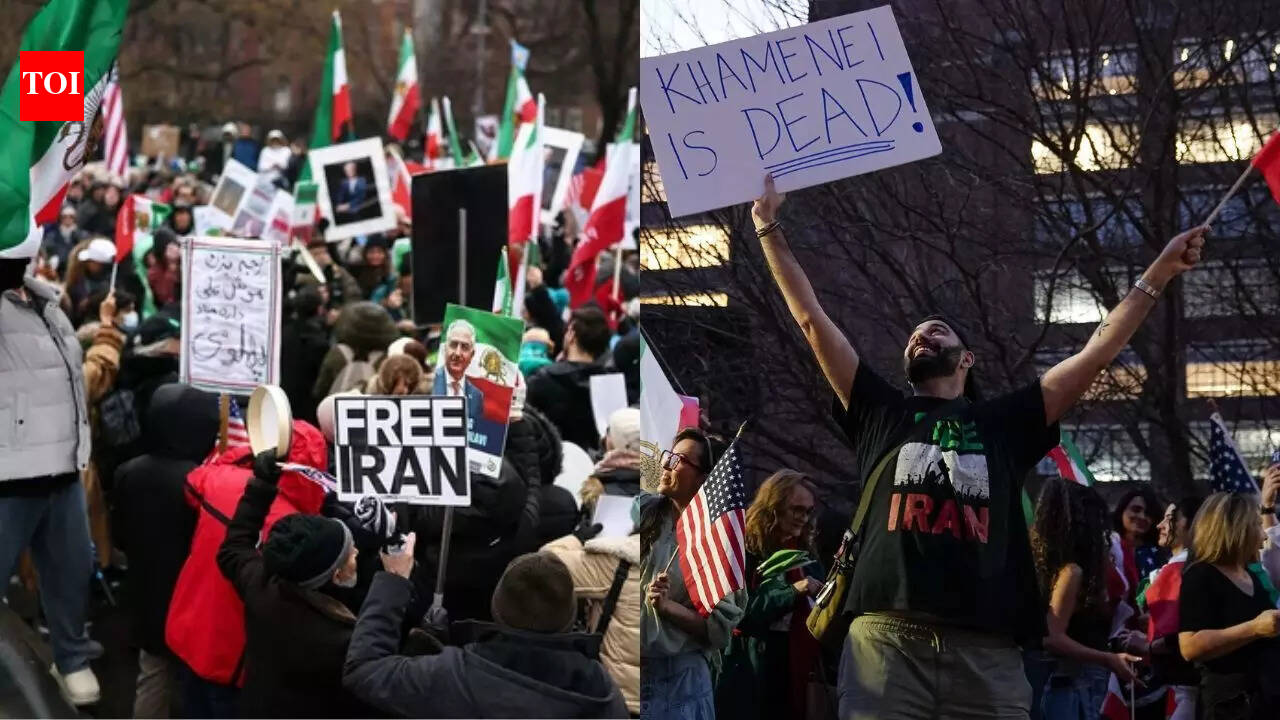
Iran’s Supreme Leader Ayatollah Ali Khamenei was killed in the opening wave of a coordinated US-Israeli campaign – an event that immediately triggered retaliatory Iranian missile fire across the region and set off dueling scenes inside Iran: celebration in some neighborhoods and mass mourning rallies in others.
- President Donald Trump framed the killing as a historic opening for regime change, saying: “This is the single greatest chance for the Iranian people to take back their Country.”
- Israeli Prime Minister Benjamin Netanyahu issued his own call to action, telling Iranians: “this is your time to join forces, to overthrow the regime and to secure your future.”
- In Tehran, AFP reported both jubilation and grief: cheers on streets after early reports, then thousands in Enghlab Square chanting “death to America.”
Meanwhile, Iran’s military and political leadership signaled escalation – not surrender.
.
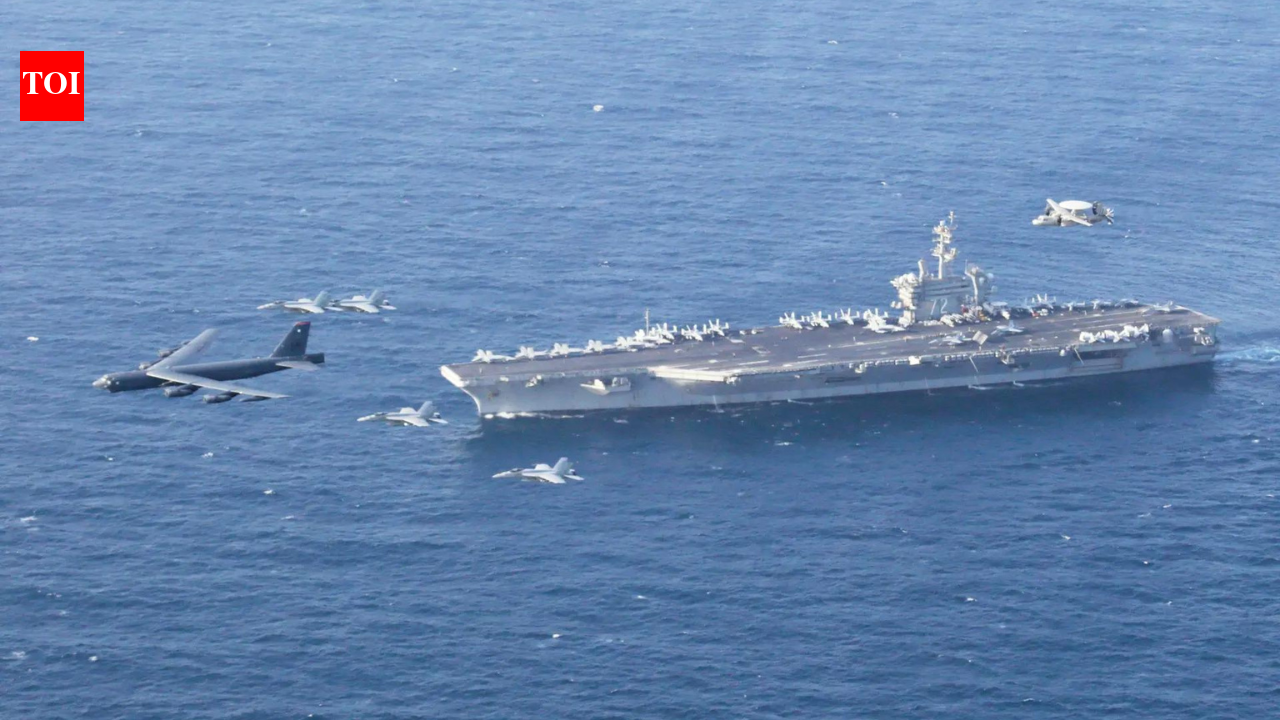
Iran’s Revolutionary Guards vowed the “most ferocious” operation in history as explosions and sirens were reported from Gulf capitals and Israel amid new salvos.
Israel attacks Iran
Why it matters
Khamenei’s death is the biggest shock to Iran’s power structure since 1979 – and it collides with a central question the US and Israel are now effectively betting on: can popular anger translate into a takeover of the state, faster than the security apparatus can reassert control?The early indicators cut both ways:
- The street mood is not singular. The New York Times described “large crowds” celebrating in Tehran and other cities, with chanting of “freedom, freedom” and rooftop shouts like “Khamenei went to hell,” even as some supporters privately mourned and others feared further strikes.
- The regime still has procedures – and guns. Under Iran’s constitutional mechanism, an interim leadership council forms quickly, while the Assembly of Experts is supposed to select a new supreme leader.
- The conflict is widening in real time. Iran’s retaliatory strikes on Israel and US-linked targets in the Gulf raise the odds that domestic politics will be shaped by wartime nationalism as much as anti-regime fervor.
In short: Even if many Iranians want the system gone, toppling it amid bombs, blackouts, and security crackdowns is a different kind of challenge.
Zoom in
What the streets are signaling
- The Times’ reporting paints a rare glimpse of spontaneous, decentralized celebration under heavy constraint: landlines and cellphone service down, yet people still gathering, honking, dancing, and shouting “Woohoo, hurrah.”
- One Tehran resident, identified by first name only, described a private-to-public pivot the moment the news hit. “Then we bolted outside and shouted from the top of our lungs and laughed and danced with our neighbors,” Sara told The New York Times.
- But AFP also described the counter-mobilization: thousands of mourners in black at Enghlab Square chanting “death to America.” That matters because it hints the state can still summon loyalist crowds – and, more importantly, can still deploy the Basij and security forces to dominate public space when it chooses.
The Guards, the Basij, and the economics of control
- If Khamenei was the regime’s face, the Islamic Revolutionary Guard Corps has long been its muscle and, increasingly, its wallet. The IRGC answers directly to the supreme leader, stands apart from the conventional military chain, and has expanded its reach through politics and business over decades, including large contracting operations and deep entanglement with strategic sectors. The Basij militia, under Guards control, has often been deployed to crush protests.
- Here is the destabilizing twist: this war appears to have decapitated parts of that security elite. Iran’s judiciary confirmed that Ali Shamkhani, a top adviser, and General Mohammad Pakpour, the head of the Revolutionary Guards, were killed. Reuters separately reported that the strike was timed to real-time intelligence about a meeting involving Khamenei and senior aides.
- A weakened command structure can create openings. It can also produce panic, paranoia, and overreaction. In the hours after Khamenei’s death was confirmed, the Revolutionary Guards vowed the “most ferocious” operation in history against Israel and US bases, according to AFP. That promise is not only meant for adversaries abroad; it is also a message to Iranians at home: we still exist, we still punish, we still decide
Between the lines
If a mass movement is going to “take over the regime,” it needs three things at once: organization, momentum, and splits inside the coercive apparatus.Right now, each is uncertain:
- Organization: Celebrations and localized protests are not the same as a unified national opposition with command-and-control – especially amid internet disruptions and fear of retaliation
- Momentum: The emotional release is real, but it may be short-lived if the next phase is mass arrests, curfews, and targeted violence by security services.
- Elite splits: Reuters emphasizes the Revolutionary Guards’ entrenched political-economic power and their direct line to the supreme leader – suggesting the Guards could become the decisive kingmakers, or even the de facto rulers, if clerical authority weakens.
Academic analysis from The Conversation lands on a skeptical conclusion about a people-powered overthrow under bombardment. Donald Heflin, a veteran diplomat, argued: “I would be surprised if we saw a popular uprising in Iran that really had a chance of bringing the regime down.”That assessment also flags a darker possibility: the system survives – but hardens, with power shifting toward security hardliners rather than liberalizing.
What next
Alireza Arafi was named on Sunday as the jurist representative on Iran’s Leadership Council, the interim body responsible for carrying out the supreme leader’s duties until the Assembly of Experts selects a successor, the ISNA news agency reported.A cleric who also serves on the Guardian Council, Arafi will join President Masoud Pezeshkian and Chief Justice Gholamhossein Mohseni Ejei on the temporary three-member panel.Watch these near-term tells:
- Do protests spread from celebration to sustained occupation of public squares? A single night of euphoria doesn’t equal durable control of streets – especially if loyalist counter-rallies and forceful dispersals follow.
- Does the military fracture – or unify? Trump’s warnings and Iran’s retaliation cycle could push commanders to close ranks “rally-round-the-flag” style, even if some units privately resent the clerical order.
- Does the external war pause – or escalate? If missile exchanges intensify, domestic priorities may shift from regime change to survival and retaliation – and the regime may justify sweeping repression under emergency conditions.
Bottom line: Iranians in the streets can shake the regime – and the symbolism of Khamenei’s death is enormous – but “taking over” requires more than courage. It requires the regime’s coercive core to splinter, or be neutralized, faster than it can reorganize under a wartime banner. Go to Source