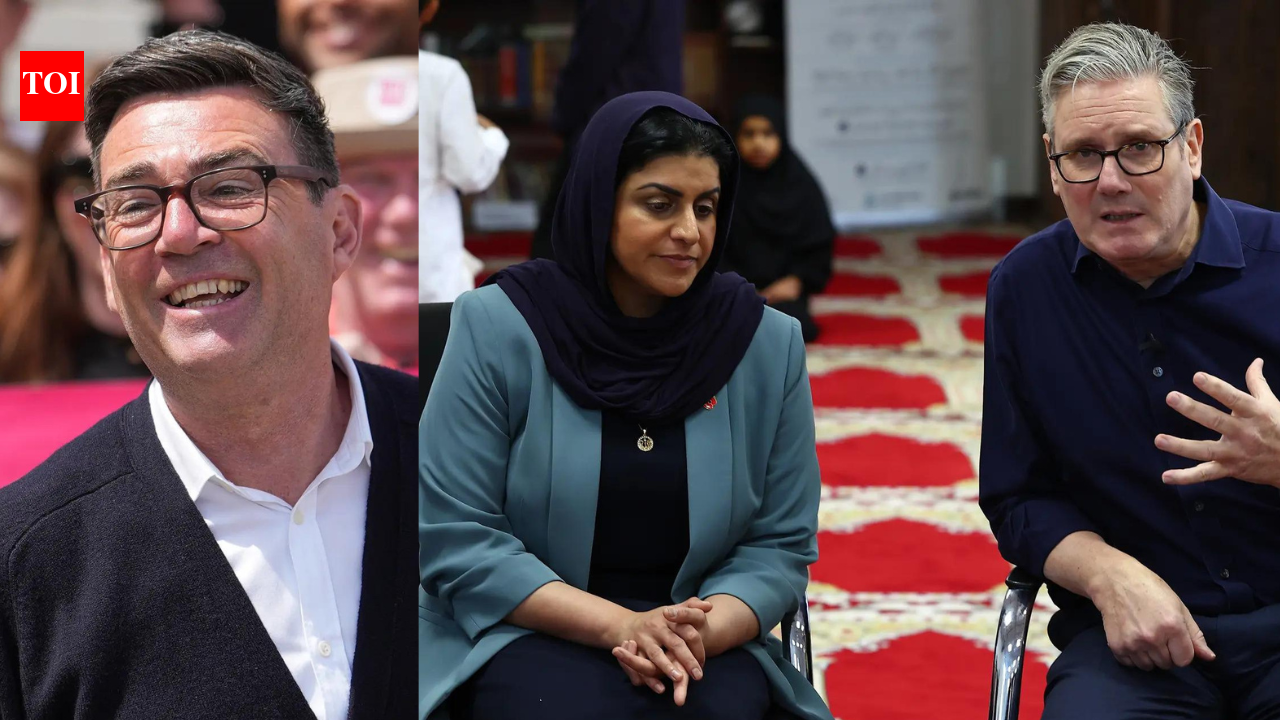

Andy Burnham, Shabana Mahmood among top contenders (Images/AP)
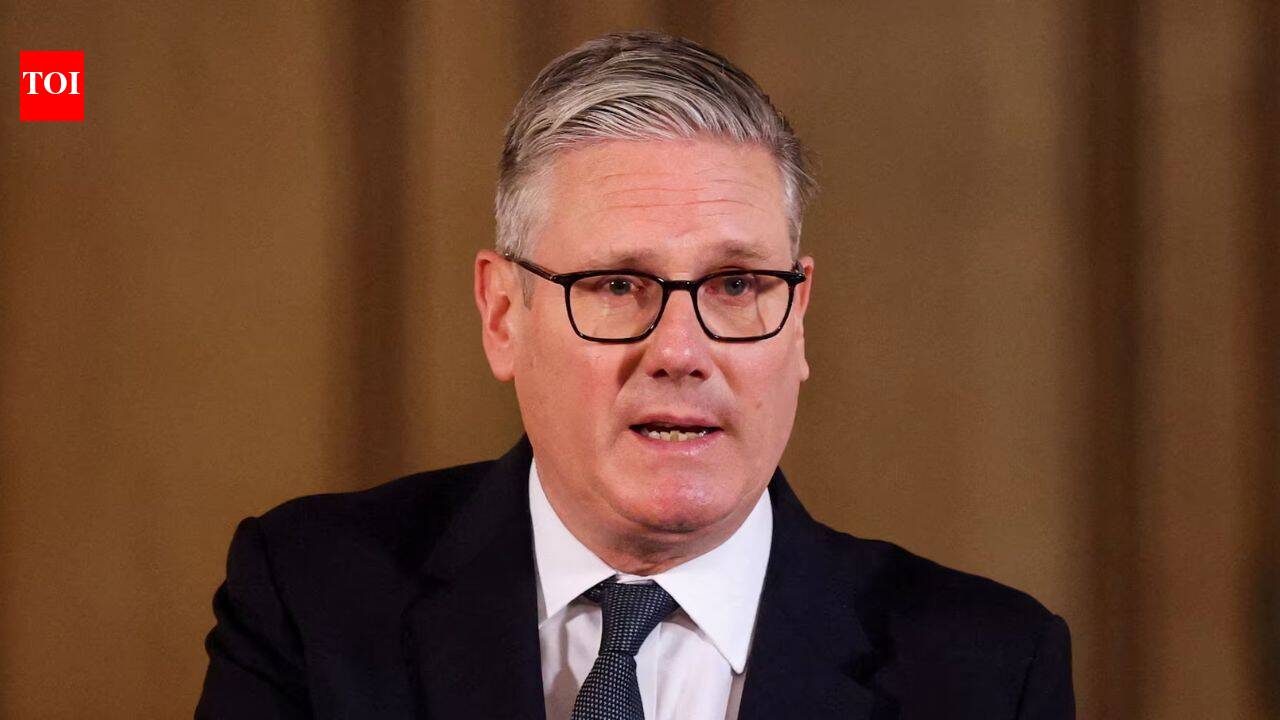
United Kingdom Prime Minister Keir Starmer announced his resignation on Monday, setting the stage for a leadership battle within the Labour Party and a contest to determine Britain’s next prime minister.Speaking outside 10 Downing Street, Starmer said he had informed King Charles III of his decision and would remain in office until a successor is chosen. Labour’s National Executive Committee is expected to begin the process of electing a new leader, with a replacement likely to be in place before Parliament returns in September.His departure follows mounting pressure from within Labour after disappointing election performances, internal divisions and growing concerns over the party’s ability to counter the rise of Reform UK. Several senior ministers and party figures are now being discussed as potential successors as Labour prepares for a leadership contest.
Why is Starmer under pressure?
Starmer’s leadership has come under increasing scrutiny after Labour’s poor showing in recent local elections and fears that the party is losing support in key areas.Pressure intensified after the Makerfield by-election victory of Andy Burnham, which many Labour members viewed as evidence that an alternative leadership figure could reconnect with voters. According to reports, at least seven cabinet ministers have privately advised Starmer to consider stepping aside. Business Secretary Peter Kyle has also acknowledged that questions surrounding Starmer’s future are now firmly part of the political debate.Further criticism emerged after former defence secretary John Healey resigned and raised concerns about the government’s defence spending strategy.
Five contenders who could replace Keir Starmer
With expectations growing that Starmer could step down, attention has turned to the politicians who may compete for Labour’s top job.
Andy Burnham
Andy Burnham is widely seen as the leading candidate to succeed Starmer.The former Greater Manchester mayor recently returned to Westminster after winning the Makerfield by-election and has signalled that he would be willing to contest the Labour leadership.Burnham enjoys strong support among Labour members and has consistently topped internal polling of potential successors. Supporters believe he is better positioned to win back voters who have shifted towards Reform UK and reconnect Labour with working-class communities.His advocates also point to his experience in both local and national politics as a major advantage.
Wes Streeting
Former health secretary Wes Streeting is regarded as one of the strongest potential challengers.Streeting resigned from the cabinet last month and later remarked that it had become increasingly clear that Starmer was unlikely to lead Labour into the next general election.He is believed to have substantial support among Labour MPs and has built a reputation as a strong communicator. However, critics within the party argue that his politics are too centrist and could alienate Labour’s traditional support base.
Angela Rayner
Angela Rayner remains one of the most recognisable figures in the party and is often mentioned as a possible successor.Popular with Labour’s soft-left wing, Rayner has repeatedly argued that the government must move faster in delivering improvements for working people.Although she has ruled out launching a challenge against Starmer, she has not ruled out standing if a leadership contest takes place.Some Labour figures believe she could emerge as a consensus candidate or even form an alliance with Burnham during a future contest.
Shabana Mahmood
Home Secretary Shabana Mahmood has also been identified as a potential contender.Mahmood has attracted support from influential figures on Labour’s right wing and has long been viewed as a future leadership prospect.Supporters praise her experience and policy credentials, while critics viewed her as too centrist.
Al Carns
Former minister and military veteran Al Carns is considered the outsider among the potential candidates.Speculation about his ambitions increased after his resignation last week. While Carns has not formally declared an interest in the leadership, he has notably refused to rule out a future bid.His military background and reputation for discipline have attracted attention from some Labour members seeking a fresh face at the top of the party.Reports indicate that Starmer is expected to outline a transition timetable rather than resign immediately. An autumn departure would give Labour time to organise a leadership contest and ensure a smooth handover before major political events later in the year.With several high-profile figures weighing their options, the coming months could determine not only Labour’s next leader but also the future direction of the British government. Go to Source