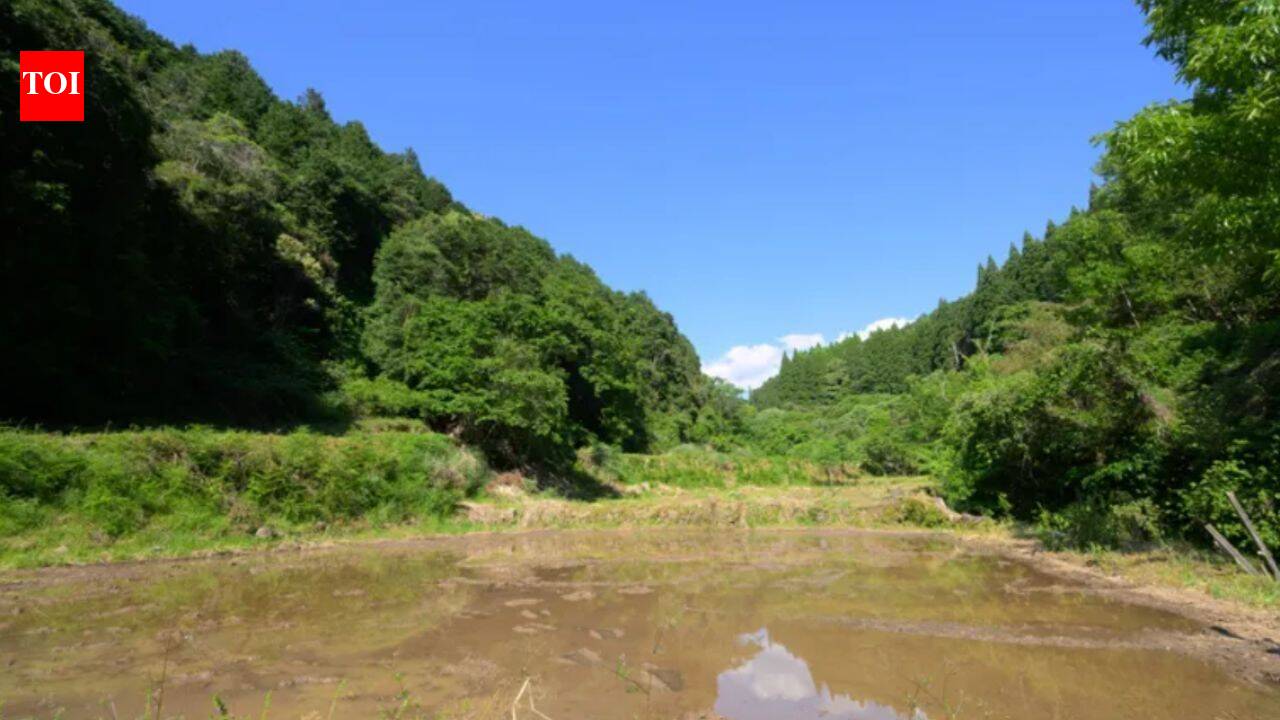

A restored wetland area surrounded by our Natural Water Sanctuary. (Picture source: Suntory)
For years, many rice fields in Japan have been left unused as fewer people continued farming and rural communities grew older. Without regular care, many of these fields became covered with weeds. The frogs, dragonflies and other small animals that once lived there also slowly disappeared.Now, an abandoned stretch of rice paddies in Japan’s Aso region is getting a new life. Instead of turning the land back into farmland, local residents and researchers have restored it into wetlands that stay filled with water throughout the year.The idea is that the water that remains in the wetlands can slowly sink into the ground, helping refill groundwater, the water stored beneath the Earth’s surface that many communities rely on. At the same time, the wetlands provide a home for frogs, dragonflies and other freshwater animals that need water throughout the year to survive.
New use of fields
The project grew out of earlier efforts to keep some rice paddies flooded during winter. Scientists found that these flooded fields attracted many kinds of wildlife. But once the farming season began, the water had to be drained from the fields.This led scientists wonder if nearby abandoned rice fields could stay flooded all year instead? Researchers found a village where several rice paddies had not been farmed for many years. Rather than growing rice again, they decided to restore the area as permanent wetlands.The work involved clearing thick grass, repairing old waterways and allowing water to flow back into the abandoned fields. Local villagers worked together with researchers to bring the neglected land back to life.Because the wetlands remain filled with water throughout the year, they can support wildlife in every season while also allowing water to slowly seep underground.
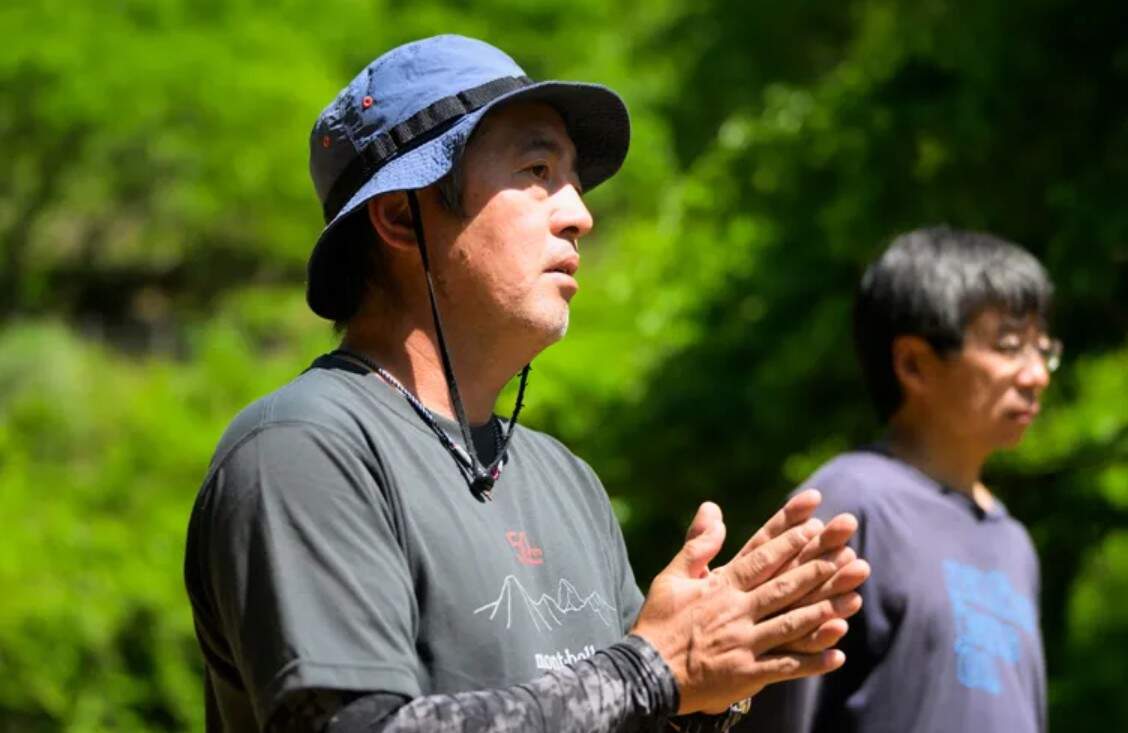
Local farmer Kazuaki Iwamura who has been involved in the project for around 15 years, said the rice fields were once full of life. (Picture: Suntory)
‘Guests of the paddies’
Local farmer Kazuaki Iwamura who has been involved in the project for around 15 years, said the rice fields were once full of life.He said that the old days, around here, we used to call the frogs and other wildlife that would come to the rice paddies ‘tangyaku’, which means ‘guests of the paddies’. To the rice paddies, these creatures were welcome guests.When the idea of restoring the abandoned fields into wetlands was discussed with villagers, many older residents immediately supported it. They hoped to bring back the familiar sights and sounds that many people in the village grew up with.”Nothing would be more rewarding than to see the everyday scenes of their childhood restored- the dragonflies dancing at the water’s edge, the chorus of the frogs,” Iwamura said as quoted by Suntory who is collaborating in the project.He added that the project is not just about today’s wildlife but about protecting nature for future generations.”These huge trees around us have been preserved from however many generations ago, all the way to the present. When I think of that, I have a real sense of our own efforts stretching out 100 years into the future.”
Why wetlands matter
Freshwater wetlands across the world are under severe pressure. In Japan, nearly half of amphibian and aquatic reptile species are already considered endangered.The actual situation could be even more serious because scientific surveys may not yet reflect the full extent of habitat loss.Freshwater ecologist Dr Yuichi Kano of Kyushu Open University has been studying rivers, waterways and rice paddy ecosystems. Since 2020, he has been conducting biodiversity surveys in the winter-flooded rice paddies linked to the project. According to him, protecting freshwater environments requires patience because nature takes time to recover. As per Kano, restoring wetlands cannot be achieved by scientists alone. It requires cooperation between researchers, local communities and other organisations working together over many years. He believes projects like this could provide useful lessons for other regions looking to restore damaged freshwater habitats. Go to Source