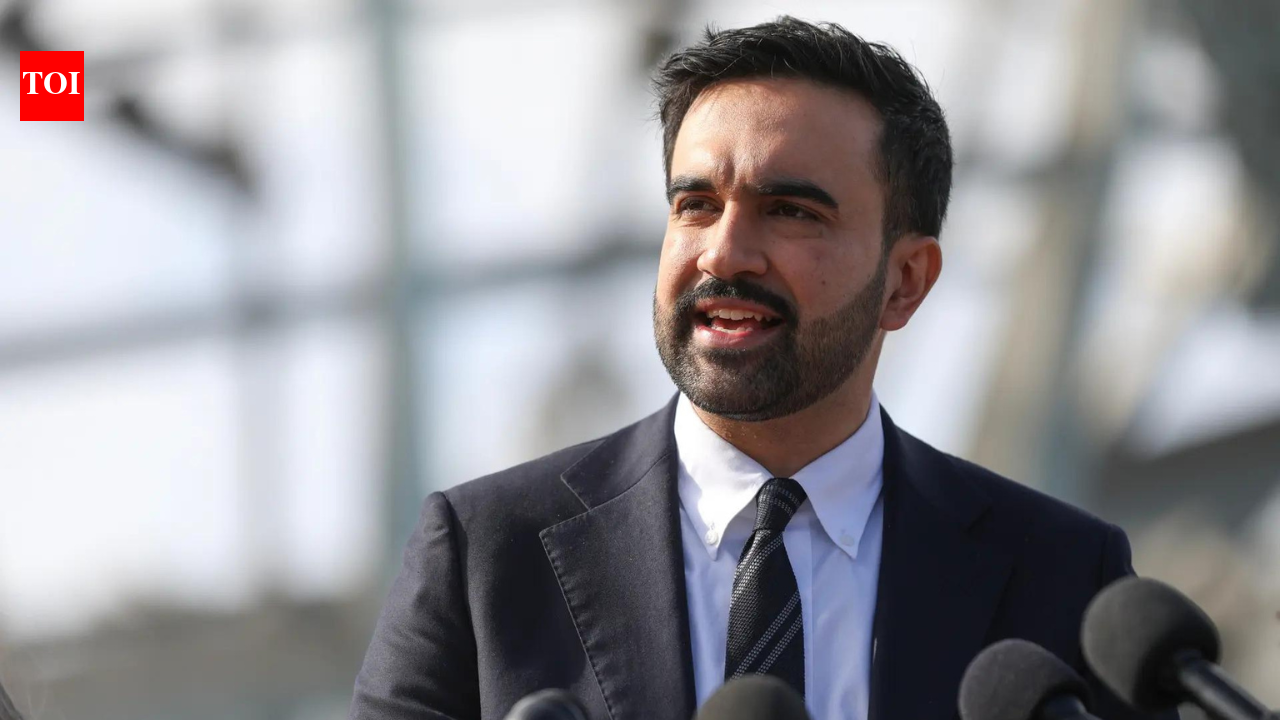

NYC Mayor Mamdani references Islam’s Hijrah, citing Prophet Muhammad’s migration while addressing immigration and sanctuary policies
New York City Mayor Zohran Mamdani has drawn attention after invoking Islamic history while speaking about migration, using a religious reference to frame a broader argument for compassion and refuge in US immigration policy.The remarks were delivered during an interfaith breakfast on Friday, where Mamdani spoke about how faith traditions influence views on migration and hospitality. Referring to Islam, he described it as “a religion built upon a narrative of migration” and pointed to the Hijrah, the Prophet Muhammad’s journey from Mecca to Medina, as a defining moment in Islamic history.“The story of the Hijrah reminds us that Prophet Muhammad was a stranger too,” Mamdani said. “He fled Mecca and was welcomed in Medina.”Mamdani framed the historical reference as a lesson in how societies respond to people escaping hardship, suggesting it offers perspective for modern debates on immigration. He linked the example to New York City’s identity as a city shaped by migration and reiterated its sanctuary status, arguing that protecting immigrants reflects deeply rooted moral values. During the address, he also drew on teachings from other faith traditions, including Christianity and Buddhism, to underline what he described as shared principles of compassion and care for vulnerable communities. The comments prompted mixed reactions. Supporters praised the remarks as an appeal to empathy grounded in faith and interfaith solidarity, saying they reflect New York City’s long-standing approach to welcoming migrants. Critics, however, questioned the appropriateness of invoking religious figures in discussions about US immigration policy, arguing that such debates should remain separate from religious narratives.The response to the mayor’s speech highlights ongoing tensions in national discussions over immigration, the role of faith in public discourse, and how elected leaders use moral and historical references when addressing contentious policy issues.