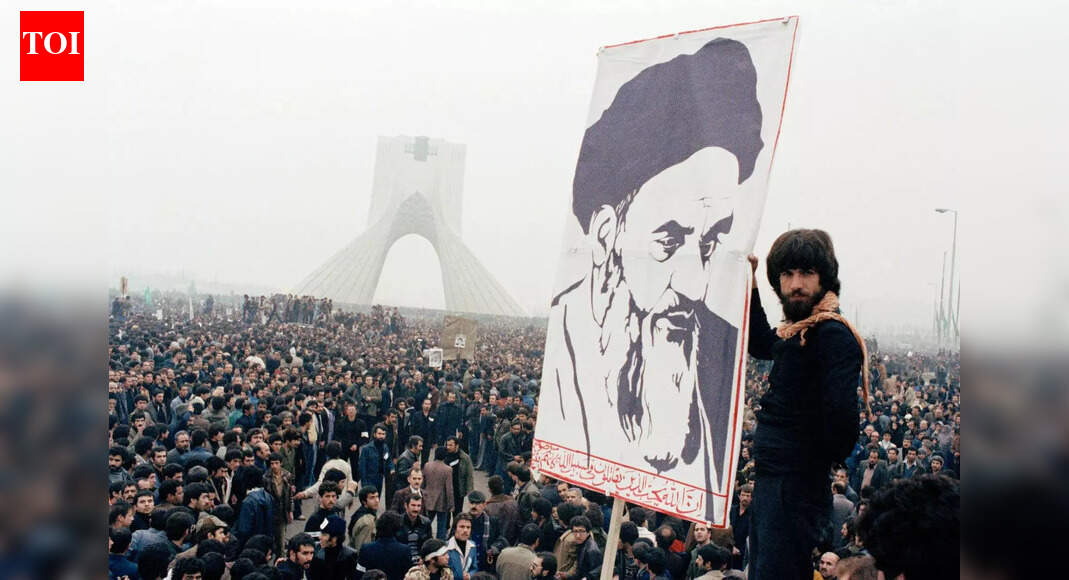

Iran Protests Live Updates: Iran witnessed a sharp escalation in nationwide protests as authorities imposed sweeping communication restrictions, cutting internet access and telephone services across large parts of the country. The shutdown came amid intensifying demonstrations against economic hardship, marking nearly two weeks of sustained unrest driven by inflation, currency collapse and public anger at the ruling establishment.
Violent clashes between protesters and security forces were reported in several cities, with footage circulating online before the blackout showing the use of tear gas, gunfire and stone-throwing. Rights groups said protesters also set fire to government buildings in some areas as the uprising entered its 12th day. According to the US-based Human Rights Activists News Agency, at least 42 people have been killed so far and more than 2,270 detained. Iranian authorities have acknowledged the deaths of several security personnel.
The internet shutdown, reported by NetBlocks and Cloudflare, left over 85 million people effectively cut off from the outside world. International phone calls, including those routed via Dubai, failed to connect. Such blackouts have historically preceded harsher crackdowns by Iranian authorities. State television did not mention the outage, instead focusing on food subsidy announcements during its morning broadcast.
Exiled Iranian crown prince Reza Pahlavi strongly condemned the government’s actions, accusing it of deliberately silencing citizens demanding political and economic change. In a post on X, he urged the international community to use all available technical, financial and diplomatic means to restore communications so that the voices of Iranians could be heard.
The protests have also drawn sharp reactions from the United States. President Donald Trump warned Iran’s leadership against using deadly force on protesters, threatening severe consequences if killings occur. Vice President JD Vance reiterated Washington’s support for peaceful demonstrators, while the US State Department issued an unusually blunt message in Persian directed at Iran’s leadership.
The unrest began on December 28, initially sparked by Tehran shopkeepers protesting the rapid fall of the Iranian rial. Inflation has hovered around 40 percent, while recent fuel price hikes and changes to exchange-rate policies have pushed up the cost of basic goods. University students later joined the demonstrations, which spread across all 31 provinces, with chants increasingly targeting Supreme Leader Ayatollah Ali Khamenei.
As international pressure mounts and communication blackouts tighten, the situation inside Iran remains volatile, with no clear indication of how the standoff between protesters and the state will unfold.