
When a single-line reply under a hackathon photo set off a storm on X, many outside the Indian and South Asian tech community initially dismissed the reaction as overblown. The phrase was short, vague and, to some, easily explained away as a crude joke about long hours and crowded rooms. But for many Indians in tech, the comment landed very differently. It touched a nerve shaped by years of stereotypes, coded insults and experiences that make certain words anything but neutral.
What actually happened
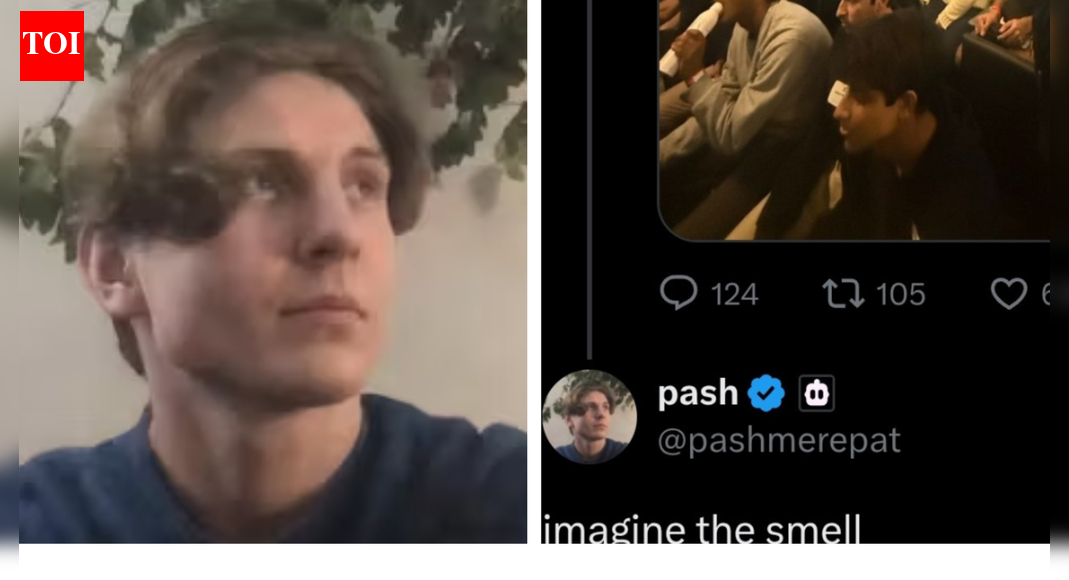
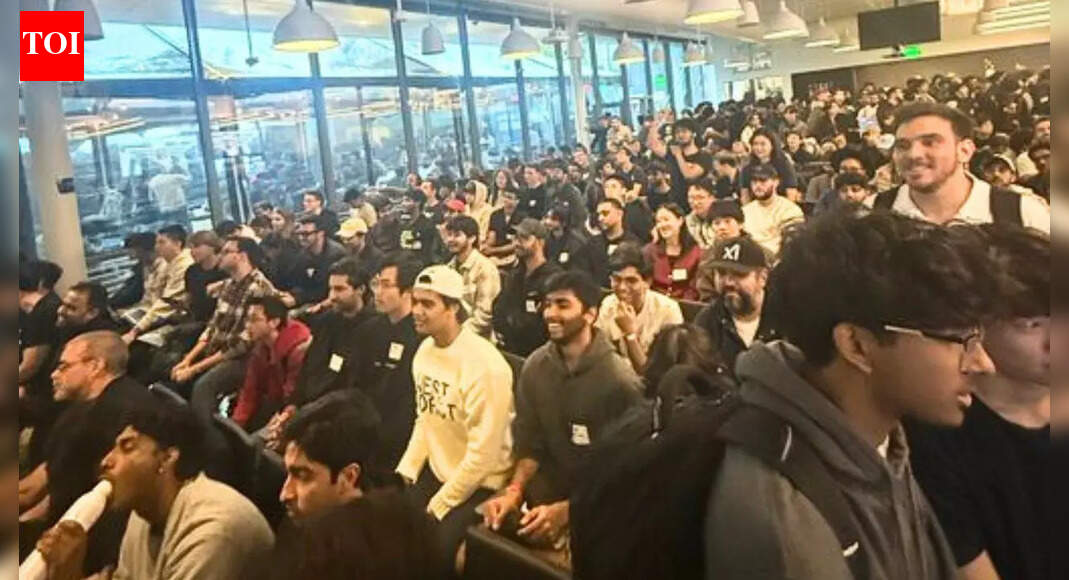
The controversy began when a photograph from a high-profile hackathon was shared on X, showing a large crowd of developers and engineers. In response, Nik Pash, Cline’s head of AI, replied with the phrase “imagine the smell.” Almost immediately, Indian and South Asian users pointed out that the phrase is widely recognised online as a racist meme aimed at their community.As criticism mounted, Pash defended the remark as a harmless joke about hackathons and refused to apologise. “I’m not going to apologise for making a harmless joke about hackathons smelling bad,” he wrote, adding that he had attended several such events that year and that “they all smelled bad.” That stance intensified the backlash. Prominent voices in the tech ecosystem stepped in to explain publicly why the phrase carried racial meaning regardless of intent. Deedy Das, an Indian-origin tech investor, put it bluntly: “Every time I’ve seen ‘imagine the smell’, it’s an attack on Indians.” His point, echoed by many others, was not about reading malice into every joke, but about recognising how certain phrases function online.The discussion escalated rapidly, alongside legitimate criticism, there were also instances of harassment and threats, which many critics condemned outright. Only after sustained public pressure did Saoud Rizwan, the founder and chief executive of Cline, issue a statement. He distanced the company from the comment and acknowledged that harm had been caused, while emphasising that the remark was not intended to offend.
A phrase with a long and ugly history
The reaction was not driven by hypersensitivity to humour. “Imagine the smell” is widely recognised online as a racist meme used to mock Indians and South Asians, particularly in tech and gaming spaces. For years, the phrase has circulated alongside stereotypes about hygiene, food and overcrowding, often functioning as a way to demean Indian professionals while preserving plausible deniability.One of the most persistent tropes behind it is the idea that Indians “smell like curry”, a stereotype that has followed South Asians for decades across schools, workplaces and popular culture. From playground taunts to office jokes and anonymous comment sections, food, spices and bodies are collapsed into a single insult, implying uncleanliness and otherness. Indian media commentary has repeatedly traced this trope to colonial-era attitudes that used hygiene and bodily difference as tools of racial hierarchy.Online forums make clear how common the association remains. Indian and South Asian users frequently describe encountering comments such as “smells like curry” or “imagine the smell” under unrelated photos or videos, often accompanied by emoji reactions meant to signal mockery rather than humour. The phrasing survives precisely because it allows users to retreat behind irony or alleged ambiguity when challenged.Because of that history, intent becomes secondary. When language is repeatedly used to target a specific group, it carries meaning even when the speaker claims a different context. For many Indians, the words do not arrive as a blank slate. They arrive loaded.
Intent versus impact is not an equal debate
Defenders of the comment focused heavily on intent, arguing that because it was not meant to be racist, it should not be treated as such. But this framing misunderstands how harm operates. Impact is shaped by repetition, power and context, not by a single explanation offered after the fact.For Indians in tech, the impact is cumulative. It is built from schoolyard taunts, online slurs, workplace jokes and the constant pressure to laugh along to avoid being labelled humourless or difficult. Viewed through this lens, the comment did not exist in isolation. It fit a familiar pattern.Calling out the phrase was not about punishing an individual. It was about naming a problem that is often minimised or ignored. Several Indian voices made the same point publicly: even if the comment was not intended as anti-India, its effect was indistinguishable from comments that clearly are.
Corporate responses and unresolved questions
Cline’s response reflected a familiar corporate dilemma. Companies often move quickly to manage reputational fallout, but rarely go far enough in confronting the cultural assumptions that make such incidents possible. For many Indian professionals, the lingering question is not whether a statement was issued, but whether genuine understanding followed.Will future humour be filtered through an awareness of historical harm, or will each episode be treated as an isolated misunderstanding?
Why this was never just about a joke
At its core, the controversy was not about policing humour or enforcing ideological conformity. It was about who gets to define harm. Indians in tech are frequently cited as evidence of diversity and meritocracy, yet their experiences are often discounted when they articulate discomfort.For many Indians, the phrase was never neutral because lived experience has taught them it rarely is. This does not mean every careless comment is malicious. It does mean that dismissing the reaction as oversensitivity ignores the way words accumulate meaning over time.The lesson from this episode is not that humour should vanish from tech culture. It is that context matters, history matters and listening matters. When those are ignored, even a few words can reveal far more than the speaker intended. Go to Source