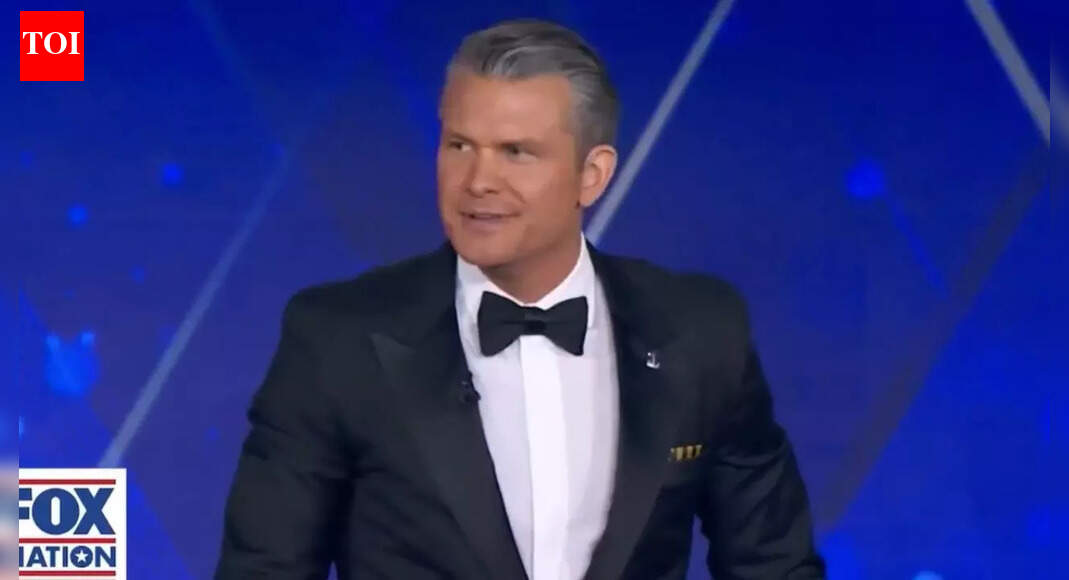


US Defense Secretary Pete Hegseth is back in the political hot seat as the Pentagon’s watchdog alleged he put American personnel and missions at risk by using the Signal messaging app to share sensitive details about a strike targeting Yemen’s Houthi militants.Trump administration officials used the encrypted app Signal to coordinate sensitive military strikes against Yemen’s Houthi militants in March — and the group chat accidentally included a journalist. Then–national security adviser Mike Waltz set up the chat with several of Trump’s top Cabinet officials but mistakenly added Jeffrey Goldberg, editor-in-chief of The Atlantic.And later, The Atlantic published additional text messages from the Signal group chat, underscoring a massive breach in operational security as specific sensitive information about the Houthi attack was shared in the chat before it was carried out.Sources familiar with the classified report — now parked with the Senate Armed Services Committee — say Hegseth blasted out minute-by-minute updates such as “1215 ET: F-18s LAUNCH” and “1415: Strike Drones on Target” in a Signal chat. The inspector general’s probe — launched in April at lawmakers’ request — examined whether Hegseth sidestepped secure communications and ignored records rules. A redacted public version is expected Thursday, as bipartisan critics argue Hegseth’s real-time “declassification by group chat” put troops at risk, AP news agency reported.
Signal blunder puts OPSEC under the microscope
Hegseth told the group “We are currently clean on OPSEC” after strikes, celebrating the collapse of a building housing a top Houthi missile commander. But the IG faulted him for using a personal device in violation of policy, noting that even if he had authority to declassify, details remained sensitive while pilots were en route. Critics, including Sen. Tammy Duckworth, said those launch-time sequences were “inherently classified” and could have gotten aviators killed if intercepted. Waltz later admitted the accidental add and even sought help from Elon Musk for digital forensics.According to the one of the sources said Hegseth technically has the authority to declassify information, and the review didn’t conclude that he mishandled classified material. But it did find that he violated Pentagon policy by conducting official business from a personal device and recommended better training for Defense Department officials. Hegseth refused an in-person interview with the inspector general, instead submitting a written statement, the person said. He argued that he was allowed to declassify information and only shared details he believed would not jeopardize operations.
Caribbean strike controversy
The early conclusions intensify pressure on the former Fox News host, as lawmakers had already demanded an independent investigation into his use of the commercial app. Members of Congress are also probing a separate report that a follow-up strike on a suspected drug-smuggling vessel in the Caribbean in September killed survivors after Hegseth allegedly ordered forces to “kill everybody.” Hegseth defended that strike as part of the “fog of war,” saying he did not see any survivors but also “didn’t stick around,” and that the admiral in charge “made the right call” in ordering the second attack. He denied any wrongdoing related to the Signal chats, insisting the material was unclassified. “The Inspector General review is a TOTAL exoneration of Secretary Hegseth and proves what we knew all along — no classified information was shared,” Pentagon spokesperson Sean Parnell said in a statement. “This matter is resolved, and the case is closed.” President Donald Trump “stands by” Hegseth, White House press secretary Karoline Leavitt said, noting the review confirmed that “no classified information was leaked, and operational security was not compromised.”
Rooted in US campaign against Houthis
Houthi rebels began firing missiles and drones at commercial and naval ships in late 2023, saying the attacks were aimed at ending Israel’s war with Hamas in Gaza. Those assaults sharply reduced traffic through the Red Sea, which normally handles about $1 trillion in yearly trade. The US-led response in 2024 became the most sustained naval fight since World War II. A ceasefire in Israel and Gaza began in January but fell apart in March. The US then launched a broad assault on Houthi targets, which ended weeks later after Trump said the group agreed to stop targeting ships. Another Gaza ceasefire took effect in October. After it became public that Hegseth’s Signal chat included The Atlantic’s editor, the magazine published the entire thread in March. The messages showed Hegseth laying out strike windows, target locations, timing elements, and which aircraft and weapons would be used. He also noted the US was “currently clean” on operational security. Hegseth told Fox News in April that what he shared over Signal was “informal, unclassified coordinations, for media coordinations and other things.” Go to Source