
No More Free Hajj: Egypt Changes the Rules for Pilgrims Ahead of 2026 Pilgrimage
Ahead of the 1447 AH/2026 Hajj season, the Egyptian government has announced that it will stop providing state-funded free pilgrimage slots. Instead, it will use electronic lottery systems and licensed paid pilgrimage packages. This is a significant change for millions of potential pilgrims and indicates reforms in Egypt’s public spending and Hajj logistics before the Kingdom of Saudi Arabia’s upcoming Hajj season.
No more free state-sponsored slots
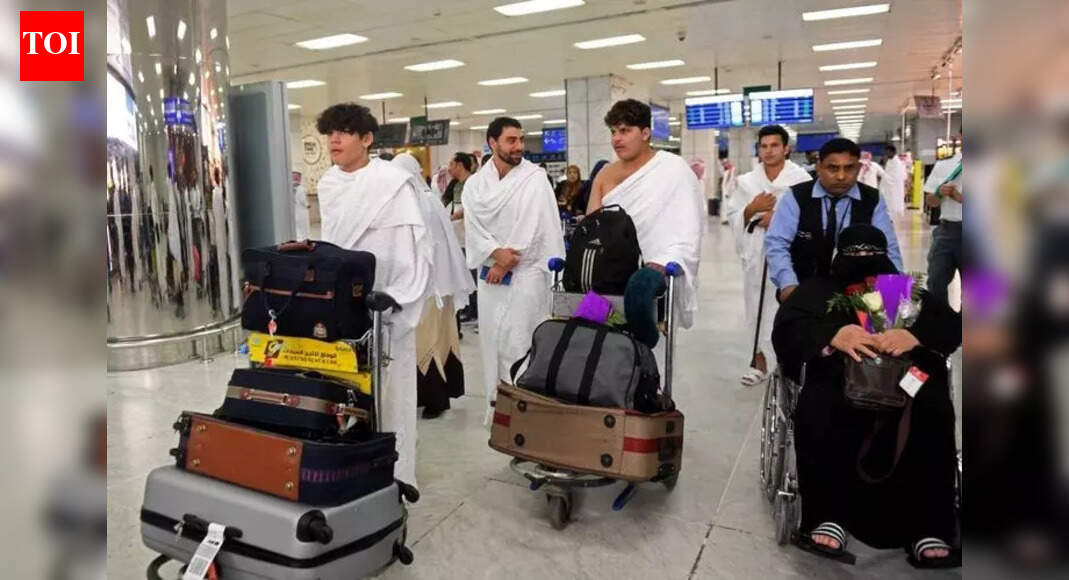
Egypt’s Ministry of Social Solidarity and the National Foundation for Facilitating Hajj announced the results of the public electronic Hajj lottery for 2026 pilgrims, selecting approximately 12,000 applicants from across Egyptian governorates through a fully digital draw aimed at promoting transparency. Successful applicants must now pay for their pilgrimage arrangements through official channels. The confirmation of the lottery result was done through a press conference by Minister Maya Morsi. This highlights the fact that the lottery has currently become the main means for Egyptians, as opposed to a subsidized state sponsorship, for Egyptian Hajj visas.
Hajj 2026 Explained: Egypt’s New Lottery System, Paid Packages and Visa Rules
This is part of a bigger trend that has been underway for the past few years. During economic strains in 2022 and 2023, Egypt cancelled Hajj at state expense for the second consecutive year, opting not to use government resources to underwrite pilgrimages amid budgetary pressures.
Tourism ministry opens paid Hajj registration
Separately, the Ministry of Tourism and Antiquities opened Hajj registration via licensed tourism companies for the 2026 season, with applications accepted from mid-October and results published in early November. These packages are presented in economy, mid-range and premier options. They are fully paid pilgrim services, requiring applicants to cover costs ranging from accommodation to transport, managed through officially accredited tour operators. Government data showed that tourism Hajj packages this year were priced across categories to accommodate different budgets and that the ministry even reduced some prices slightly compared to the previous season to ease financial burdens. Here’s what this means for Egyptian pilgrims –
- Lottery-Based Selection: Egypt is relying heavily on a digital lottery system where names are selected at random from millions of applicants, a system confirmed by official ministry statements.
- Paid Pilgrimage Routes: Pilgrims may choose paid packages offered by licensed travel companies approved by the tourism ministry.
- No Universal Subsidy: Unlike past eras, the government is not directly subsidising Hajj expenses for a broad segment of citizens, reflecting a strategic shift in public resource allocation.
No Hajj visa, no pilgrimage: Egypt sets mandatory health and registration conditions
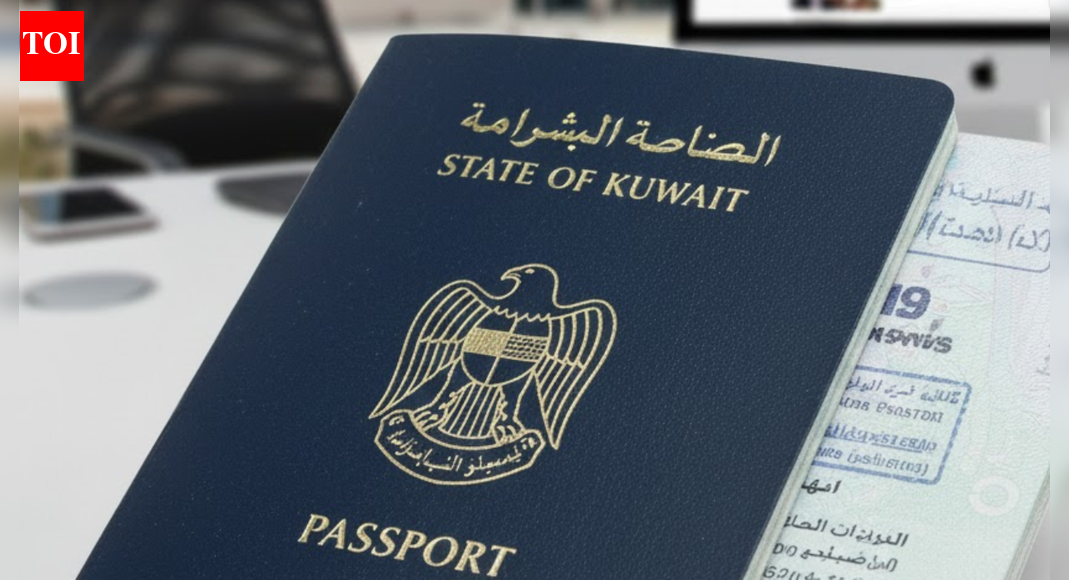
In addition to changes in government support and lottery systems for the Hajj 2026, Egyptian authorities have made it clear that Muslims going for Hajj must submit certain requirements regarding visas and health documents. The Egyptian Ministry of Tourism and Antiquities has confirmed that pilgrims are required to present a “Health Fitness Certificate” before they can be given a Hajj visa. The health certificate is a medical document that verifies the pilgrims’ ability to carry out the Hajj rituals.
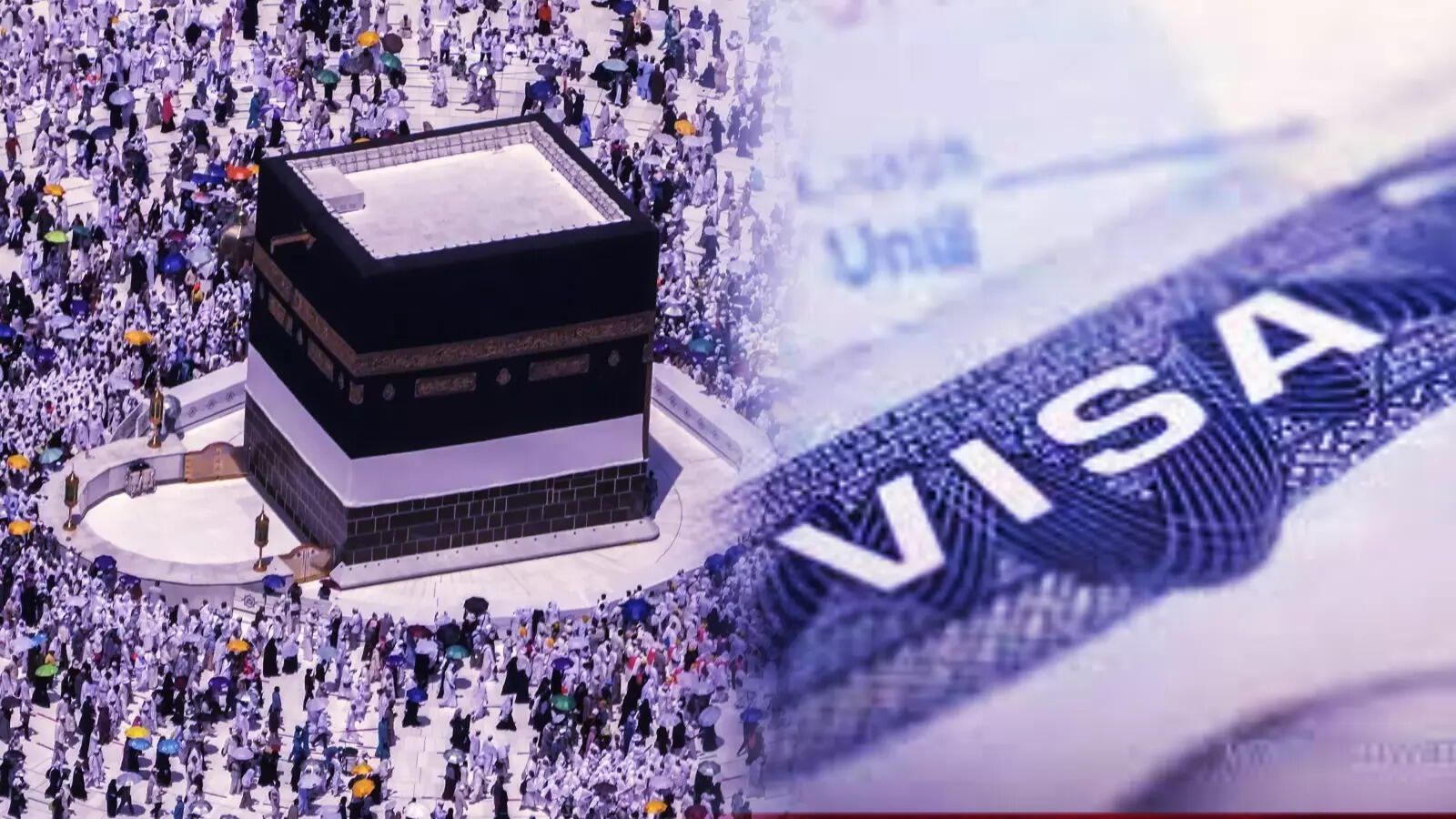
No Hajj Visa Without It: Egypt Introduces Mandatory Health Rule for 2026 Pilgrims
All other official registration formalities have been conducted through the designated channels. The move is a part of the general procedural updates being undertaken to ensure that this is done in an orderly manner and in line with the rules established by the Saudi government, relating to visas as well as safety regulations among the crowds attendant at the annual pilgrimage. Notably, the process of visa application for tourism category Hajj pilgrims is put on hold until this certificate is submitted.
Bottom line
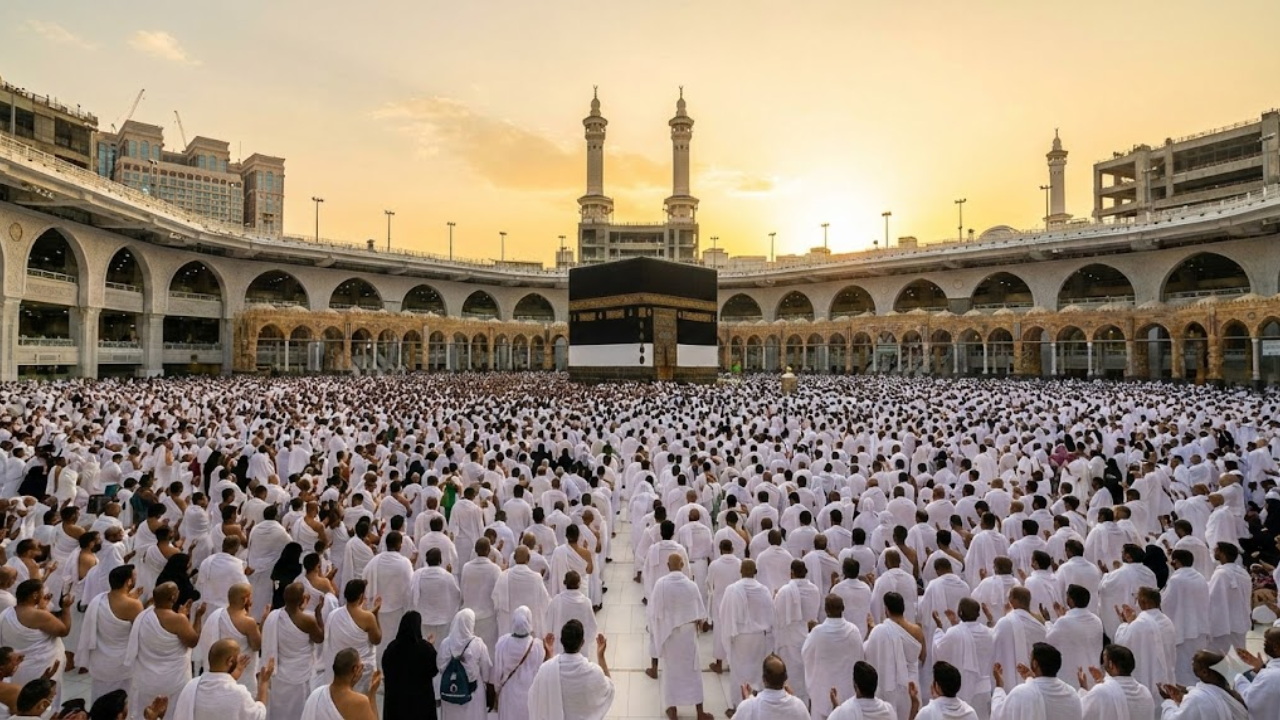
Hajj is one of Islam’s five pillars and essential for Muslims who can afford it but rising costs and economic reforms have made traditional free or subsidised government sponsorships less viable. Egypt’s updated model meets the rising demand and Saudi Arabia’s logistical changes for managing the annual pilgrimage. It prioritises transparency, fairness and controlled access through digital lotteries and regulated tourism channels.For potential pilgrims and their families, the message is clear. Hajj in 2026 will rely on paid, structured packages and lottery allocations instead of blanket government sponsorship. This approach sets a new standard for one of the largest religious migrations on Earth. Go to Source