

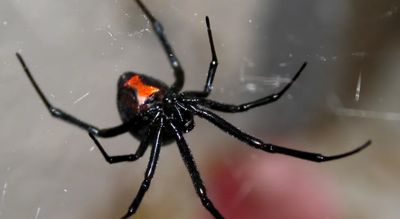
The venom of black widow spiders can cause an array of symptoms in humans. (Image credit: Kimberly Hosey/Getty Images)
Most encounters with black widow spiders happen by accident, a hand in a shed, a brush against a web. In one rare and extreme case documented by clinicians, a woman deliberately introduced black widow venom directly into her bloodstream, leading to severe neurological and respiratory symptoms that required intensive care. The case, published in January 2025, details the treatment of a 37-year-old woman in California who presented to an emergency department with escalating muscle pain, cramping and breathing difficulties after attempting to inject herself with venom from a black widow spider.
The patient and her symptoms
According to the medical report, the woman arrived at hospital with severe muscle cramps affecting her back, abdomen and thighs, alongside a headache, anxiety and signs of physiological distress. Her pulse, respiratory rate and blood pressure were elevated, and her temperature measured 99.5°F (37.5°C), slightly below the clinical threshold for fever. The patient disclosed to doctors that she had attempted to get high by grinding up a black widow spider, from the Latrodectus genus, mixing it with approximately 10 millilitres of distilled water, and injecting the suspension intravenously. Her symptoms began around one hour after the injection. Several hours after admission, her condition worsened. She developed severe wheezing and difficulty breathing, prompting doctors to transfer her to the intensive care unit. The patient had a known history of asthma, and the physicians suspected that her breathing difficulties may have been worsened by an allergic reaction to a protein found in the venom.
Diagnosis and treatment decisions
Doctors concluded that the woman’s symptoms were caused by exposure to black widow venom, which is known to disrupt signalling in the nervous system. According to Harvard Medical School, the venom can trigger muscle spasms, rapid heart rate, high blood pressure and, in some cases, inflammation that restricts breathing. In this case, clinicians noted that the exposure was likely far greater than what occurs during a typical spider bite. A black widow bite injects a very small quantity of venom, while the woman had ground up the entire spider. On average, a black widow’s venom glands contain around 0.2 milligrams of venom, meaning the dose may have been orders of magnitude higher than usual. Doctors initially administered intravenous calcium gluconate to relieve muscle cramping, but her symptoms did not improve significantly. She was then given morphine for pain control. To manage her breathing difficulties, ICU staff attempted three treatments of albuterol, a medication commonly used to relax airway muscles in asthma patients. When this proved ineffective, they switched to methylprednisolone, a steroid, followed by nebulised treatment. Antivenin was considered but ultimately ruled out. Black widow antivenin carries a risk of anaphylaxis, a severe allergic reaction, and doctors suspected that administering it could worsen her already compromised breathing. Instead, they continued supportive care, including morphine and lorazepam to ease muscle spasms and cramping. By the second day of treatment, the woman’s breathing had returned to normal, her lungs were clear, and her muscle pain had resolved. She was transferred to a general ward and discharged the following day, with instructions to continue her asthma medications and take oral steroids to manage any lingering inflammation.
Why the case stands out
Most black widow venom exposures are accidental. Around 2,600 bites from Latrodectus species are reported annually in the United States, according to the National Poison Data System, typically occurring when people inadvertently disturb spiders near their webs. Deliberate exposure for recreational purposes is rare but documented. The case report notes that intentionally injecting spider venom, or inducing a bite, has appeared sporadically in medical literature. In one widely reported example from 2023, an eight-year-old boy in Bolivia allowed a black widow to bite him after believing it would give him Spider-Man-like powers. Clinicians involved in the California case emphasised that injecting venom directly into the bloodstream bypasses the body’s usual defensive barriers and can dramatically amplify toxicity, especially in patients with underlying respiratory conditions such as asthma. Go to Source