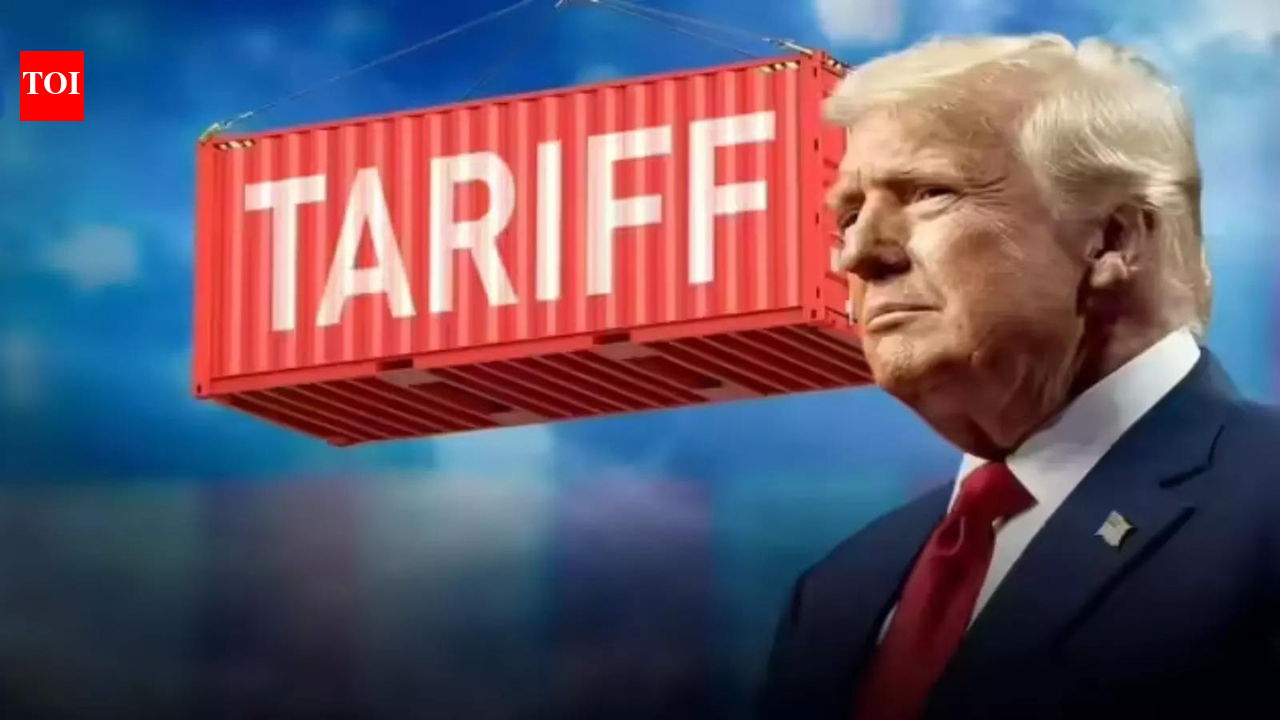

The US Supreme Court’s ruling striking down tariffs imposed under emergency powers has triggered a fundamental constitutional question: can a president –including Donald Trump — overturn or bypass a Supreme Court decision on tariffs?The answer, rooted in the US Constitution’s separation of powers, is clear. A president cannot reverse a Supreme Court ruling. But the judgment itself explains why — and outlines the limited paths still available to the executive branch.
Supreme Court has the final word on constitutional meaning
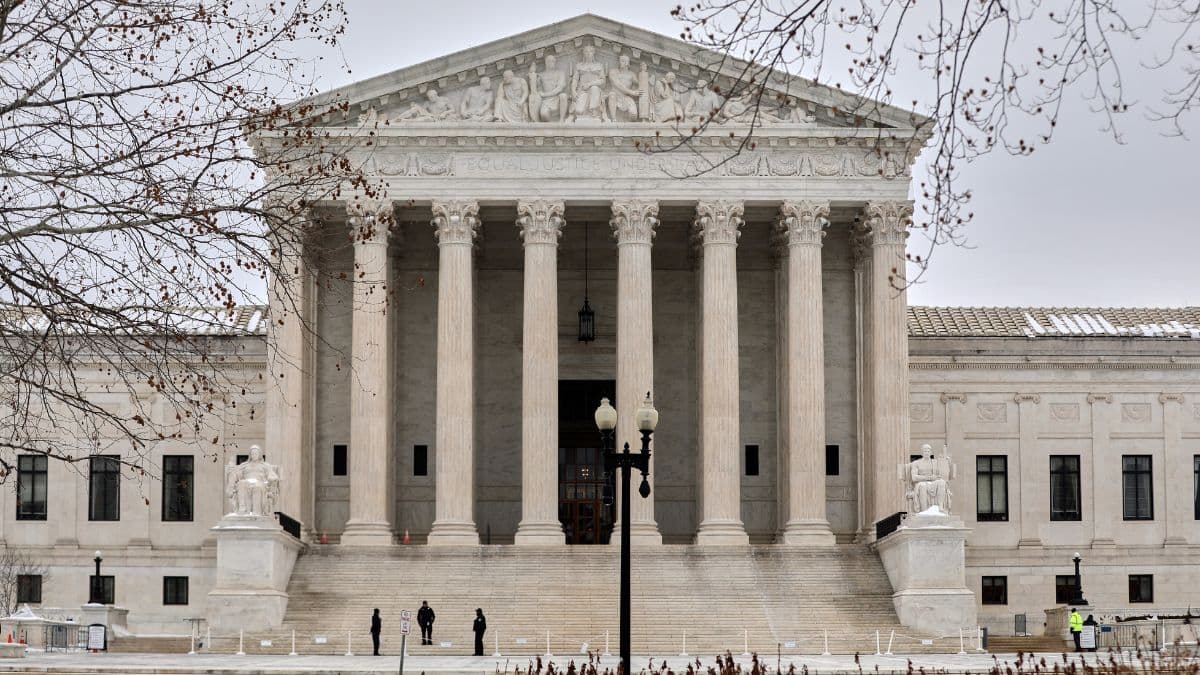
Under Article III of the US Constitution, the Supreme Court exercises judicial power to interpret federal law and determine whether presidential actions comply with statutes and constitutional limits.In Learning Resources, Inc. v. Trump, the Court held that the International Emergency Economic Powers Act (IEEPA) does not authorise a president to impose tariffs, rejecting the administration’s claim of sweeping emergency authority.The Court emphasised that tariffs are fundamentally taxes — and taxation authority belongs to Congress.“There is no exception to the major questions doctrine for emergency statutes. Nor does the fact that tariffs implicate foreign affairs render the doctrine inapplicable. The Framers gave “Congress alone” the power to impose tariffs during peacetime.” the Court wrote, reaffirming Article I’s allocation of taxing power. Once the Court interprets a statute or constitutional provision, that interpretation becomes binding law nationwide. The executive branch must comply.
Why a president cannot overturn the ruling
The Constitution divides government power among three branches:
- Congress (Article I) writes laws and controls taxation and tariffs
- The president (Article II) executes and enforces laws
- Courts (Article III) interpret laws and resolve disputes
Because tariff authority derives from Congress’s taxing power, the Court ruled, “The president has no inherent authority to impose tariffs independently during peacetime.”That means a president cannot:
- nullify a Supreme Court judgment by executive order
- reissue identical tariffs under the same rejected legal theory
- ignore the ruling without triggering a constitutional conflict.
The Court stressed: “There is no major questions exception to the major questions doctrine. Accordingly, the President must “point to clear congressional authorization” to justify his extraordinary assertion of the power to impose tariffs,” which it found absent in IEEPA.
The constitutional principle behind the decision
Central to the ruling is separation of powers — a system designed to prevent concentration of authority in one branch.The justices warned that allowing tariff powers through vague emergency language would create unchecked presidential authority over trade policy and the broader economy.According to the judgment, Congress historically delegated tariff authority only through statutes containing explicit limits on scope, duration and procedure.The Court also relied on the “major questions doctrine,” under which courts require clear legislative approval before allowing executive action involving vast economic and political consequences.
What Trump or any president can still do
While the ruling blocks tariffs imposed under IEEPA, it does not eliminate presidential trade power entirely.The Constitution leaves several lawful options:
- Seek new legislation from Congress: Congress can explicitly authorise tariffs through new statutes. If lawmakers grant clear authority, tariffs could return in a legally sustainable form.
- Use other trade laws: Other statutes contain detailed procedures allowing tariffs under specific conditions, though the Court did not evaluate hypothetical future actions.
- Pursue future litigation: A later case could revisit related legal questions, though only the Supreme Court itself can overturn its precedent.
- Shape future courts indirectly: Presidents influence constitutional interpretation over time through judicial appointments when vacancies arise.
What a president cannot legally do
The ruling makes clear that a president cannot:
- claim emergency authority alone to impose tariffs
- reinterpret the same statute contrary to the Court’s holding
- bypass Congress to exercise taxation powers.
The justices noted that emergencies do not justify transferring core legislative powers to the executive without explicit language from Congress.Why the decision matters beyond TrumpThe case can be viewed as one of the most significant separation-of-powers rulings affecting economic policy in decades.The Court concluded that accepting the administration’s argument would have allowed tariffs of unlimited amount, duration and scope based solely on a presidential emergency declaration.By rejecting that claim, the ruling reasserts congressional control over trade policy and narrows how emergency powers can be used to reshape the economy. Go to Source