
This Steven Pinker Tweet Is Making People Rethink Fights Forever
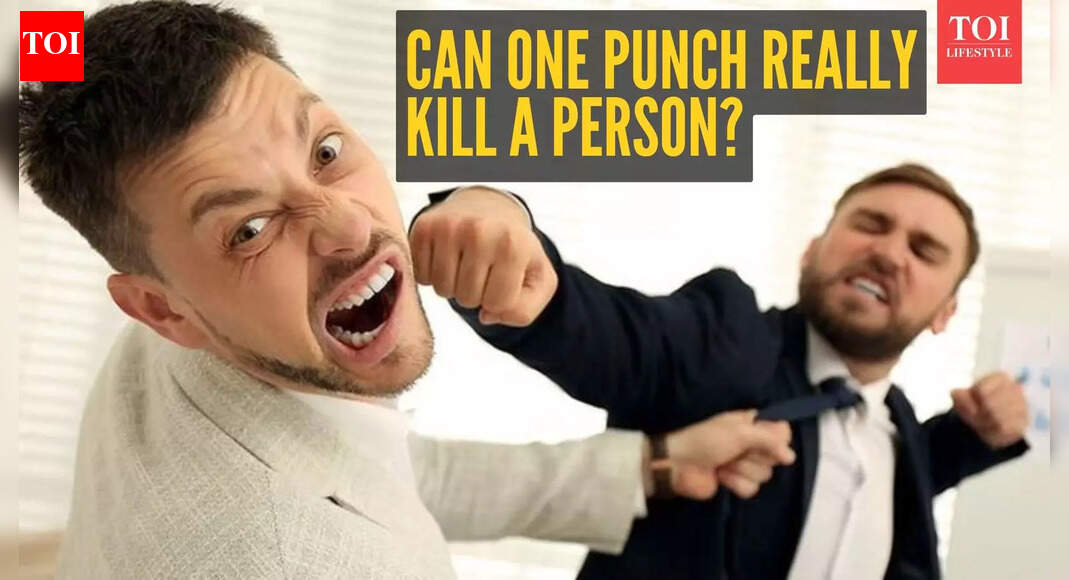
In movies and thriller dramas, we have all seen how one punch knocks the villain out cold, followed by dramatic music and the scene is over but can that single swing in real life have fatal consequences? Hollywood treats punches like punchlines but science treats them like potential homicide and a viral Steven Pinker tweet is reminding the Internet why that difference matters.The recent tweet by the renowned psychologist and author has reignited a serious conversation online. Taking to his X (formerly Twitter) handle this Thursday, Pinker tweet, “In the movies, a character may deliver a strong punch to the head for laughs, or they may smack each other repeatedly for the action. In real life, a single punch to the head can kill. A documentary was made about this: One Punch Homicide. If there were greater awareness of this danger, barroom brawls and road rage might kill fewer people (sic).”While Hollywood often treats punches as comic fodder or routine action spectacle, real-world evidence shows that one punch can indeed be fatal or cause life-altering brain injury, sometimes even when neither party expected violence to escalate.
Stories from reality: Fatal one-punch incidents
The documentary One Punch Homicide and similar accounts documented in news and legal records narrate multiple cases where a single blow ended a life or permanently maimed someone. Filmmaker Steve Kokette’s research identified dozens of documented incidents where individuals died after only one punch was thrown.In one reported case in Watsonville, California, a man died after a single punch during a confrontation; severe blunt force trauma to the head was identified as the cause of death following days on life support. In the UK, an 82-year-old man’s skull was shattered in a one-punch assault, demonstrating that even older adults can be fatally injured by a single blow to the head. These examples underscore an uncomfortable truth: what might seem like a brief flare-up or momentary aggression can lead to fatal consequences for both victim and aggressor alike.
Why a single punch can be deadly
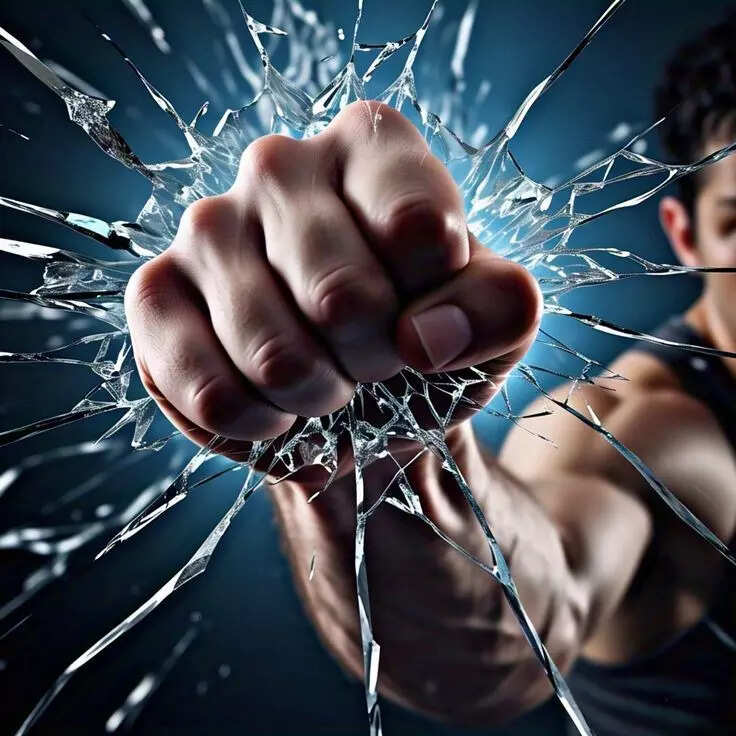
Medical and biomechanical experts explain that the danger is not just about strength, it is about how impact affects the brain and skull. When a powerful blow is delivered to the head, the brain (suspended in cerebrospinal fluid) can suddenly accelerate or decelerate within the skull. This rapid movement can cause the soft brain tissue to impact the hard inner skull surface, leading to traumatic brain injury (TBI) such as haemorrhaging, swelling, or tearing of blood vessels.In severe cases, these internal injuries occur without obvious external signs and can quickly lead to unconsciousness, coma or death. Victims may appear conscious initially but deteriorate rapidly as bleeding or swelling continues. According to biomechanics research, the location and force of the impact play a significant role in injury severity. Lateral or angled hits that force the head to sharply rotate are especially dangerous because they cause more severe brain shear and internal damage than a direct frontal punch.Surprise punches also increase the risk. Individuals who are not braced for impact cannot engage neck muscles or instinctively protect themselves, meaning the entire force is absorbed by the head and brain, not distributed through defensive posture.This scientific understanding helps explain why people sometimes die even from a single punch that, on the surface, does not look extraordinarily hard. It is not just the force but how and where it lands.
Real-life consequences of a punch beyond death
Even when a punch does not prove fatal, it can leave people with permanent disabilities or long-term injuries. The One Punch Homicide site documents individuals who lost vision or required multiple surgeries after a single blow, highlighting that serious non-fatal outcomes are far from rare.

Hollywood Lies About Fights. Steven Pinker Says One Punch Can Be Fatal
Traumatic brain injuries, lifelong neurological damage, and chronic headaches are among the consequences survivors may face. Since the brain controls virtually every bodily function, damage can affect speech, memory, motor skills and emotional regulation.One reason society may underestimate the danger of a single punch is media representation. Films, TV shows and video games often depict fights where characters throw and receive blows without lasting harm. Pinker pointed to this contrast between fiction and real life as part of his message as the casual treatment of punches on screen can obscure just how serious one strike can be.Documentaries like One Punch Homicide and One Killer Punch also explore how normal social interactions can escalate into violence with deadly consequences and how a moment’s aggression in a bar, on the street or at a party has cost lives and devastated families.Across jurisdictions, courts have grappled with how to treat one-punch attacks that result in death. Some cases lead to manslaughter or murder charges, reflecting society’s view that even a single intentional blow can carry responsibility for gravely harmful outcomes. Aside from criminal penalties, survivors and families often endure long legal battles, financial costs and emotional trauma, underscoring that the impact of a one-punch death extends far beyond the moment of violence.Public health advocates argue that education and preventive awareness are key to reducing such tragedies. Pinker’s tweet and the documentary’s message suggest that if people understood the real risks of how quickly a punch can escalate into death, there might be fewer bar fights, road-rage incidents and everyday confrontations that spiral out of control.
Steven Pinker Just Ruined Fight Scenes for Everyone And Possibly Saved Lives
Programs aimed at young adults and high-risk environments (like bars, clubs and sporting events) increasingly focus on violence prevention, conflict resolution and the long-term consequences of impulsive actions.
Bottom line
The idea that a single punch can kill is not just a dramatic warning, it is supported by real stories and medical reality. While many punches do not end in death, the biomechanics of head injuries demonstrate that rapid, unprotected impacts to the head can produce severe internal damage that proves fatal or permanently disabling.Steven Pinker’s viral tweet, referencing a film meant to raise awareness, has helped propel this important public safety discussion into the spotlight. Whether in a barroom, on the street or in everyday interactions, the lesson is clear: violence, even in a single blow, carries far greater risks than most people realise. Go to Source