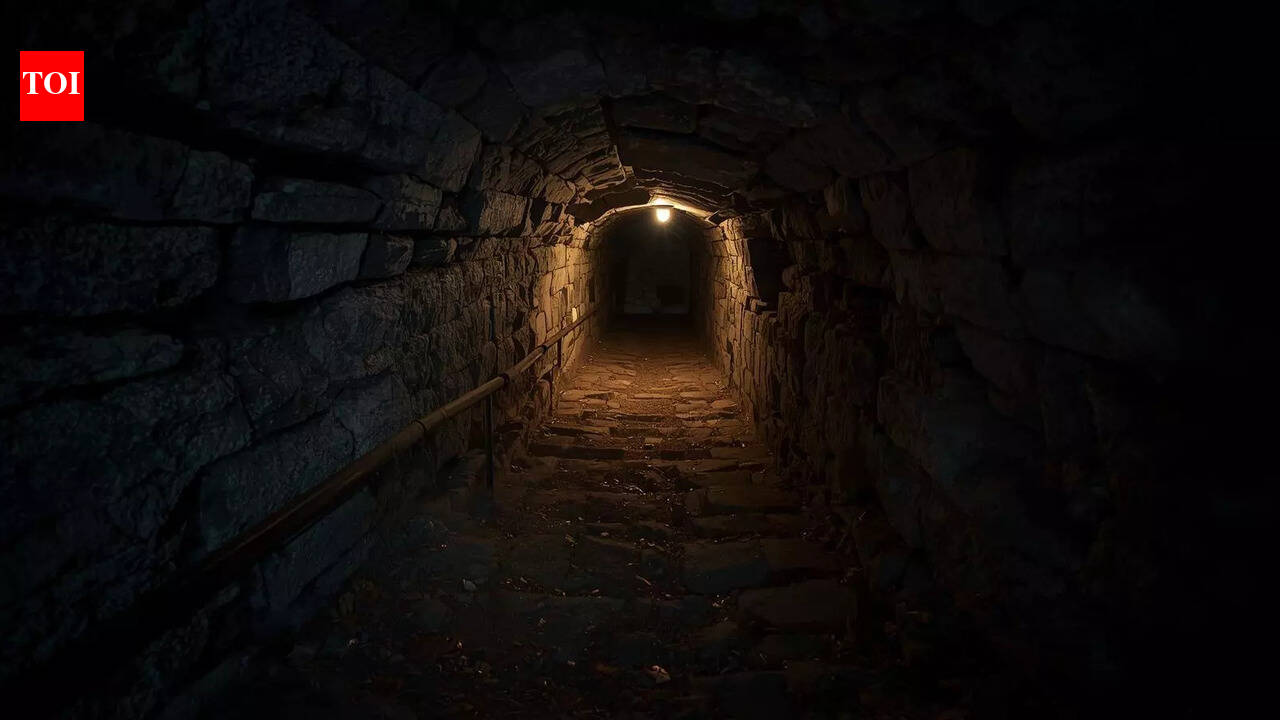

Ancient underground cities in Turkey reveal how entire communities lived below ground (AI-generated)
Beneath familiar landscapes, traces of everyday life sometimes survive in places few expect to find them. Across parts of the world, tunnels, chambers and stairways cut into rock show that living underground was once a practical choice, not a novelty. These spaces were not temporary shelters or isolated caves. They were planned environments where people cooked, stored food, worshipped and waited out danger. Many underground passages promoted today as lost cities are little more than mines or short refuges. A smaller number, however, were full habitations used over generations. In central Turkey, one This discovery is reshaping our understanding of how entire communities adapted to conflict and climate. Communities adapted to conflict and climate. The remains lie beneath modern streets, largely unseen, yet carefully organised for life below ground.
Turkey’s Cappadocia region contains dozens of fully developed underground cities
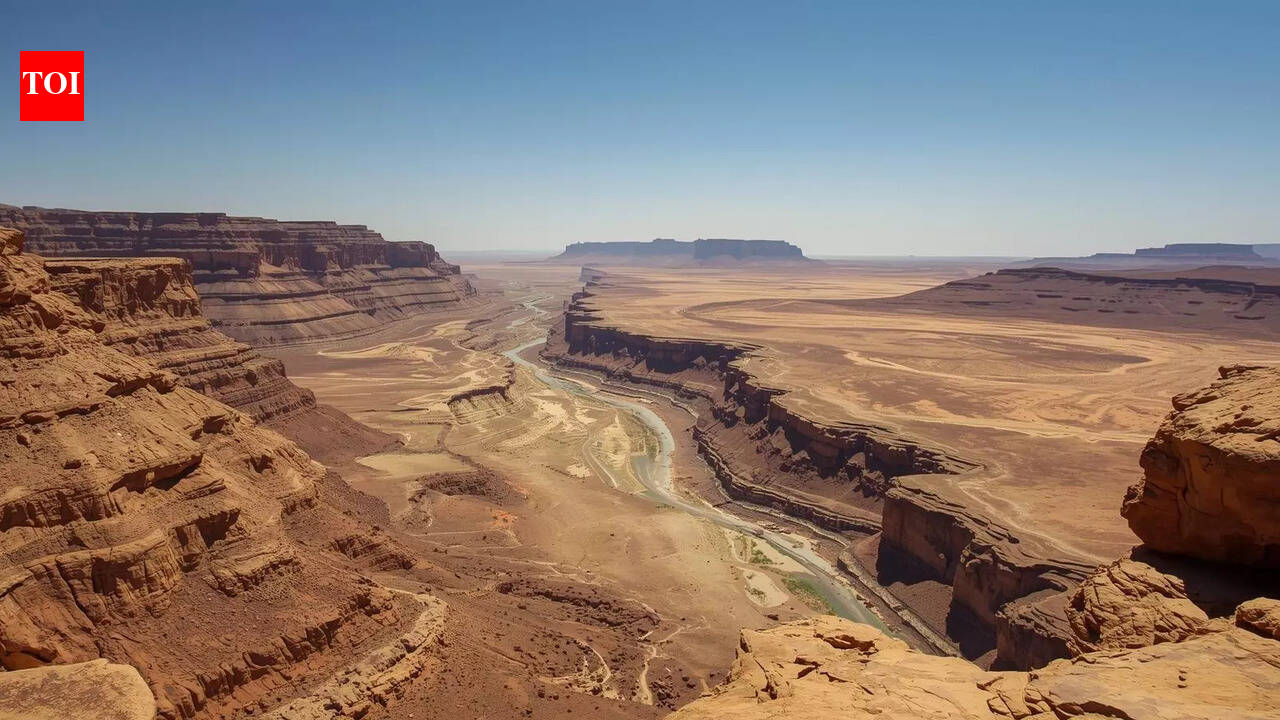
The most extensive underground settlements known today are found in the Cappadocia region of central Turkey. The area is shaped by thick layers of volcanic ash rock, known as tuff, which is soft enough to carve but strong enough to hold its form. Over centuries, local communities cut rooms, corridors and shafts deep into this material. According to National Geographic, archaeologists have documented at least 36 underground cities across Cappadocia. Some were small refuges. Others expanded into multi-level complexes. The best known, Derinkuyu, reaches around 85 metres below the surface and includes living quarters, kitchens, storage rooms, chapels and ventilation shafts.
Why people chose to live beneath the surface
Life underground offered protection. Cappadocia sat at the crossroads of empires, religions and trade routes. Invasions were frequent. When danger approached, residents could retreat below ground, seal entrances with heavy stone doors and survive for weeks or months.The underground cities were designed for this purpose. Narrow tunnels limited movement. Air shafts supplied fresh oxygen. Water channels connected to wells. Livestock were sometimes kept inside, adding warmth and food but also requiring careful ventilation.
Discovered beneath Nevşehir Castle
In 2013, a housing development near a Byzantine-era castle in Nevşehir revealed hidden entrances to a previously unknown underground settlement. Construction stopped, and archaeologists were called in. What they found was far larger than expected.Beneath the hilltop castle lay a network of rooms and tunnels stretching across several kilometres. Early surveys suggest the complex may rival or even exceed Derinkuyu in size. Artefacts, including ceramics, stone crosses and grinding tools, point to long-term use from Byzantine times through the Ottoman period.
How researchers are estimating its true size
Geophysicists from Nevşehir University conducted detailed surveys using resistivity and seismic imaging. These methods allow scientists to map voids in rock without excavation. According to dozens of measurements, the underground city covers nearly five million square feet. Some corridors may reach depths of more than 110 metres. If confirmed, this would make the site one of the deepest known underground habitations. Researchers caution that much remains unexplored, and fragile rock conditions slow progress.
What daily life looked like below ground
The layout suggests a self-sustaining community. There are signs of kitchens, wineries and linseed presses used to produce oil for lamps. Chapels indicate regular religious practice. Storage rooms would have held grain and dried foods.Living underground was likely dark and crowded. Yet these spaces were carefully planned, not improvised. Over time, residents refined the design, expanding rooms and improving airflow. The cities were not hidden forever. People returned to the surface when threats passed.
Cappadocia became a refuge zone
Cappadocia adopted Christianity early. By the fourth century, its bishops held influence within the Byzantine Empire. This religious identity made the region a target during centuries of conflict over Anatolia. Muslim forces arrived in the late eighth century. Later came the Seljuk Turks, followed by Ottoman rule. Through each shift, underground cities provided continuity. They allowed communities to endure without constant rebuilding or flight.
What the future holds for these underground cities
Local authorities see cultural and economic potential. Plans include opening sections of the Nevşehir site to the public and developing museums and walking routes. There are also proposals for above-ground tourism facilities. Archaeologists remain cautious. Excavation carries risks, as the soft tuff can collapse. Work continues slowly, clearing rubble and documenting spaces as they emerge. Each chamber adds another detail to a long, quiet record of people who once lived beneath the earth, not as legend, but as routine. Go to Source