
Representative image
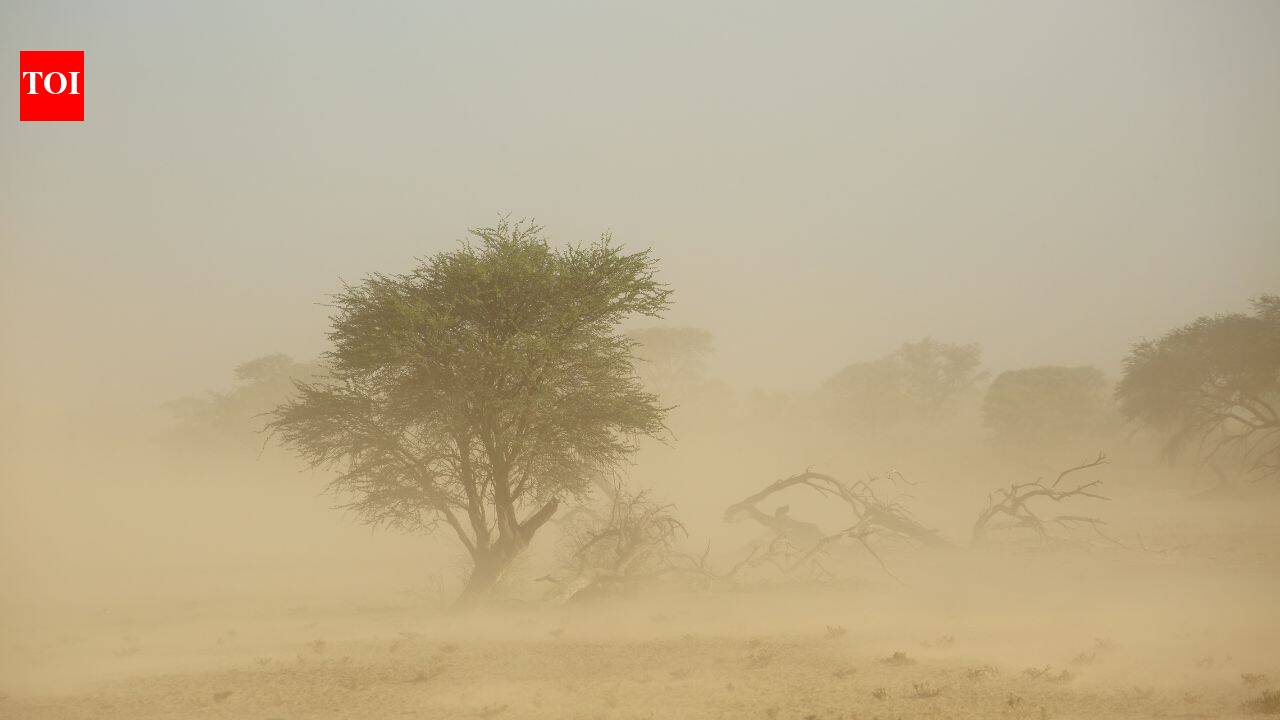
For years, dust storms were part of everyday life in Kalgoorlie-Boulder. When the wind picked up, the outback mining city could disappear under choking clouds of red and grey dust, forcing people indoors and bringing the town to a standstill.Today, that problem is a fraction of what it once was. Thanks to a long-running greening effort that began in the 1970s, the city is now protected by thousands of hectares of forest, rehabilitated land and carefully managed reserves, according to ABC.
How bad it used to be
According to ABC, long-time local Doug Daws remembers the storms vividly. He said people would hear the wind approaching and rush to shut every window and door before the dust arrived. Even then, it often did not help much.The problem was not new. Dust storms had been affecting the region since the 1890s, when gold mining transformed the landscape around Kalgoorlie-Boulder. Clearing land for timber, digging mines and dumping tailings left the soil exposed and easy for the wind to lift into the air.What people saw in town was the result of a wider environmental chain reaction. The mining boom stripped away vegetation, destabilised topsoil and left behind huge piles of loose waste material that became fuel for dust storms.
The radical idea that changed everything

Representative image
In 1973, a turning point arrived with Julian Grill, who came to Kalgoorlie-Boulder from Broken Hill and proposed a bold solution. Instead of accepting dust as the price of living in a mining town, he suggested the city fight back with planting, rehabilitation and land management.At first, the idea sounded unrealistic. But the city was dealing with economic uncertainty, and Daws later recalled that the town had little to lose by trying something new. Grill became chair of the Goldfields Dust Abatement Committee, and that committee set out to reshape the land around the city.What followed was a plan that sounded almost experimental: spread wood chips over bare ground, plant saplings in harsh, dry areas, cover mine tailings with rocks and build reserves to stop dust reaching the town from the north.
Rebuilding the landscape
The committee’s work was ambitious. Six reserves were created to act as a northern buffer, eventually becoming about 3,500 hectares of forest. That green belt was designed to trap dust before it could blow into the city.It was not an easy project. Vandals destroyed hundreds of saplings early on, forcing the committee to fence off areas and press ahead even without much formal authority. But the work continued because local people believed the problem was too serious to ignore.Another major challenge was mine tailings, which were among the biggest sources of windblown dust. In the late 1980s, many of those scattered dumps were gathered into a single storage area, reducing the amount of exposed material around the city.
A slow win that paid off
The dust reduction did not happen overnight. It took around 20 years for the abatement work to fully take effect, but the results were dramatic. By the early 1980s, dust storms still reached the area, yet they were weaker by the time they got close to town.Today, dust levels are usually well below national air quality recommendations. The city still deals with dust, as any outback community does, but it is nothing like the storms that once shut down daily life, as per the report.
What the committee became
Once the original mission was largely complete, the Goldfields Dust Abatement Committee evolved into the Kalgoorlie-Boulder Urban Land Care Group, or KBULCG, in 1994. Its work shifted from battling dust alone to broader greening and land care efforts across the city.Today, the group focuses on planting trees, maintaining reserves and supporting the green spaces that now protect and beautify the region. The once-controversial forest is also a popular recreation area, with walking trails, playgrounds and picnic spots.KBULCG chief executive Kim Eckhert says the town would look very different without the foresight of the people who started the work decades ago. She says the project shows how important long-term thinking can be, especially in a place shaped by mining and harsh weather, as reported by ABC.
Why it still matters
Kalgoorlie-Boulder’s dust story is more than a local success. It is a reminder that environmental problems sometimes need patient, community-led solutions rather than quick fixes. The city did not solve its dust problem by accident; it solved it by combining science, volunteer effort and determination over many years.That legacy is still visible today in the trees, reserves and rehabilitated land around the city. It is also visible in the attitude of the people who lived through the worst of it and helped change it.
A town that refused to accept defeat
Kalgoorlie-Boulder’s story is ultimately one of refusal; refusal to accept dust as inevitable, refusal to let mining damage the city forever and refusal to wait for someone else to fix the problem.What began with a $10,000 grant and a risky idea became a decades-long transformation that still shields the city today. The dust may once have ruled the wind here, but the people of Kalgoorlie-Boulder fought back, and their work continues to shape the town’s future. Go to Source