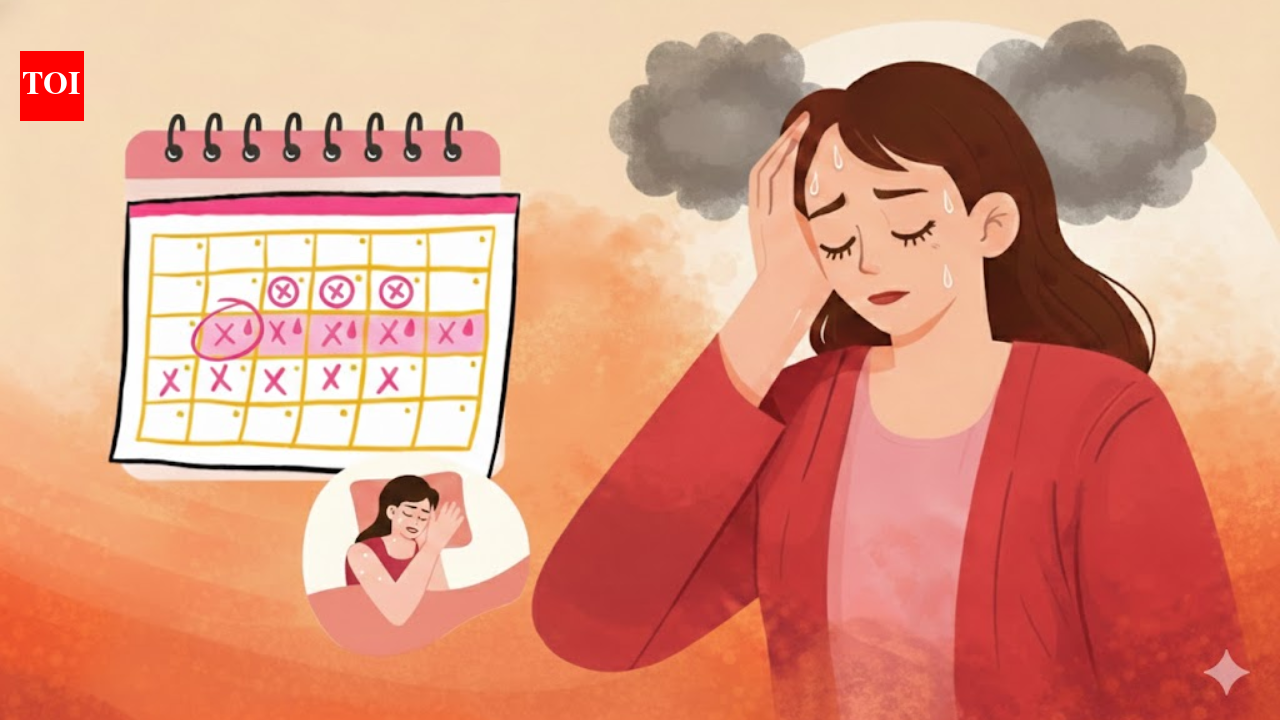

An AI-Generated image
Society has long taught women to place the yardsticks of their self-worth on how desirable they are perceived, glorifying fertility, rewarding youth, and quietly framing ageing as a departure from femininity. Women are often told that their prime years end once they cross 40, that beauty inevitably fades, and that their needs will slowly matter less. This conditioning collides sharply with the biological reality of perimenopause and menopause. It’s not just your body changing but at the same time it’s the world making you feel like your value is changing too.What is commonly perceived as freedom from the menstrual cycle is also, for many women, accompanied by profound physical, cognitive and emotional shifts. Persistent fatigue, sudden weight gain, disrupted sleep, hot flashes, mood swings, fluctuating hormones and changes in self-image take a gradual toll and often lasts over several years for many women.As these symptoms remain largely invisible, women are frequently dismissed as moody or irritable, even as they struggle to anchor themselves through a life transition they were never prepared for. Beneath the surface, a woman’s inner world works quietly to adjust, adapt and endure, negotiating not just hormonal change, but a society that rarely makes dignified space for ageing femininity. According to the World Health Organization (WHO), menopause generally occurs between ages 45 and 55, but perimenopause can start several years earlier. During this transition, hormone fluctuations affect not only reproductive health, but also bones, metabolism, heart health, cognition, and emotional wellbeing.Yet despite being universal, menopause is one of the least openly discussed life stages. In India, conversations around women’s health often focus on fertility, pregnancy, and childbirth, leaving menopause largely unspoken.Many women interpret symptoms as stress, burnout, sickness, or ageing, rather than part of a biological transition, and navigate these changes alone.She notices it first in quiet moments, the way her sleep thins, how her patience frays, how her body no longer moves through the day like an unquestioned ally. She starts to carry the memory of her younger self like a reference photograph, of a woman who inhabited her body effortlessly, whose hormones hummed obediently, whose skin held its promises, whose energy felt abundant. Back then, when femininity felt effortless.Now, each new symptom arrives like a private reckoning and an enduring struggle every day. Heat blooms under her skin without warning. Mood shifts suddenly, uninvited and insistent. Her reflection feels unfamiliar, not unrecognizable, but altered, as if someone has adjusted the contrast. She searches her face for continuity, for reassurance that she remains legible to the outside world.And then she realises that society had prepared her poorly for this chapter. There are rituals for becoming a woman, celebrations for motherhood, but crossing this quiet life stage is marked by silence, jokes, whispers, or warnings, as if it were something to endure discreetly, like a flaw.She shrinks under the weight of comparison. Advertisements and casual comments reflect an unspoken rule, women are the best of themselves when they are young. Anything beyond that feels like a departure, a loss. She wonders if she, too, has somehow absorbed this belief and starts to mourn the ease of being admired without effort, of being assumed fertile, flexible, endlessly becoming.
Understanding menopause and perimenopause
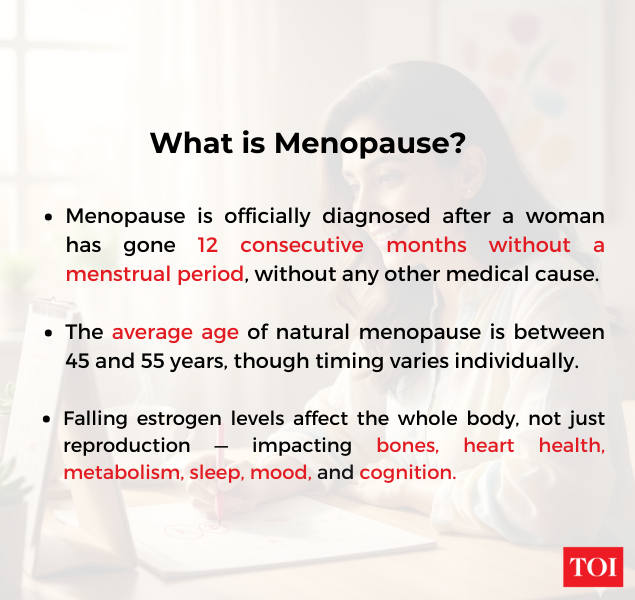
What is Menopause?
Menopause is a natural biological transition, defined as the point when a woman has not had a menstrual period for 12 consecutive months. Perimenopause is the phase leading up to menopause, often beginning several years earlier, when hormone levels fluctuate and the body begins to change. According to the World Health Organization (WHO), menopause generally occurs between ages 45 and 55, though timing varies individually.
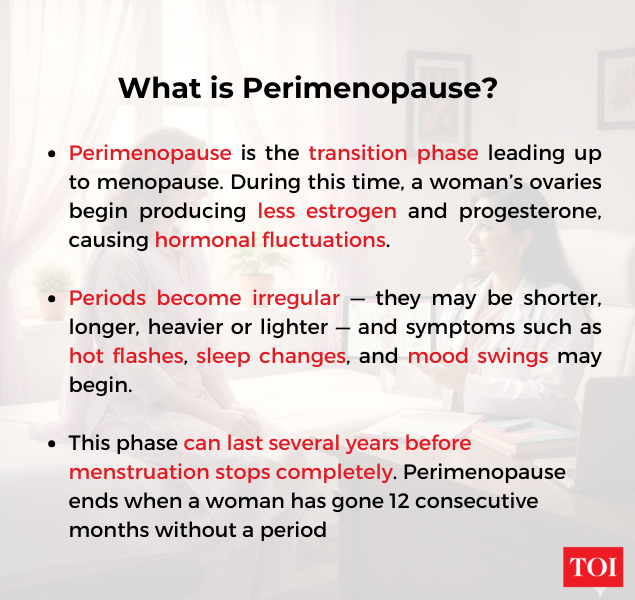
What is Perimenopause?
During this transition, declining levels of estrogen and progesterone affect multiple systems in the body, from reproductive health to bones, metabolism, heart health, cognition, and emotional wellbeing. While menopause is universal, its manifestations differ widely from woman to woman.
Common symptoms women experience
Physical symptoms
- Irregular periods or changes in menstrual flow
- Hot flashes and night sweats
- Fatigue and low energy
- Weight gain or changes in fat distribution
- Joint and muscle pain
- Sleep disturbances
- Vaginal dryness or urinary changes
- Skin changes, loss of elasticity
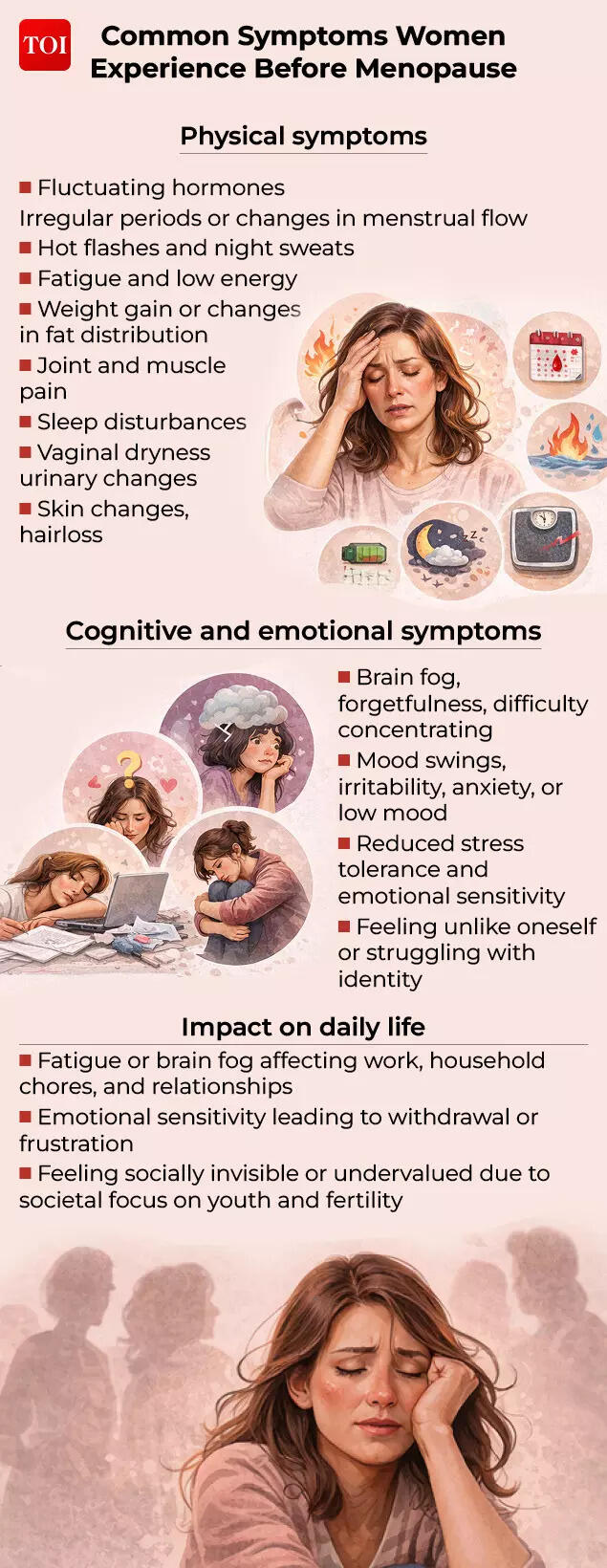
Cognitive and emotional symptoms
- Brain fog, forgetfulness, difficulty concentrating
- Mood swings, irritability, anxiety, or low mood
- Reduced stress tolerance and emotional sensitivity
- Feeling unlike oneself or struggling with identity
Impact on daily life
- Fatigue or brain fog affecting work, household chores, and relationships
- Emotional sensitivity leading to withdrawal or frustration
- Feeling socially invisible or undervalued due to societal focus on youth and fertility
Dr Charulata Bansal, Senior Consultant – Obstetrics and Gynaecology at Cocoon Hospital, Jaipur, describes the physical changes that drive these experiences.“Ovulations become irregular, hormones known as progesterone drops first and estrogen rises, falls unpredictably before declining steadily. Once menopause occurs defined as 12 months without a period — level of estrogen remains consistently low. These normal shifts affect multiple system of body such as brain, (temperature regulation, mood, sleep), bones (accelerated bone loss), heart (changes in cholesterol and vascular health), skin (loss of collagen and elasticity), muscles (reduced strength), and metabolism (increased insulin resistance and fat redistribution, especially around the abdomen). Due to loss of estrogen vaginal and urinary tissues become thin causing dryness or urinary symptoms. In brief menopause is whole body transition not just only a reproductive one.”She added that mental and cognitive symptoms are well documented.“In medical literature mental and cognitive symptoms of menopause are very well recognised. Commonly reported issue mainly includes anxiety, low mood, irritability, reduced stress tolerance, poor sleep, and depressive symptoms especially during perimenopause when levels of hormones fluctuate the most. Brain fog is a frequent complaint and it may also involve forgetfulness, difficulty concentrating, slower word recall, and reduced mental clarity. These symptoms are also associated to role of estrogen in neurotransmitters like serotonin, dopamine, and acetylcholine, which impact mood and cognition. Women often report feeling unlike themselves, emotionally reactive, or mentally slower—sometimes mistaken for burnout or aging. Significantly these symptoms are common, they are not imagined and not the indicators of permanent cognitive decline. With the help of appropriate support most are reversible and manageable.”
.
Dr Anita Gupta, a highly respected senior Gynecologist and Obstetrician in Delhi NCR with over 35 years of experience in women’s health, explains that the most commonly reported concerns among women during perimenopause and menopause stem from fluctuating hormone levels. She highlights issues such as irregular periods, hot flashes, night sweats, vaginal dryness, and mood swings as the symptoms women most frequently notice and discuss with their doctors.Speaking on the hesitation many women feel in openly discussing menopause, she notes:“In urban cities, women are increasingly talking about perimenopause and menopause with gynaecologists. But in rural areas, there is still considerable ignorance, and many endure symptoms silently, thinking they are just part of ageing.”
.
She also points out that existing health conditions can amplify these symptoms:“Women with autoimmune diseases may experience premature menopause. Those with conditions like diabetes or hypertension may face more severe symptoms.”
When symptoms need immediate attention
Dr Charulata Bansal emphasizes that while many changes during menopause are normal, some symptoms require urgent medical evaluation and should never be ignored.“Some symptoms during midlife require instant medical evaluation and should not be dismissed as normal menopause,” she says, adding that these include heavy or prolonged bleeding, bleeding after menopause, sudden severe mood changes, persistent depression, chest pain, unexplained shortness of breath, severe headaches, or new-onset migraines. Rapid memory loss, confusion, or neurological symptoms should also be assessed.”She further explains that other signs may also indicate underlying health conditions:“After menopause, vaginal bleeding can signal serious conditions and must always be checked. Severe joint pain, extreme fatigue, or unintentional weight loss may indicate autoimmune, thyroid, or metabolic disorders. Recurrent urinary infections, painful intercourse, or persistent pelvic pain also warrant attention. Menopause can coexist with other health conditions, so the main rule is: if a symptom is severe, progressive, or disrupting daily life, it deserves clinical evaluation.”
Self-image, identity, and the psychological impact
Menopause is more than physical change; it reshapes how women perceive themselves. For many, the transition brings a confrontation with an altered body and shifting sense of identity. Dr Radhika Goyal, psychologist and founder of Healthy Nudge, explains that menopause is an identity transition:“Psychologically, many women experience a renegotiation of their relationship with their body. Changes such as fatigue, weight redistribution, sleep disturbances, or reduced stamina can lead to a sense of unfamiliarity with one’s own body, which may affect confidence and self-trust.”She adds that menopause often challenges long-held self-definitions:“Who am I now that my body behaves differently? Am I still capable, desirable, or strong? For many women, this phase brings grief for a former version of the self, alongside uncertainty about the future. At the same time, it can also open space for deeper self-reflection, autonomy, and a shift from externally defined roles toward a more internally anchored identity — if supported psychologically.”
When emotional changes require attention
Women in menopause are frequently labelled as “moody” or “difficult,” and their suffering is often minimised. Dr Goyal emphasizes that emotional changes deserve attention when they interfere with daily life:“Persistent sadness, anxiety, irritability, emotional numbness, panic symptoms, loss of motivation, or a feeling of being ‘unlike oneself’ are not traits to be tolerated or dismissed. It is important to seek help when distress feels chronic, overwhelming, or isolating — especially if accompanied by sleep disruption, loss of interest in life, or difficulty coping with stress.”
.
She underlines that menopause should not require silent endurance:“Emotional pain during this phase is not weakness; it is a signal that support, validation, and sometimes therapeutic intervention are needed.”Practising self-love and self-compassionDr Goyal says that navigating menopause psychologically begins with permission to change:“Self-compassion means acknowledging discomfort, grief, and fatigue without self-judgment or comparison to a previous self. It involves letting go of the expectation to perform emotional stability or productivity for others.”Practical ways to practise self-compassion include:
- Setting gentler boundaries
- Listening to the body’s new needs
- Replacing self-criticism with curiosity: What is my body asking of me now?
“True self-love does not demand positivity; it allows honesty. When women honour their lived experience instead of minimising it, menopause can become a phase of self-redefinition rather than self-erasure.”
When symptoms interfere with daily functioning- lived accounts
Menopause is more than a collection of physical or emotional changes for many women, these shifts directly affect their daily lives, work, relationships, and self-perception. Persistent fatigue, disrupted sleep, and brain fog can make routine tasks exhausting, while mood swings and emotional sensitivity strain relationships.Some women experience mild changes, but for others, symptoms such as irregular periods, fatigue, hot flashes, or mood swings become disruptive. They can affect work, household responsibilities, and personal relationships. These symptoms are normal, but when they interfere with daily functioning, it is important to recognise them and seek appropriate medical or lifestyle support.On speaking to women in their mid-forties to early fifties, many described how perimenopause and menopause profoundly affected their bodies, minds, and daily lives.Some preferred to remain anonymous, and their names have not been revealed to respect their privacy.A 47-year-old woman, a homemaker and mother of two, described the cognitive and emotional toll of these changes:“I started having problems concentrating and felt confused about little things. The brain fog, weight gain, irregular periods, and even small emotional triggers affected how I related to my body,” she said. “My skin became dull, I felt low and emotionally sensitive, and I didn’t feel like meeting others. Sleep remained disturbed, with night sweats and constant fatigue. My mind stayed puzzled, my joints ached, and I felt a persistent weakness in my body.”She added that these changes deeply affected her relationships:“I began feeling old and exhausted all the time.”A 49-year-old Delhi-based advocate shared how persistent fatigue disrupted both her professional and personal life:“There were days I had to drag myself to work,” she said, adding that, “Managing household chores, attending to my family, and dealing with colleagues and clients felt equally exhausting. Life became an unending list of tasks. I stayed angry, felt that nobody understood my symptoms because they were invisible, and I slept whenever I got the chance.”Another woman in her early fifties described her physical symptoms and the challenges they brought:“During menopause my body was not working as normal. There were abnormal periods and the flow was very high. My cycle changed completely. All the time I felt weakness and headache and I was not in the mood of doing anything. In the beginning, it was manageable, but then it became very challenging to face them. It started affecting my life, relationships, and mood. It was a very hard phase of my life — I still remember that.”Yet another woman recalled how she experienced menstruation twice a month, leading to persistent fatigue, body aches, and other health issues that compounded the emotional and physical strain of this phase of life.
Busting menopause myths
Misconceptions about menopause remain widespread, leaving many women unprepared for the changes they experience. Dr Charulata Bansal, Senior Consultant – Obstetrics and Gynaecology at Cocoon Hospital, Jaipur, points out several myths surrounding this transition:
- Menopause only causes hot flashes: One major myth is that menopause only causes hot flashes, while in reality, over 30–40 symptoms are linked to it, including sleep disturbances, joint pain, mood changes, and shifts in heart health.
- Menopause part of ageing: Another myth is that symptoms are ‘just part of aging’ and must be endured; effective medical and lifestyle interventions exist.
- Hormone therapy is unsafe: Many people believe hormone therapy is unsafe for all women, yet current evidence shows it can be safe and beneficial when started at the right time and tailored properly.
- Menopause happens suddenly: Another misconception is that menopause happens suddenly, most women experience years of perimenopausal changes.
- End of vitality or productivity: Menopause is often framed as the end of vitality or productivity, which is false. Many women report improvements in confidence and well-being once symptoms are managed.
Premature and early menopause in India — A growing concern
While natural menopause typically occurs in a woman’s late 40s, a notable minority experience it much earlier. Menopause that happens before age 40 is medically classified as premature menopause, and menopause between 40 and 44 years is considered early menopause. This variation matters because earlier loss of ovarian function is linked to long‑term health risks and psychological impact.Recent Indian research using National Family Health Survey‑5 (NFHS‑5, 2019–21) data shows:
- About 2.2 % of women aged 15–39 have experienced premature menopause.
- Around 16.2 % of women aged 40–44 have reached early menopause.
Another analysis of NFHS‑5 data highlights regional and socio‑economic patterns, showing that close to 5 % of women in rural areas and 3 % in urban areas experience menopause before age 40, with significant variation by education level. Research using NFHS‑5 also shows that the overall proportion of women aged 30–49 who are in menopause (including natural and surgical menopause) is about 14.7 % nationwide, with rural areas showing slightly higher prevalence than urban areas.Why this matters:
- Women experiencing premature or early menopause are exposed to longer periods of low estrogen, which increases the risk of osteoporosis (bone thinning) and cardiovascular disease compared with women who reach menopause later.
- Early onset often coincides with active career and family years, amplifying emotional, social, and economic challenges.
- Experts also point out lifestyle and medical contributors such as smoking, stress, poor nutrition, and chronic illness, which can accelerate ovarian aging and lead to earlier menopause
Practical lifestyle strategies to manage menopause effectively
Dr Charulata Bansal, Senior Consultant – Obstetrics and Gynaecology at Cocoon Hospital, Jaipur, explains that managing menopause works best through proactive lifestyle strategies rather than passive endurance.“Regular strength training and weight-bearing exercises help preserve bone density, muscle mass, and metabolic health. Maintaining consistent sleep routines and limiting caffeine and alcohol intake can reduce hot flashes, sleep disturbances, and mood swings. A protein-rich, fibre-dense diet with adequate calcium and vitamin D supports bone health and energy levels, while reducing ultra-processed foods helps manage insulin resistance,” she says.She adds that stress regulation plays a crucial role during this phase.“Mindfulness practices, breathing exercises, and yoga can significantly reduce anxiety and emotional distress. Staying socially connected and mentally engaged is equally important for protecting mental wellbeing. Tracking symptoms helps women recognise patterns and seek timely medical care. Menopause is not about pushing through discomfort; it is about adapting intelligently and supporting the body through change.”Steps that make a difference
- Seek medical help early: Menopause symptoms should not be silently endured. If changes become persistent, severe, or disruptive, timely medical consultation can prevent complications and improve quality of life.
- Track symptoms and cycles: Keeping a record of menstrual changes, sleep patterns, mood shifts, hot flashes, and energy levels helps identify patterns and supports more informed clinical decisions.
- Move beyond endurance: Menopause management is not about “pushing through” discomfort, but about adapting lifestyle habits to support changing hormonal needs.
- Prioritise bone and metabolic health: Regular weight-bearing exercise, adequate protein, calcium, and vitamin D are essential to reduce long-term risks such as osteoporosis and insulin resistance.
- Protect mental wellbeing: Stress-management practices, emotional support, and staying socially connected are key to managing anxiety, mood changes, and emotional fatigue during this transition.
Menopause is not an endpoint or even a pause, nor a signal to step back from life. As the women we spoke to illustrate, it is a transition challenging, often misunderstood, but also a space for self-discovery, adaptation, and growth. With awareness, medical guidance, and psychological support, women can navigate perimenopause and menopause without shame or silence, reclaiming vitality, confidence, and autonomy. This phase need not diminish identity or worth; rather, it can become an invitation to redefine femininity on one’s own terms, honoring both the body and the lived experience as women navigate this life transition. Go to Source