
Restrictions are likely to be extended to Terai region, including parts of Nainital and Haridwar, and ‘no relaxation will be granted this year’
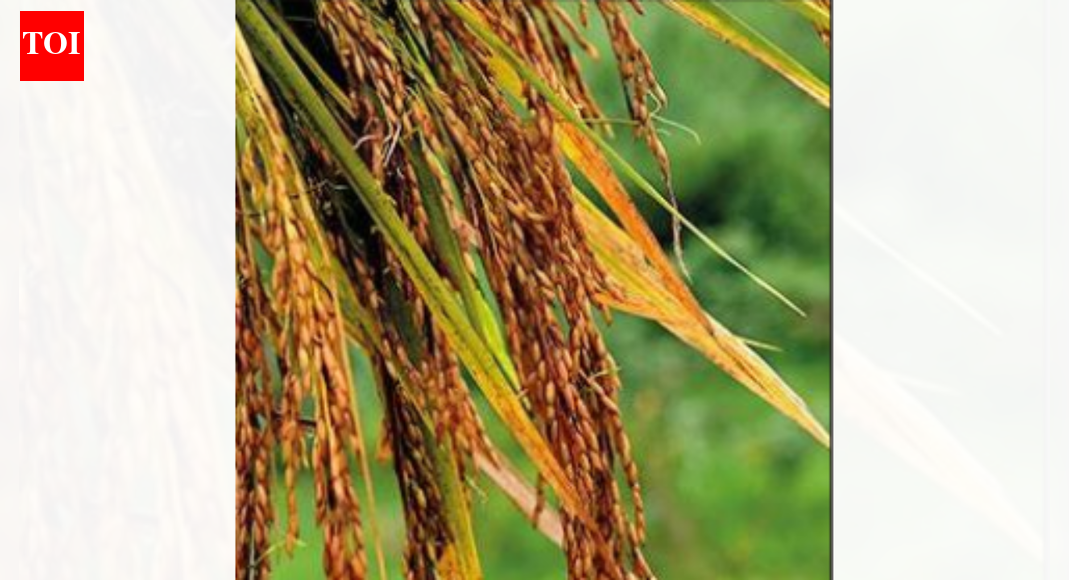
RUDRAPUR: A total ban on summer paddy cultivation is set to be imposed in Uttarakhand’s ‘food bowl’ Udham Singh Nagar from Feb 1 to April 30 – the first such explicit groundwater-linked restriction in the region. The move may directly affect close to 15,000 farmers and put nearly Rs 150 crore worth of produce at stake. The ban covers paddy sowing, nursery preparation and transplantation, DM Nitin Singh Bhadauria said, adding restrictions are likely to be extended across Terai region, including parts of Nainital and Haridwar, and “no relaxation would be granted this year”. In 2024, a similar ban was briefly imposed but later relaxed after talks with farmers. No other district in the state currently has an identical, explicit ban on summer paddy, while states like Haryana enforce a statutory ban on early paddy sowing under a subsoil water law, whereas Punjab follows calendar-based restrictions. “This decision has been taken after consultations with agricultural scientists and farmer groups. Our priority is long-term water security, and we urge farmers to cooperate,” the DM said. As per estimates, summer paddy is usually cultivated on around 22,000 hectares of land in the district. With most farmers operating on small holdings of one to two hectares, the restriction is likely to directly hit household incomes. The ban has been justified by officials and experts. Over the past decade, groundwater levels in the district have reportedly fallen by nearly 70 feet. Blocks such as Jaspur and Kashipur have already been classified as “critical”. Rice farming is widely seen as the “single largest contributor to indiscriminate groundwater extraction in the region”, according to officials.