
Wednesday, March 25, 2026
30.1 C
New Delhi

Sustained PM2.5 exposure ups depression risk: Study

Sustained PM2.5 exposure ups depression risk: Study

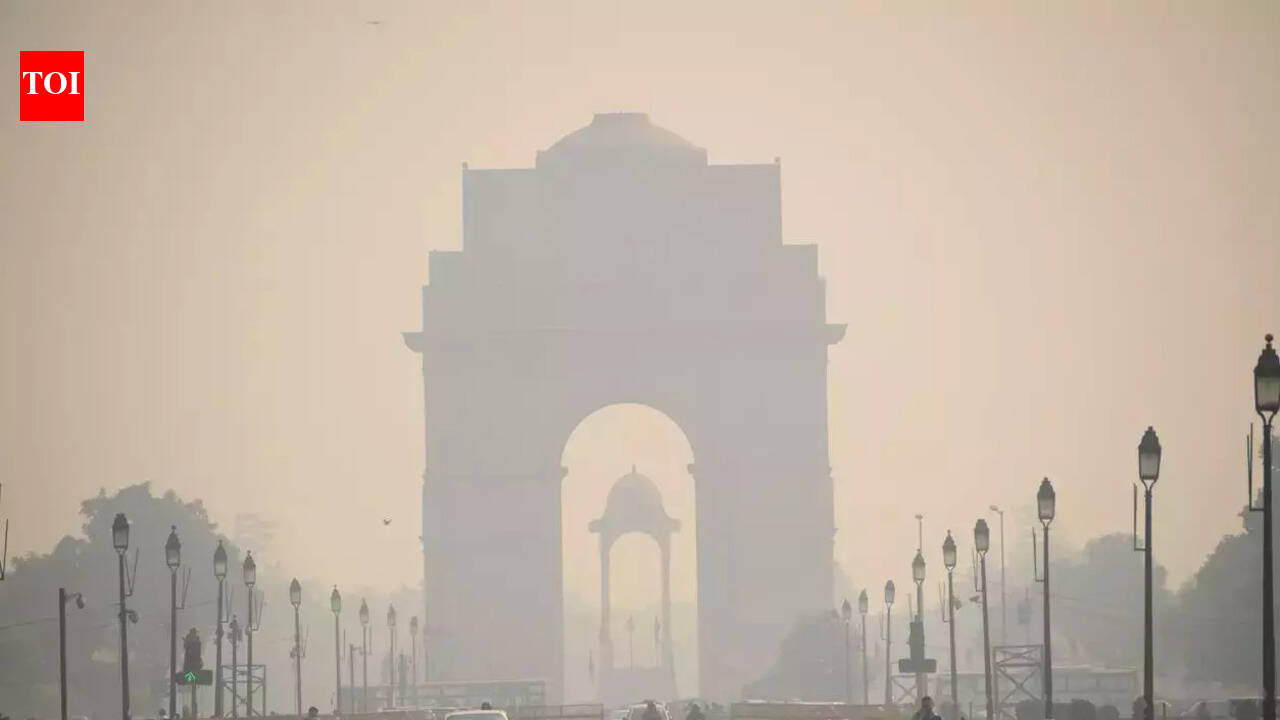
File photo

NEW DELHI: As the Union Budget steps up focus on strengthening mental health infrastructure, a nationwide study has flagged a rise in depression and anxiety linked to long-term exposure to toxic fine particles in the air, underlining how environmental risks are adding to India’s mental health burden.The study was led by researchers from IIT-Delhi, in collaboration with AIIMS New Delhi, NIMHANS and St John’s Medical College, and published in international journal iScience.Analysing data from 34,802 adults across 12 states, including Punjab, UP, Rajasthan and Assam, researchers found sustained exposure to PM2.5 was associated with an 8% higher odds of depression and a 2% increase in anxiety.The analysis is based on clinically diagnosed cases from National Mental Health Survey (2015–16) and is cross-sectional, meaning it establishes association rather than causation. One of the authors, Dr Anand Krishna from the community medicine department at AIIMS, said this distinction was important. However, he noted even modest associations assumed significance because a very large segment of the population was exposed to polluted air.The burden was highest among urban metro residents, people aged 40-49 years, and those from lower-income groups. Regionally, pollution-linked depression showed stronger associations in eastern India, while anxiety was more prominent in the western region. Risks also peaked during the post-monsoon season, when pollution levels typically rise.The study went beyond overall PM2.5 levels to examine individual chemical constituents of air pollution. It found components largely generated by traffic, industry and agricultural activity — including sulphates, nitrates and ammonium — had stronger links with depression. Elemental carbon, a marker of diesel and fossil-fuel combustion, was most strongly associated with anxiety.By identifying pollution components, the researchers said the study helped prioritise emission sources for targeted action, with clear policy relevance at a time when air quality has worsened across many regions.The analysis also covered participants from Gujarat, Manipur, Madhya Pradesh, Chhattisgarh, West Bengal, Jharkhand, Tamil Nadu and Kerala, using advanced satellite data and atmospheric modelling.


Go to Source

Hot this week

‘Will end the war when…’: Iran rejects US proposal, terms it ‘excessive’

Tehran insists any cessation of hostilities must be on its own conditions and timeline, dismissing the US 15-point plan as unacceptable amid conflicting reports on its response and ongoing diplomatic efforts Go to Source Read More

Kenya and China sign zero-tariff deal, but can it fix a $4 billion trade gap?

Kenya and China on March 24 took a step ahead in their efforts to fix a deeply lopsided trade relationship, with top leaders from both countries signing a zero-tariff agreement that could open one of the world’s largest consumer market to Kenya Read More

‘Trump will not dictate end of war’: Iran dismisses US’ 15-point de-escalation proposal, counters with its own 5 demands

Damage in Tehran Iran has rejected a US proposal aimed at ending the ongoing conflict, insisting that any ceasefire will occur only on its own terms and timeline, a senior political-security official told Press TV on Wednesday. Read More

Iran war raises a big question: Does Israel have nuclear weapons?

One of Israel’s goals in the war is to prevent Iran from acquiring nuclear weapons. Read More

8 Early Symptoms Of Eye Stain From Screen Time

Prolonged screentime forces eye muscles to work overtime, leading to eye strain. Identifying these early signs is essential for averting discomfort and maintaining visual health. Read More

Topics

‘Will end the war when…’: Iran rejects US proposal, terms it ‘excessive’

Tehran insists any cessation of hostilities must be on its own conditions and timeline, dismissing the US 15-point plan as unacceptable amid conflicting reports on its response and ongoing diplomatic efforts Go to Source Read More

Kenya and China sign zero-tariff deal, but can it fix a $4 billion trade gap?

Kenya and China on March 24 took a step ahead in their efforts to fix a deeply lopsided trade relationship, with top leaders from both countries signing a zero-tariff agreement that could open one of the world’s largest consumer market to Kenya Read More

‘Trump will not dictate end of war’: Iran dismisses US’ 15-point de-escalation proposal, counters with its own 5 demands

Damage in Tehran Iran has rejected a US proposal aimed at ending the ongoing conflict, insisting that any ceasefire will occur only on its own terms and timeline, a senior political-security official told Press TV on Wednesday. Read More

Iran war raises a big question: Does Israel have nuclear weapons?

One of Israel’s goals in the war is to prevent Iran from acquiring nuclear weapons. Read More

8 Early Symptoms Of Eye Stain From Screen Time

Prolonged screentime forces eye muscles to work overtime, leading to eye strain. Identifying these early signs is essential for averting discomfort and maintaining visual health. Read More

Mustafa on ‘Dhurandhar 2’ being called propaganda: ‘Mahesh/Mukesh ko lete’

‘Dhurandhar: The Revenge’, helmed by Aditya Dhar, has been witnessing a stellar run at the box office ever since its release on March 19. Read More

Australia announces travel ban on Iranian tourists for 6 months amid Middle East tensions

Australia has announced a temporary ban on Iranian tourists, citing concerns over regional instability and the risk that visitors may not be able to return home. Read More

Related Articles