
Wednesday, June 24, 2026
37.8 C
New Delhi

Supreme Court allows first-ever passive euthanasia; how it differs from active euthanasia

Supreme Court allows first-ever passive euthanasia; how it differs from active euthanasia

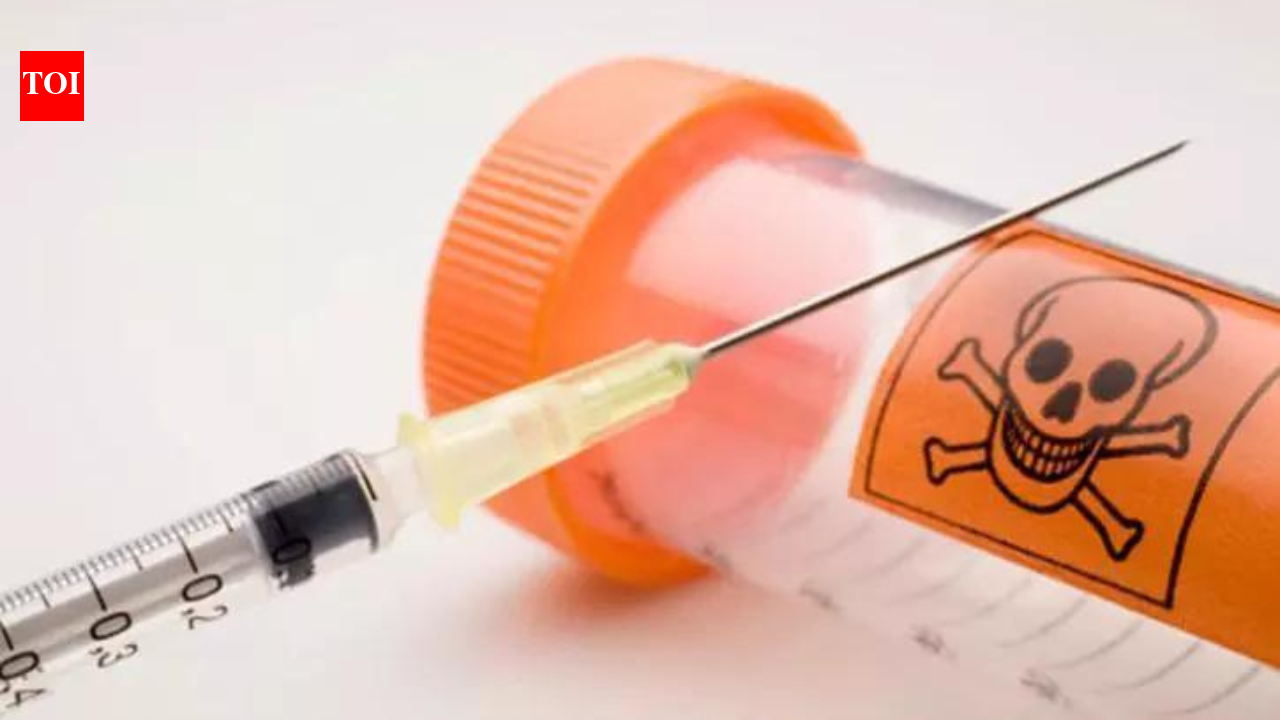
The Supreme Court of India has allowed passive euthanasia in the case of Harish Rana, reviving debate over the ethical and legal distinction between “letting a patient die” and actively ending life.Passive euthanasia typically involves withholding or withdrawing life-sustaining treatment when a patient is terminally ill or has no prospect of recovery. In contrast, active euthanasia involves a deliberate act intended to cause death, such as administering a lethal injection.The issue has long been debated in medicine, law and ethics because both approaches ultimately result in the patient’s death, but differ in how that outcome is brought about.

Israel Iran War

What is passive euthanasia?

Passive euthanasia occurs when doctors do not initiate or discontinue treatment necessary to keep a patient alive.Common examples include switching off life-support machines, disconnecting feeding tubes, not performing life-extending surgeries, or withholding medication that could prolong life.In such cases, death occurs due to the patient’s underlying illness rather than a direct medical intervention.

What is active euthanasia?

Active euthanasia refers to situations where a medical professional or another individual deliberately takes action intended to cause the patient’s death.This could include administering a lethal injection or giving medication specifically designed to end life.While passive euthanasia has been permitted under certain legal frameworks and safeguards in India, active euthanasia remains illegal.

The ethical debate: ‘Killing’ vs ‘letting die’

A key ethical debate centres on whether there is a meaningful moral difference between actively causing death and allowing death to occur.Some doctors and ethicists argue that withholding treatment is acceptable because the physician does not directly cause the patient’s death. Under this view, the illness itself remains the cause.Others challenge that distinction. Philosophers such as James Rachels have argued that stopping treatment is also a deliberate decision that leads to death, according to the BBC. Supporters of this view say the distinction between action and inaction can sometimes be morally unclear. In discussions on ethics, this is often linked to the “acts and omissions” doctrine.Philosopher Simon Blackburn described the idea as: “The doctrine that it makes an ethical difference whether an agent actively intervenes to bring about a result, or omits to act in circumstances in which it is foreseen that as a result of the omission the same result occurs,” according to the Oxford Dictionary of Philosophy.However, critics argue that intention matters when evaluating medical decisions. Research discussed by the National Institutes of Health (US) notes that the intention behind withholding treatment is important in understanding the moral nature of the act.

Why some support active euthanasia

Some philosophers argue that in certain circumstances active euthanasia may cause less suffering than passive euthanasia.For example, if a terminally ill patient is in severe pain and asks for assistance in dying, withdrawing treatment might prolong suffering, while a direct intervention could lead to a quicker death.This argument is often based on the idea that the morally preferable choice is the one that minimises suffering.However, this view remains controversial and is not reflected in the legal framework of many countries, including India.

The legal and medical context

In India, courts have recognised passive euthanasia under strict conditions, including safeguards and medical oversight. Active euthanasia, however, remains prohibited under current law.The Supreme Court’s decision in the Harish Rana case highlights the continuing legal and ethical questions surrounding end-of-life care, particularly the balance between preserving life and respecting a patient’s wishes to avoid prolonged suffering. Go to Source


Hot this week

Bill Gates says Jeffrey Epstein sought to blackmail him over extramarital affairs

Gates made the remarks during closed-door testimony before the House Oversight Committee on June 10 Microsoft co-founder Bill Gates told US lawmakers that late sex offender Jeffrey Epstein appeared to be considering blackmailing him Read More

Premature Grey Hair: Causes, Risk Factors And 4 Effective Prevention Tips

Show Quick Read Key points generated by AI, verified by newsroom Premature greying affects young adults due to melanin loss. Genetics, stress, and nutritional deficiencies are key contributors. Read More

Samantha Ruth Prabhu blushes as she confirms pregnancy

Samantha Ruth Prabhu blushes as she confirms pregnancy at Maa Inti Bangaaram success meet (Image credits: Instagram) Samantha Ruth Prabhu has confirmed that she is expecting her first child and will be taking a maternity break after Read More

Ketan Agrawal murder case: Siya was ‘not mentally ready’ & under family pressure to marry, say cops

Ketan, 26, died after falling into a gorge at Lohagad Fort near Pune on June 18 NEW DELHI: The investigation into the death of Pune businessman Ketan Agarwal continued on Wednesday with the police claiming that his fiancée, Siya Goy Read More

Alia tells Samay about watching IGL on a flight: ‘Not realising Raha’

Alia Bhatt tells Samay Raina she couldn’t stop laughing while watching India’s Got Latent on a flight (Image credits: Instagram) Alia Bhatt recently made a much-talked-about appearance on the first episode of India’s Got Read More

Topics

Bill Gates says Jeffrey Epstein sought to blackmail him over extramarital affairs

Gates made the remarks during closed-door testimony before the House Oversight Committee on June 10 Microsoft co-founder Bill Gates told US lawmakers that late sex offender Jeffrey Epstein appeared to be considering blackmailing him Read More

Premature Grey Hair: Causes, Risk Factors And 4 Effective Prevention Tips

Show Quick Read Key points generated by AI, verified by newsroom Premature greying affects young adults due to melanin loss. Genetics, stress, and nutritional deficiencies are key contributors. Read More

Samantha Ruth Prabhu blushes as she confirms pregnancy

Samantha Ruth Prabhu blushes as she confirms pregnancy at Maa Inti Bangaaram success meet (Image credits: Instagram) Samantha Ruth Prabhu has confirmed that she is expecting her first child and will be taking a maternity break after Read More

Ketan Agrawal murder case: Siya was ‘not mentally ready’ & under family pressure to marry, say cops

Ketan, 26, died after falling into a gorge at Lohagad Fort near Pune on June 18 NEW DELHI: The investigation into the death of Pune businessman Ketan Agarwal continued on Wednesday with the police claiming that his fiancée, Siya Goy Read More

Alia tells Samay about watching IGL on a flight: ‘Not realising Raha’

Alia Bhatt tells Samay Raina she couldn’t stop laughing while watching India’s Got Latent on a flight (Image credits: Instagram) Alia Bhatt recently made a much-talked-about appearance on the first episode of India’s Got Read More

Who is Vinod Doddamani? Indian-origin attorney in US faces $250,000 fine over fraud claims

An Indian-origin immigration attorney based in US is facing a fine of more than $250,000 (Source: Facebook) An Indian-origin immigration attorney based in US is facing a fine of more than $250,000 after federal authorities accused hi Read More

Speaker Birla to decide on TMC, Sena (UBT) defections before Monsoon Session

Speaker Om Birla has already heard representations from both the parent parties and the breakaway groups. Read More

TMC, Shiv Sena Rebels On Edge As Speaker Om Birla Prepares Key Call

Political splits in India have often been marked by public acrimony, allegations of betrayal and prolonged legal battles. Read More

Related Articles