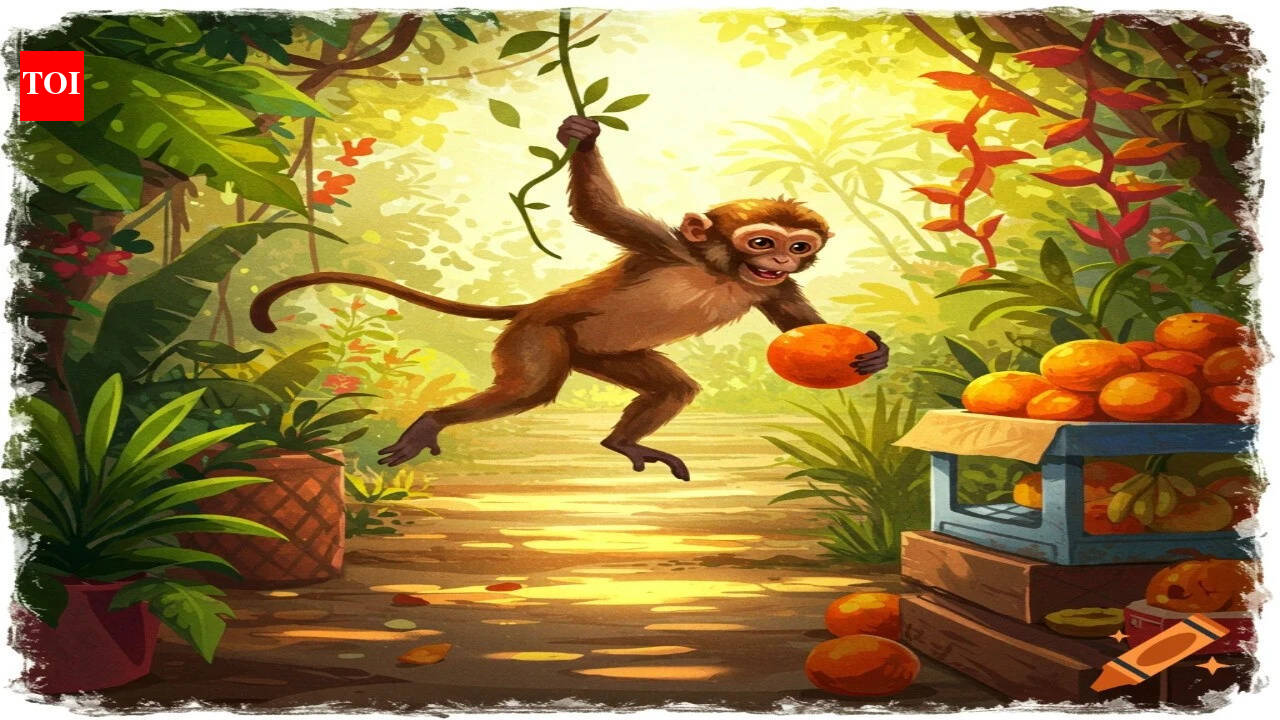


‘The monkey who reaches for every fruit rarely enjoys one’ – A proverb on focus and contentment
The image behind this saying is simple: a monkey moving from branch to branch, trying to grab every fruit it sees, may end up enjoying none fully. In chasing every possibility, it loses the chance to value what is already within reach.The saying is often attributed to the moral storytelling tradition of the Jataka tales, the Buddhist collection of stories about the previous lives of the Buddha, where animals frequently reflect human behaviour and ethical lessons. The proverb’s message reflects the same wisdom found in these stories: desire without restraint can lead to dissatisfaction. The idea also appears in different cultures through similar sayings: the English proverb “A bird in the hand is worth two in the bush” highlights the value of appreciating what is already secured, while the Japanese saying “Hana yori dango” (“dumplings rather than flowers”) suggests choosing real value over appearances. Across these traditions, the lesson remains the same: constantly reaching for more can make people overlook the value of what they already have.The meaning of the proverb goes beyond the monkey and the fruit. The monkey represents a restless mind that is constantly searching, comparing and reaching for the next opportunity. The fruits represent the many choices, desires and distractions people encounter. The lesson is that wanting everything at once can prevent us from truly experiencing anything. The philosophy behind the saying is rooted in the value of focus and mindful choice. Having many opportunities is not always the same as having fulfillment. A person who spreads their energy in too many directions may struggle to develop depth, while someone who chooses carefully can fully appreciate and master what they pursue.In today’s day and age, the proverb has a strong connection with the way people approach success. A professional trying to chase every trend, every skill and every opportunity may end up without a clear direction. A business that constantly changes priorities may lose sight of its main purpose. Even personally, constantly searching for something better can make people overlook the value of what they already have.The saying also reflects a part of human nature: the tendency to confuse more with better. Humans are naturally drawn towards new possibilities, but endless pursuit can create dissatisfaction. Like the monkey reaching for another fruit, people can become so focused on what they lack that they fail to enjoy what they have already gained.Yet the proverb does not argue against ambition or curiosity. Growth often requires exploration. Its lesson is about balance and knowing when to seek new opportunities, and when to commit to the path already chosen.Distraction is a timeless human struggle. The number of choices may change with each generation, but the challenge remains the same: deciding what deserves our attention. Whether in ancient stories or modern life, focus remains one of the foundations of achievement and fulfilment.