



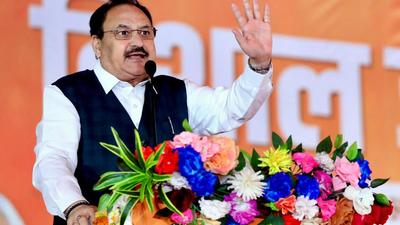
PTI file photo
NEW DELHI: The govt will run a pilot project to link the demand for subsidised fertiliser from farmers to the size of their farmland in order to prevent diversion, minister J P Nadda informed Rajya Sabha on Tuesday. The move is significant given the high use in farming of chemical nutrients, which is also affecting soil health.Replying to a supplementary question by BJP MP Kiran Chaudhry, Nadda said, “We are taking a pilot project where we are trying to see that the land area you (farmers) have and the fertiliser you want to have or are asking for have a link. This has to be taken care of. We are providing subsidised fertiliser to farmers. He (farmer) has the capacity to use 10 bags, but he is taking 50 bags. This has to be taken into consideration to prevent diversion and pilferage.”At present, farmers can buy as many bags of subsidised fertiliser as they want.The minister said attempts are being made to create an impression that there is a shortage of fertiliser, whereas the govt has supplied adequate quantities to all states on time. He added that it is well known that fertiliser is being diverted and dealers are hoarding it.On the crackdown on black marketing, diversion and substandard products, Nadda said that in the past seven months, 5,371 licences of fertiliser firms have been cancelled and 649 FIRs have been registered. Separately, the Fertiliser Association of India (FAI), the apex body of the fertiliser industry, said that the import of soil nutrients—particularly urea—is estimated to jump 41 per cent to 22.3 million tonnes (MT) in 2025–26 due to a surge in domestic demand following good monsoon rains. It said India had imported 14.4 MT of fertiliser during April–Oct, up nearly 69 per cent from 8.6 MT a year earlier.Data show that India imported 136.6 per cent more urea as domestic production dropped 4 per centbetween April and Oct compared to the same period last year. Imports of diammonium phosphate (DAP), the second-most-used fertiliser in the country, rose 69.1 per cent while production fell 7.4 per cent in April–Oct 2025 compared to the same period in 2024.